• “A month has passed, but the work of removing the soil and massive rocks that fell from the mountain at the Kurukulla Temple is still ongoing. It is estimated that this work will continue for several more months. You can see for yourself how huge the rocks are—some of them cannot be removed at all. Therefore, to break these rocks, special experts have been called in, and they are being shattered using controlled explosions. This is a time-consuming process, and lakhs of rupees will be spent like water just on removing the debris of soil and stones. Due to the explosions, the temporary guesthouse building has been completely damaged. Nevertheless, the work continues day and night.”

    #KaulantakPeeth #KulantPeeth #kurukullaTemple #Devitemple #Mandir #OldTemple #SiddhaDharma #HimalayanSiddhas #MahasiddhaTemple #Scrolllink
    “A month has passed, but the work of removing the soil and massive rocks that fell from the mountain at the Kurukulla Temple is still ongoing. It is estimated that this work will continue for several more months. You can see for yourself how huge the rocks are—some of them cannot be removed at all. Therefore, to break these rocks, special experts have been called in, and they are being shattered using controlled explosions. This is a time-consuming process, and lakhs of rupees will be spent like water just on removing the debris of soil and stones. Due to the explosions, the temporary guesthouse building has been completely damaged. Nevertheless, the work continues day and night.” #KaulantakPeeth #KulantPeeth #kurukullaTemple #Devitemple #Mandir #OldTemple #SiddhaDharma #HimalayanSiddhas #MahasiddhaTemple #Scrolllink
    Love
    Like
    Yay
    wow
    Sad
    9
    1 Comments 0 Shares 3K Views 0 Reviews
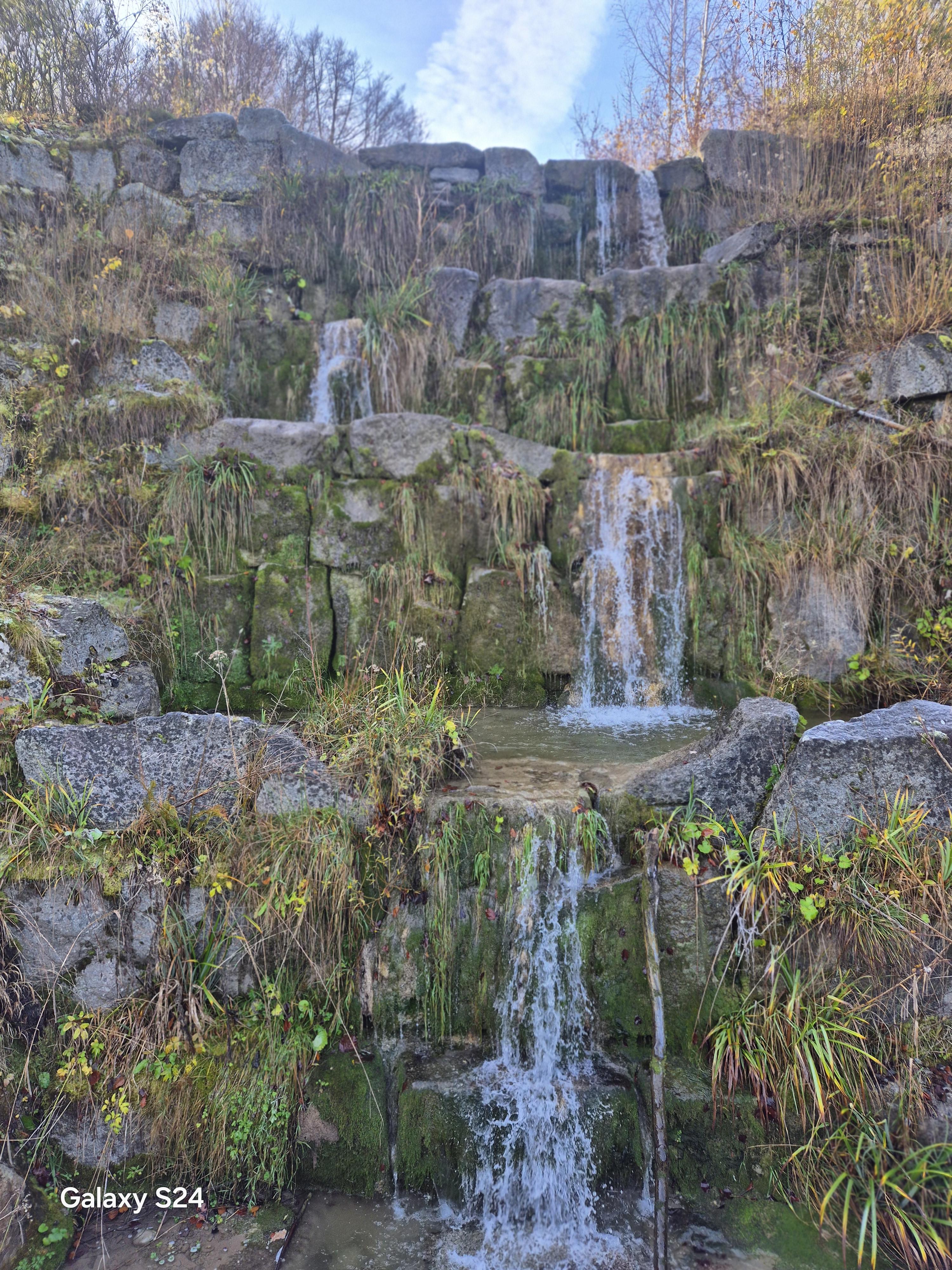
  • Stream (a tributary of water) from the forests below Mountain Pilatus to Lake Lucerne
    Stream (a tributary of water) from the forests below Mountain Pilatus to Lake Lucerne
    Love
    3
    1 Comments 0 Shares 577 Views 4 0 Reviews
  • Stream (a tributary of water ) from the forests below Mountain Pilatus to Lake Lucerne
    Stream (a tributary of water ) from the forests below Mountain Pilatus to Lake Lucerne
    wow
    Love
    3
    0 Comments 0 Shares 565 Views 0 Reviews
  • आपके यहां यह नारियल पानी कितने का मिलता है ??
    उत्तर प्रदेश में ₹60 का मिलता है,

    #scrolllink #coconut #coconutWater #price
    आपके यहां यह नारियल पानी कितने का मिलता है ?? उत्तर प्रदेश में ₹60 का मिलता है, #scrolllink #coconut #coconutWater #price
    Like
    1
    0 Comments 0 Shares 467 Views 0 Reviews
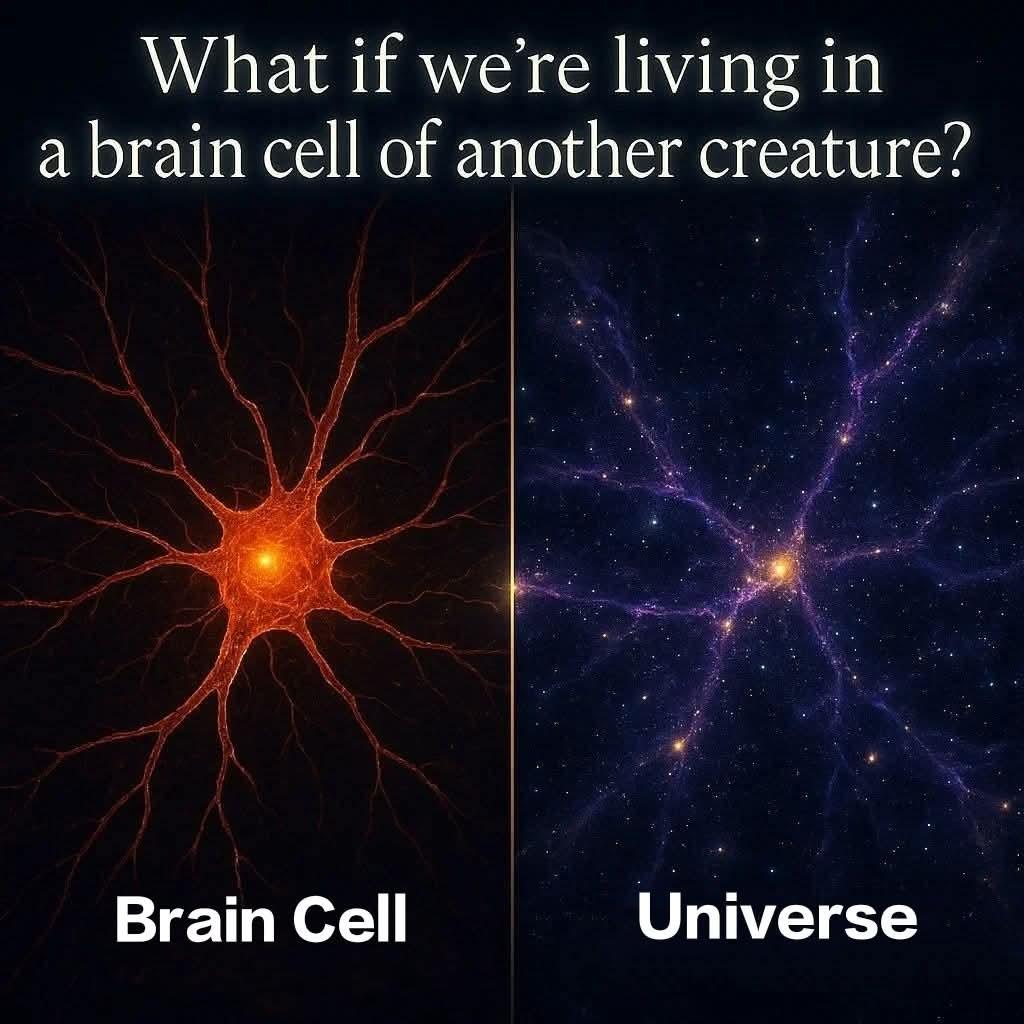
  • It’s mind-blowing to realize that brain cells and the universe share a striking similarity in their network structure. Both are made up of countless nodes — neurons in the brain and galaxies in the universe — connected by delicate filaments. The brain contains around 86 billion neurons, while the universe holds at least 100 billion galaxies, woven together in a vast cosmic web. Yet, despite this visual and structural resemblance, they’re worlds apart in composition and purpose. The universe is dominated by dark energy and dark matter, while the human brain is mostly water. The brain processes information and thought, while the universe’s filaments transfer energy and matter across unimaginable distances. It’s a beautiful reminder that patterns repeat themselves — from the smallest neuron to the grandest galaxy.

    #Universe #SpaceExploration #scrolllink
    🌌🧠 It’s mind-blowing to realize that brain cells and the universe share a striking similarity in their network structure. Both are made up of countless nodes — neurons in the brain and galaxies in the universe — connected by delicate filaments. The brain contains around 86 billion neurons, while the universe holds at least 100 billion galaxies, woven together in a vast cosmic web. Yet, despite this visual and structural resemblance, they’re worlds apart in composition and purpose. The universe is dominated by dark energy and dark matter, while the human brain is mostly water. The brain processes information and thought, while the universe’s filaments transfer energy and matter across unimaginable distances. It’s a beautiful reminder that patterns repeat themselves — from the smallest neuron to the grandest galaxy. #Universe #SpaceExploration #scrolllink
    Like
    Love
    4
    0 Comments 0 Shares 1K Views 0 Reviews
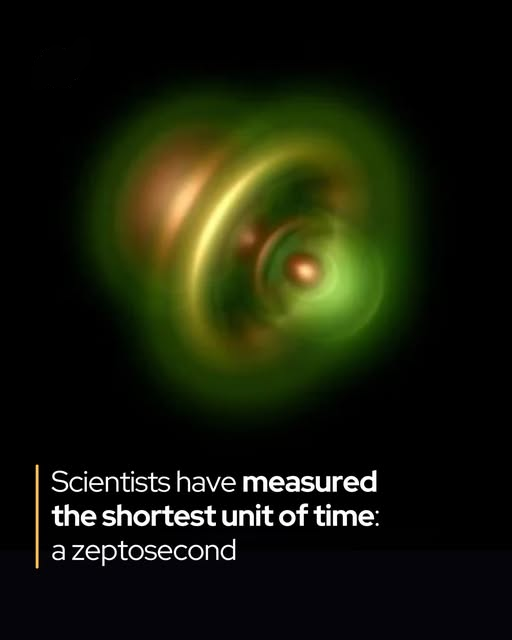
  • Researchers have recorded the briefest interval of time ever measured: 247 zeptoseconds—the duration for a photon of light to traverse a hydrogen molecule.

    That's 0.000000000000000000247 seconds.A zeptosecond equals one trillionth of a billionth of a second, a realm where light, the universe's speed champion, advances mere fractions of an atomic diameter. For scale, a single second contains as many zeptoseconds as there are seconds in 31.7 trillion years—vastly exceeding the age of the cosmos.

    Physicist Reinhard Dörner and colleagues at Goethe University Frankfurt achieved this using intense X-rays from Hamburg's PETRA III accelerator. They aimed at hydrogen molecules—the simplest in existence, comprising two protons and two electrons. An incoming photon struck both electrons in rapid sequence, akin to a stone skipping across water.

    To resolve this fleeting event, the team employed a COLTRIMS reaction microscope, an ultra-precise instrument that tracks particle positions and momenta. By examining the interference patterns from the two expelled electrons, they pinpointed the precise lag between the photon's impact on the first electron and the second.The finding: 247 zeptoseconds.

    This demonstrates that light does not illuminate a molecule instantaneously, even at this tiny scale; the delay stems from light's finite velocity of roughly 186,000 miles per second (300,000 km/s). It represents the first direct observation of light propagating inside a molecule.

    By contrast, chemical reactions unfold over femtoseconds—a thousandfold longer. Zeptosecond precision opens a window into quantum timescales, where electron and photon dynamics govern matter's core behaviors.

    #zeptosecond #chemiclas #quantum #timescale #scrolllink
    Researchers have recorded the briefest interval of time ever measured: 247 zeptoseconds—the duration for a photon of light to traverse a hydrogen molecule. That's 0.000000000000000000247 seconds.A zeptosecond equals one trillionth of a billionth of a second, a realm where light, the universe's speed champion, advances mere fractions of an atomic diameter. For scale, a single second contains as many zeptoseconds as there are seconds in 31.7 trillion years—vastly exceeding the age of the cosmos. Physicist Reinhard Dörner and colleagues at Goethe University Frankfurt achieved this using intense X-rays from Hamburg's PETRA III accelerator. They aimed at hydrogen molecules—the simplest in existence, comprising two protons and two electrons. An incoming photon struck both electrons in rapid sequence, akin to a stone skipping across water. To resolve this fleeting event, the team employed a COLTRIMS reaction microscope, an ultra-precise instrument that tracks particle positions and momenta. By examining the interference patterns from the two expelled electrons, they pinpointed the precise lag between the photon's impact on the first electron and the second.The finding: 247 zeptoseconds. This demonstrates that light does not illuminate a molecule instantaneously, even at this tiny scale; the delay stems from light's finite velocity of roughly 186,000 miles per second (300,000 km/s). It represents the first direct observation of light propagating inside a molecule. By contrast, chemical reactions unfold over femtoseconds—a thousandfold longer. Zeptosecond precision opens a window into quantum timescales, where electron and photon dynamics govern matter's core behaviors. #zeptosecond #chemiclas #quantum #timescale #scrolllink
    0 Comments 0 Shares 2K Views 0 Reviews
  • Agents of clean water.

    #science #biology #microbiology #scrolllink
    Agents of clean water. #science #biology #microbiology #scrolllink
    Like
    Love
    3
    0 Comments 0 Shares 840 Views 0 Reviews
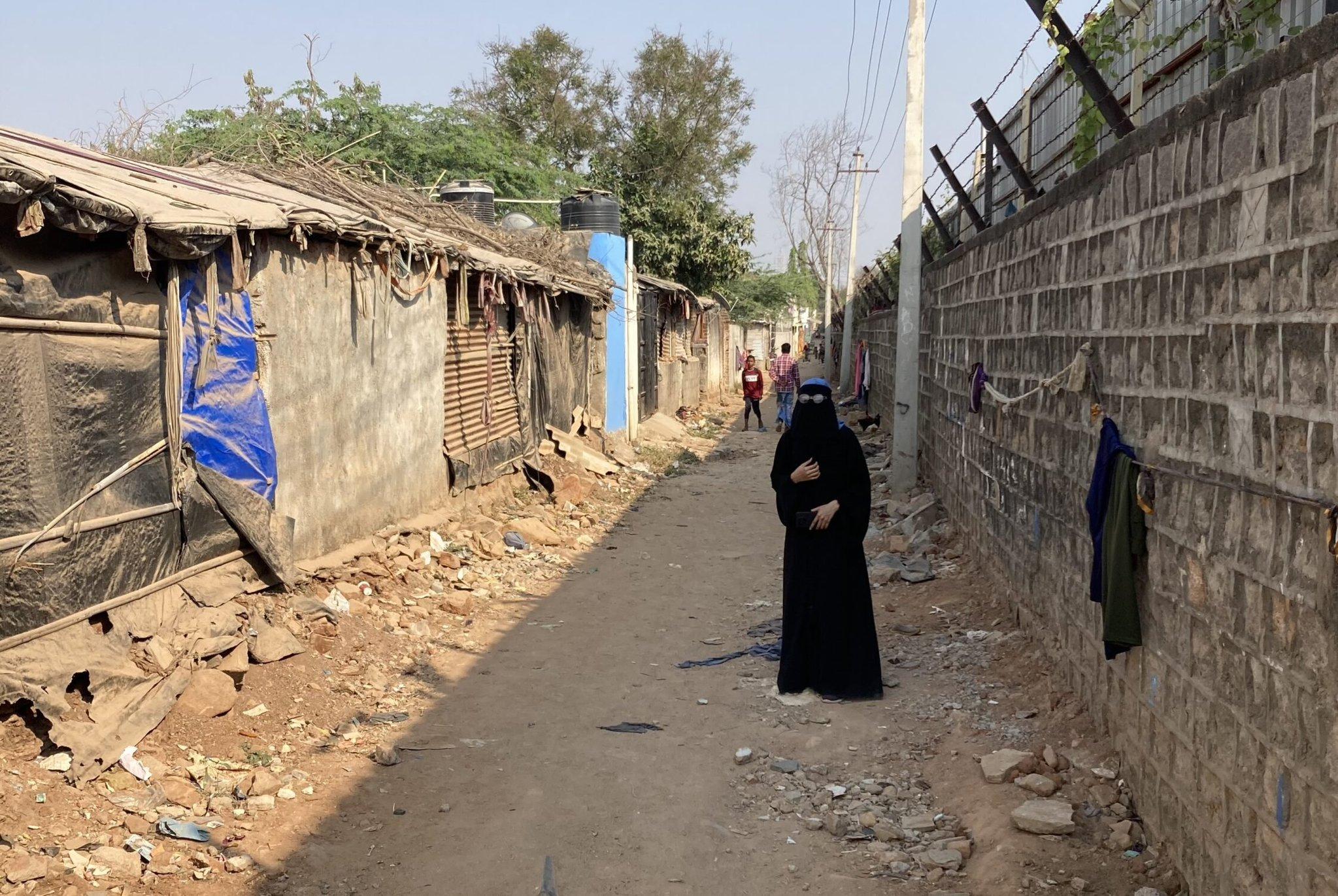
  • BREAKING NEWS J&K Administration cuts off water and electricity supply to illegal Rohingya settlers in Jammu.

    #Rohingya #jammu #electricity #illegal #scrolllink
    BREAKING NEWS 🚨 J&K Administration cuts off water and electricity supply to illegal Rohingya settlers in Jammu. #Rohingya #jammu #electricity #illegal #scrolllink
    Like
    Love
    2
    0 Comments 0 Shares 692 Views 0 Reviews
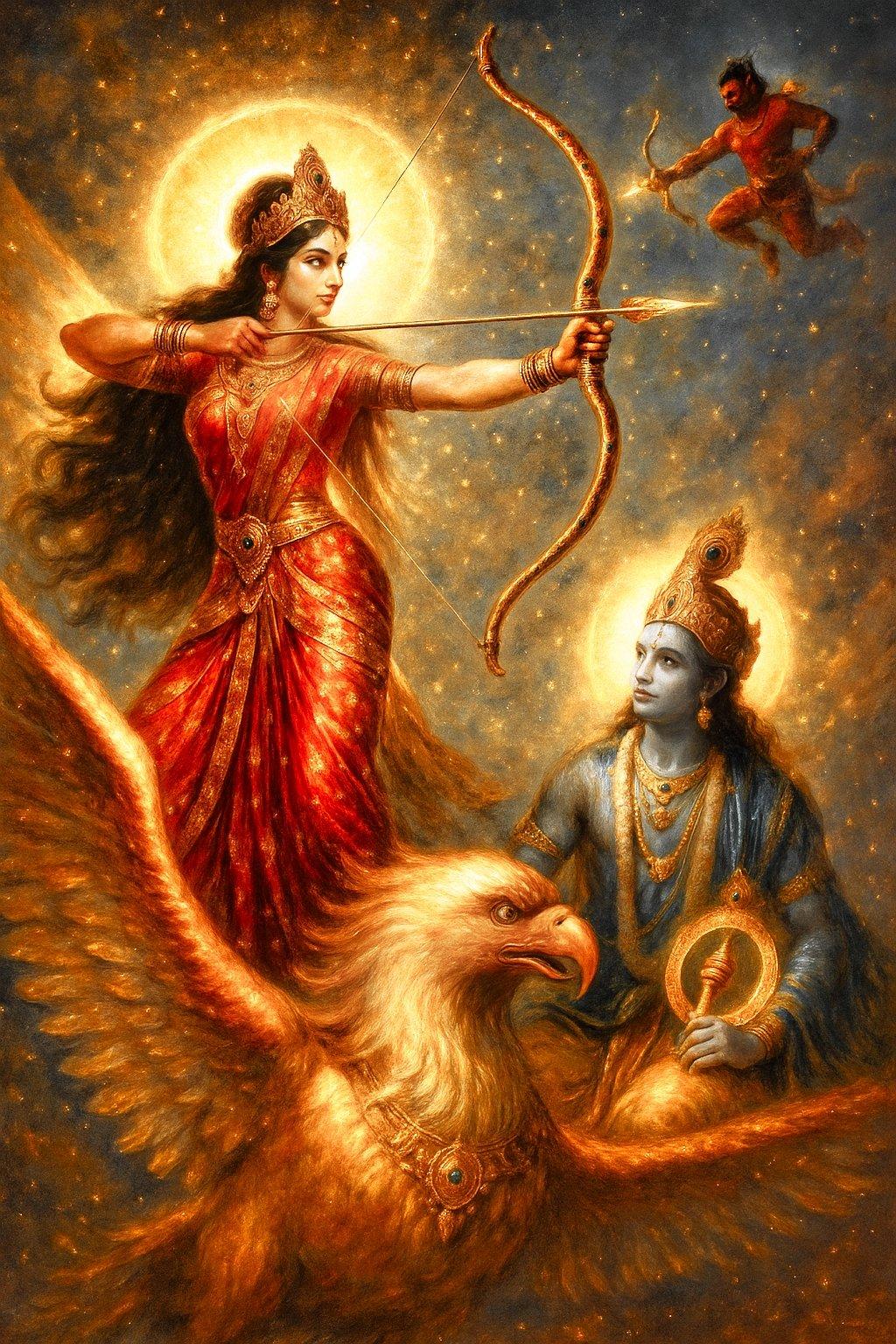
  • The Dawn of Liberation: The Profound Truth of Naraka Chaturdashi

    As the world rests in the pre dawn hush of Chaturdashi, a sacred tremor of anticipation stirs the soul. This is no ordinary darkness. This is the darkness that precedes the brilliant dawn of Diwali, a darkness pregnant with the promise of liberation. This is Naraka Chaturdashi, the day the soul conquers its inner hell.

    The ancient scriptures, the Puranas tell us of the Asura king, Narakasura, a being of immense power but twisted purpose. Born of Mother Earth, Bhudevi, and Varaha Swami, he was destined for greatness. Yet, intoxicated by his own might kidnapped 16,000 princesses, imprisoning them in his fortress. His reign was one of untold suffering, a literal naraka (hell) on Earth.

    But the Leela, is always one of balance. The prayers of the oppressed reached the heavens, and the preserver, Lord Sri Maha Vishnu, in his form as the mighty Sri Krishna, descended to Earth. Mounted on Garuda, with Satyabhama waged a cosmic war against the darkness.

    The Puranas reveal the profound symbolism hidden within this epic battle.

    The Vishnu Purana and the Bhagavata Purana do not merely narrate a historical event, they map the terrain of the human condition. Narakasura is not just an Asura, he is the embodiment of our own arrogance (ahankara), our boundless desires (kama), our attachment (moha), and our ignorance (avidya). The 16,000 princesses represent the countless divine energies and virtues of the soul that we hold captive through our own negative tendencies.

    The killing of Narakasura by the divine couple, Krishna and Satyabhama, signifies the essential partnership of divine grace and our own resolute will (Satyabhama represents the fierce, devoted aspect of the seeker). It teaches us that God's grace is ever ready, but we must actively participate in our own liberation.

    As the Skanda Purana beautifully elucidates, the pre dawn ablution on this day is not just a physical cleansing. It is a sacred ritual of washing away the impurities of the mind and spirit. The act of applying oil and uptan (herbal paste) before the bath is a symbolic gesture of anointing the body, the temple of the soul, preparing it for a profound transformation.

    This is the profound truth of Naraka Chaturdashi:

    Your inner Naraka is not your permanent address. It is a fortress you have the power to breach.

    The darkness of ignorance, the chains of past karmas, the prison of ego, all can be shattered. The lamp that is lit after the holy bath on this day is not just a physical flame. It is the Jnana Jyoti, the lamp of supreme knowledge that dispels the shadows of the soul.

    As the Garuda Purana affirms, observing the vows of this day with sincerity has the power to absolve one of sins and bestow blessings that lead to Moksha, final liberation. It is a day to remember.

    On Naraka Chaturdashi, Lord Krishna manifests not just on a battlefield, but within the heart of every devotee who seeks to conquer their own inner Narakasura.

    So, as you rise in the sacred Brahma Muhurta this Naraka Chaturdashi, let the cool water of your bath be a purity of the spirit. As the first rays of the sun touch the earth, feel the light of consciousness dawn within you.

    For today is not a remembrance of a battle fought long ago. It is a celebration of the victory you are destined to claim, the victory of your eternal, luminous Self over the transient, dark prison of the ego.

    May this Naraka Chaturdashi illuminate the deepest corners of your being and guide you from the darkness of Naraka to the everlasting light of Narayana.

    Om Namo Bhagavate Vasudevaya.🙏🏽

    #narakchaurdashi #chhotidiwali #narakasur #scrolllink
    The Dawn of Liberation: The Profound Truth of Naraka Chaturdashi As the world rests in the pre dawn hush of Chaturdashi, a sacred tremor of anticipation stirs the soul. This is no ordinary darkness. This is the darkness that precedes the brilliant dawn of Diwali, a darkness pregnant with the promise of liberation. This is Naraka Chaturdashi, the day the soul conquers its inner hell. The ancient scriptures, the Puranas tell us of the Asura king, Narakasura, a being of immense power but twisted purpose. Born of Mother Earth, Bhudevi, and Varaha Swami, he was destined for greatness. Yet, intoxicated by his own might kidnapped 16,000 princesses, imprisoning them in his fortress. His reign was one of untold suffering, a literal naraka (hell) on Earth. But the Leela, is always one of balance. The prayers of the oppressed reached the heavens, and the preserver, Lord Sri Maha Vishnu, in his form as the mighty Sri Krishna, descended to Earth. Mounted on Garuda, with Satyabhama waged a cosmic war against the darkness. The Puranas reveal the profound symbolism hidden within this epic battle. The Vishnu Purana and the Bhagavata Purana do not merely narrate a historical event, they map the terrain of the human condition. Narakasura is not just an Asura, he is the embodiment of our own arrogance (ahankara), our boundless desires (kama), our attachment (moha), and our ignorance (avidya). The 16,000 princesses represent the countless divine energies and virtues of the soul that we hold captive through our own negative tendencies. The killing of Narakasura by the divine couple, Krishna and Satyabhama, signifies the essential partnership of divine grace and our own resolute will (Satyabhama represents the fierce, devoted aspect of the seeker). It teaches us that God's grace is ever ready, but we must actively participate in our own liberation. As the Skanda Purana beautifully elucidates, the pre dawn ablution on this day is not just a physical cleansing. It is a sacred ritual of washing away the impurities of the mind and spirit. The act of applying oil and uptan (herbal paste) before the bath is a symbolic gesture of anointing the body, the temple of the soul, preparing it for a profound transformation. This is the profound truth of Naraka Chaturdashi: Your inner Naraka is not your permanent address. It is a fortress you have the power to breach. The darkness of ignorance, the chains of past karmas, the prison of ego, all can be shattered. The lamp that is lit after the holy bath on this day is not just a physical flame. It is the Jnana Jyoti, the lamp of supreme knowledge that dispels the shadows of the soul. As the Garuda Purana affirms, observing the vows of this day with sincerity has the power to absolve one of sins and bestow blessings that lead to Moksha, final liberation. It is a day to remember. On Naraka Chaturdashi, Lord Krishna manifests not just on a battlefield, but within the heart of every devotee who seeks to conquer their own inner Narakasura. So, as you rise in the sacred Brahma Muhurta this Naraka Chaturdashi, let the cool water of your bath be a purity of the spirit. As the first rays of the sun touch the earth, feel the light of consciousness dawn within you. For today is not a remembrance of a battle fought long ago. It is a celebration of the victory you are destined to claim, the victory of your eternal, luminous Self over the transient, dark prison of the ego. May this Naraka Chaturdashi illuminate the deepest corners of your being and guide you from the darkness of Naraka to the everlasting light of Narayana. Om Namo Bhagavate Vasudevaya.✨🙏🏽 #narakchaurdashi #chhotidiwali #narakasur #scrolllink

    Love
    2
    0 Comments 0 Shares 3K Views 0 Reviews
  • International Kaulantak Siddha Vidya Peeth (IKSVP) presents the sacred glimpses of the recent course on Devabhisheka, an important part of Dev Sadhana in the Himalayan Siddha tradition. This sacred two-day ritual, conducted by IKSVP, was a profound spiritual event for all Bhairavs and Bhairavis.
    Day 1 began with Kaulantak Peethadishwar Ishaputra gracing the gathering, addressing and explaining the meaning and significance of Devabhisheka. A grand Saptsindhu chakra was crafted in the soil, followed by a yagya, invoking divine energies.
    Day 2 saw a serene atmosphere with everyone dressed in white. The Devabhisheka was bestowed by Kaulantak Peethadishwar upon the Bhairavs and Bhairavis, who carried a symbolic sword as an astra. The sacred waters, part of the Tirthan river, were icy cold, yet people’s spirits remained high, and everyone participated with devotion. By dusk, another powerful yagya took place, concluding with the pooja of 64 yoginis, marking the completion of this divine event.
    We are sharing with you these glimpses, so you can witness the energy of this sacred ceremony. If you wish to experience the spiritual depth of such traditions, you are welcome to join the regular courses offered by IKSVP, both online and offline.
    Om Shri Kulant Nathaay Namah.
    Om Shri Kulant Peethaay Namah.
    Om Sam Siddhaay Namah.
    Om Shri Gurumandalaay Namah.
    Om Shri MahaHimalayaay NAmah.
    Om Shri Swachchanda Bhairavaay Namah.
    Om Shri Kulle Kurukulle Namah.

    #Devabhisheka #Siddhas #abhisheka #ishaputra #MahasiddhaIshaputra #Kulantpeeth #Kurukulla #kurukullaTemple #IKSVP #DevaDharma #DeshajParampara #Healing #IKSVP #Spirituality #AncientWisdom #GoddessKurukulla #Saptrishis #Mysticism #KaulantakPeeth #Ishaputra #DivineBlessings #Mahasiddha #KaulantakSiddhaVidyaPeeth
    International Kaulantak Siddha Vidya Peeth (IKSVP) presents the sacred glimpses of the recent course on Devabhisheka, an important part of Dev Sadhana in the Himalayan Siddha tradition. This sacred two-day ritual, conducted by IKSVP, was a profound spiritual event for all Bhairavs and Bhairavis. Day 1 began with Kaulantak Peethadishwar Ishaputra gracing the gathering, addressing and explaining the meaning and significance of Devabhisheka. A grand Saptsindhu chakra was crafted in the soil, followed by a yagya, invoking divine energies. Day 2 saw a serene atmosphere with everyone dressed in white. The Devabhisheka was bestowed by Kaulantak Peethadishwar upon the Bhairavs and Bhairavis, who carried a symbolic sword as an astra. The sacred waters, part of the Tirthan river, were icy cold, yet people’s spirits remained high, and everyone participated with devotion. By dusk, another powerful yagya took place, concluding with the pooja of 64 yoginis, marking the completion of this divine event. We are sharing with you these glimpses, so you can witness the energy of this sacred ceremony. If you wish to experience the spiritual depth of such traditions, you are welcome to join the regular courses offered by IKSVP, both online and offline. Om Shri Kulant Nathaay Namah. Om Shri Kulant Peethaay Namah. Om Sam Siddhaay Namah. Om Shri Gurumandalaay Namah. Om Shri MahaHimalayaay NAmah. Om Shri Swachchanda Bhairavaay Namah. Om Shri Kulle Kurukulle Namah. #Devabhisheka #Siddhas #abhisheka #ishaputra #MahasiddhaIshaputra #Kulantpeeth #Kurukulla #kurukullaTemple #IKSVP #DevaDharma #DeshajParampara #Healing #IKSVP #Spirituality #AncientWisdom #GoddessKurukulla #Saptrishis #Mysticism #KaulantakPeeth #Ishaputra #DivineBlessings #Mahasiddha #KaulantakSiddhaVidyaPeeth
    Love
    wow
    4
    0 Comments 0 Shares 4K Views 0 Reviews
  • Rani Ki Vav at Patan, Gujarat also known as Queen's Stepwell
    Rani Ki Vav, Patan
    Queen's Stepwell, A UNESCO World Heritage Site

    Patan is a district in the state of Gujarat, located at 125kms distance from Ahmedabad. Patan was once the capital of the state in historic times located on the banks of the (lost) Saraswati River. Nestled in the hustle and bustle of the city Patan, lies an “Architectural Wonder” – Rani Ki Vav. It is also known as “Rani Ni Vav” in Gujarati local dialect. This is a 7 storeyed Magnificent Stepwell, which is built using scientific principles for storing water.

    Back in 11th century, Udaymati, Queen of the King Bhimadev I from Solanki(Chalukya) Dynasty, expressed her desire to build a stepwell. This stepwell, she ordered to build is in the memory of her beloved husband.

    Rani ki Vav is one of the UNESCO World Heritage sites in India.
    The new ₹100 rupee currency note has a picture of this stepwell.

    Let’s have a visual tour of Stepwell
    As you walk towards this site, it doesn’t appeal very much. Just a compound wall and some—Well Kept—landscaping work is done around it. The more you approach it, the more it starts appealing. When you reach the main entrance, the Jaw-Dropping view absorbs you in it. Perspective steps going deep down towards the well-shaft are accompanied by intricately carved idols of gods and goddesses. Each idol is as magnificent as if they are living things. The far end is of this stepwell—which is a well-shaft—is not even clearly visible from the first step.

    Constructional Aspects

    Rani ki Vav was constructed as a religious as well as a functional structure. The expanse of this stepwell is roughly 1610 sq.m. and 70m length from the base of Toran—Sacred Gateway—to the inner edge of well-shaft. Its 23m in width and 28m in depth. Rani Ki Vav is constructed like an inverted temple highlighting the sanctity of water. It is built on the East-West axis, “Step-Corridor” being in the east and “Well” on the west.

    Ceremonial Entrance (Toran Dwaar)
    The first architectural object you see as you step down, is the remains of a pillar base. This evidently confirms the presence of Toran Dwaar – A Ceremonial Entrance. In 19th century, a survey was conducted for Rani Ki Vav. James Burgess and Henry Cousens were two archeologists who had mentioned about these pillars in the survey.

    The Toran was comprised of 2 freely standing pillars, which were connected by an ornate arch at their upper sections. Towards the west side from this entrance, downward leading steps make a way to the edge of the well.

    Ceremonial Entrance (Toran Dwaar)Ceremonial Entrance (Toran Dwaar)
    Architecture and Decorative Work
    Rani ki vav is a seven storeyed and inverted temple like structure. It has 4 pavilions downwards from east to west and then lastly a Well Shaft. Below is a picture taken from first pavellion. You can see other 3 Pavilions as well. Rani ki Vav is a Maru-Gurjara style architecture. A style of “temple architecure” which is originated from the Gujarat & Rajasthan in historic times.

    All the 7 levels were open for public and tourists were able to go down to the well. Then there was a powerful earthquake in Bhuj which rocked the state of Gujarat in 2001. After this earchquake, out of 7 levels, only 4 levels are left open for public to ensure the safety & security.

    There is a great diversity of themes:
    Divine Figures: Devi or Goddess, Brahma, Vishnu, Shiva, Ganesha in their respective incarnations and form

    Sacred & Mythical Representation Figures: Dikpalas, Sacred flora and fauna, Apsara, Nagkanya, Vasus and scenes from epics
    Reflection of Contemporary Society
    Buddha, Kalki and Mahishasurmardini sculptureFrom left Buddha, Kalki and Mahishasurmardini Sculpture
    Mahishasurmardini is one of the forms of a goddess “Durga” who is killing a demon called Mahishasur.

    MahishasurmardiniMahishasurmardini
    Sculptures in Rani ki Vav are displayed in a pattern, where main deities are displayed in niches. These main deities are flanked by semi divine figures like Apsaras, Nagkanya, Dikpalas and Yogini.&
    Sheshshayi Vishnu Sculpture

    During medieval times in Gujarat, there was a tradition of installing “A Sheshshayi Vishnu” sculpture inside the Stepwell, Kunda or Temples. Which you can see in Modhera Sun Temple as well. Sheshshayi Vishnu is represented in 3 successive niches in 3 levels on the rear wall of the Well Shaft. One between the first and second pavillion on the niche of the north wall.

    In addition to this, out of 24 forms of the lord Vishnu, following forms are present in Rani ki Vav:

    Keshava, Narayana, Govinda, Vishnu, Trivikrama, Vamana, Sridhara, Padmanabha, Damodar, Samkarsana, Aniruddha, Purusottama, Narsimha, Hari. Moreover 10 famous incarnations are also represented. But among those 10 incarnations; Varah, Narsimha, Vaman, Parshuram, Ram, Balram, Buddha and Kalki (future incarnation at the end of Kaliyug) are clearly identified in Rani ki Vav. Buddha is shown as an incarnation of the lord Vishnu here.

    A Bhairav—fierce form of the lord Shiv—is represented in a dancing pose here. If you take a closer look down on his right side, the dog is snatching a piece from the decapitated corpse. Licking the blood oozing from the freshly cut head that Bhairava is holding in his hand.

    Vishnu On Left and Bhairav on rightVishnu On the Left and Bhairav on the Right
    Brahma, Mahesh & Vishnu With Their Consort
    When you reach near the well (at 4th pavillion) you can see the panel of “Brahma, Mahesh & Vishnu with Their Consort”. The Top left side of front wall is decorated with the idols of Tridev(Ttriple deity of Supreme Divinity in Hinduism). Their Vahan is also present near each of them, Swan, Bull and Garuda respectively.

    Front wall sculptures from bottom levelFront wall sculptures at base level
    Brahma Mahesh and Vishnu with their consortsBrahma Mahesh & Vishnu With Their Consort

    On the Top-Right side of the front wall, you can see Ganesh with his Consort and then Maha-Lakshmi and Kuber idols are also present. These three are considered as Gods of Luck.

    Other Sculptures in Rani ki Vav

    Dikpals (Guardians of Eight Directions) also appear on the walls of Rani ki Vav.

    8 Vasus are present on the walls with human body and Cow head in folded hands (Namaskar position).

    Nav graha are represented in a complete set, over Sheshshayi Vishnu on the Well Shaft. Sun (Surya), Moon (Chandra), Mercury (Budha also known as Grahpati), Venus (Shukra), Mars (Mangal), Jupiter (Brihaspati), Saturn (Shani), Rahu and Ketu constitute Nine Planets called Nav Graha.
    Dikpal - Guardian of directionDikpal – Guardian of A Direction

    A Marble sculpture of 48cm height was recovered while de-silting in 1987-88. This sculpture has an inscription in devnagari(indian script) “Maharajani Shri Udayamati”. Due to time constraints, we did not get a chance to see this sculpture. Hence, have no idea where it is kept (May be in museum).

    Rani Ki Vav is built using burnt bricks, lime mortar, and locally available “Dhrangadhra” stone. Larger blocks of stones were joined by Rosewood Dowels and placed on the ground, forming the floor of the steps and terraces.

    Interlocking system with woodInterlocking System With Wood

    A small glass plate was attached at several places where cracks are visible. These cracks were developed after Bhuj’s Earthquake. Upon asking about the purpose of these glass plates, our guide told us they are attached to keep the track of changes in such sections. When the stress on such sections will be increased, these glass plates will break and give an indication for safety.

    #thehinduheritage #CulturalHeritage
    #thehindugodsandgoddesses #scrolllink #bharat
    Rani Ki Vav at Patan, Gujarat also known as Queen's Stepwell Rani Ki Vav, Patan Queen's Stepwell, A UNESCO World Heritage Site Patan is a district in the state of Gujarat, located at 125kms distance from Ahmedabad. Patan was once the capital of the state in historic times located on the banks of the (lost) Saraswati River. Nestled in the hustle and bustle of the city Patan, lies an “Architectural Wonder” – Rani Ki Vav. It is also known as “Rani Ni Vav” in Gujarati local dialect. This is a 7 storeyed Magnificent Stepwell, which is built using scientific principles for storing water. Back in 11th century, Udaymati, Queen of the King Bhimadev I from Solanki(Chalukya) Dynasty, expressed her desire to build a stepwell. This stepwell, she ordered to build is in the memory of her beloved husband. Rani ki Vav is one of the UNESCO World Heritage sites in India. The new ₹100 rupee currency note has a picture of this stepwell. Let’s have a visual tour of Stepwell As you walk towards this site, it doesn’t appeal very much. Just a compound wall and some—Well Kept—landscaping work is done around it. The more you approach it, the more it starts appealing. When you reach the main entrance, the Jaw-Dropping view absorbs you in it. Perspective steps going deep down towards the well-shaft are accompanied by intricately carved idols of gods and goddesses. Each idol is as magnificent as if they are living things. The far end is of this stepwell—which is a well-shaft—is not even clearly visible from the first step. Constructional Aspects Rani ki Vav was constructed as a religious as well as a functional structure. The expanse of this stepwell is roughly 1610 sq.m. and 70m length from the base of Toran—Sacred Gateway—to the inner edge of well-shaft. Its 23m in width and 28m in depth. Rani Ki Vav is constructed like an inverted temple highlighting the sanctity of water. It is built on the East-West axis, “Step-Corridor” being in the east and “Well” on the west. Ceremonial Entrance (Toran Dwaar) The first architectural object you see as you step down, is the remains of a pillar base. This evidently confirms the presence of Toran Dwaar – A Ceremonial Entrance. In 19th century, a survey was conducted for Rani Ki Vav. James Burgess and Henry Cousens were two archeologists who had mentioned about these pillars in the survey. The Toran was comprised of 2 freely standing pillars, which were connected by an ornate arch at their upper sections. Towards the west side from this entrance, downward leading steps make a way to the edge of the well. Ceremonial Entrance (Toran Dwaar)Ceremonial Entrance (Toran Dwaar) Architecture and Decorative Work Rani ki vav is a seven storeyed and inverted temple like structure. It has 4 pavilions downwards from east to west and then lastly a Well Shaft. Below is a picture taken from first pavellion. You can see other 3 Pavilions as well. Rani ki Vav is a Maru-Gurjara style architecture. A style of “temple architecure” which is originated from the Gujarat & Rajasthan in historic times. All the 7 levels were open for public and tourists were able to go down to the well. Then there was a powerful earthquake in Bhuj which rocked the state of Gujarat in 2001. After this earchquake, out of 7 levels, only 4 levels are left open for public to ensure the safety & security. There is a great diversity of themes: Divine Figures: Devi or Goddess, Brahma, Vishnu, Shiva, Ganesha in their respective incarnations and form Sacred & Mythical Representation Figures: Dikpalas, Sacred flora and fauna, Apsara, Nagkanya, Vasus and scenes from epics Reflection of Contemporary Society Buddha, Kalki and Mahishasurmardini sculptureFrom left Buddha, Kalki and Mahishasurmardini Sculpture Mahishasurmardini is one of the forms of a goddess “Durga” who is killing a demon called Mahishasur. MahishasurmardiniMahishasurmardini Sculptures in Rani ki Vav are displayed in a pattern, where main deities are displayed in niches. These main deities are flanked by semi divine figures like Apsaras, Nagkanya, Dikpalas and Yogini.& Sheshshayi Vishnu Sculpture During medieval times in Gujarat, there was a tradition of installing “A Sheshshayi Vishnu” sculpture inside the Stepwell, Kunda or Temples. Which you can see in Modhera Sun Temple as well. Sheshshayi Vishnu is represented in 3 successive niches in 3 levels on the rear wall of the Well Shaft. One between the first and second pavillion on the niche of the north wall. In addition to this, out of 24 forms of the lord Vishnu, following forms are present in Rani ki Vav: Keshava, Narayana, Govinda, Vishnu, Trivikrama, Vamana, Sridhara, Padmanabha, Damodar, Samkarsana, Aniruddha, Purusottama, Narsimha, Hari. Moreover 10 famous incarnations are also represented. But among those 10 incarnations; Varah, Narsimha, Vaman, Parshuram, Ram, Balram, Buddha and Kalki (future incarnation at the end of Kaliyug) are clearly identified in Rani ki Vav. Buddha is shown as an incarnation of the lord Vishnu here. A Bhairav—fierce form of the lord Shiv—is represented in a dancing pose here. If you take a closer look down on his right side, the dog is snatching a piece from the decapitated corpse. Licking the blood oozing from the freshly cut head that Bhairava is holding in his hand. Vishnu On Left and Bhairav on rightVishnu On the Left and Bhairav on the Right Brahma, Mahesh & Vishnu With Their Consort When you reach near the well (at 4th pavillion) you can see the panel of “Brahma, Mahesh & Vishnu with Their Consort”. The Top left side of front wall is decorated with the idols of Tridev(Ttriple deity of Supreme Divinity in Hinduism). Their Vahan is also present near each of them, Swan, Bull and Garuda respectively. Front wall sculptures from bottom levelFront wall sculptures at base level Brahma Mahesh and Vishnu with their consortsBrahma Mahesh & Vishnu With Their Consort On the Top-Right side of the front wall, you can see Ganesh with his Consort and then Maha-Lakshmi and Kuber idols are also present. These three are considered as Gods of Luck. Other Sculptures in Rani ki Vav Dikpals (Guardians of Eight Directions) also appear on the walls of Rani ki Vav. 8 Vasus are present on the walls with human body and Cow head in folded hands (Namaskar position). Nav graha are represented in a complete set, over Sheshshayi Vishnu on the Well Shaft. Sun (Surya), Moon (Chandra), Mercury (Budha also known as Grahpati), Venus (Shukra), Mars (Mangal), Jupiter (Brihaspati), Saturn (Shani), Rahu and Ketu constitute Nine Planets called Nav Graha. Dikpal - Guardian of directionDikpal – Guardian of A Direction A Marble sculpture of 48cm height was recovered while de-silting in 1987-88. This sculpture has an inscription in devnagari(indian script) “Maharajani Shri Udayamati”. Due to time constraints, we did not get a chance to see this sculpture. Hence, have no idea where it is kept (May be in museum). Rani Ki Vav is built using burnt bricks, lime mortar, and locally available “Dhrangadhra” stone. Larger blocks of stones were joined by Rosewood Dowels and placed on the ground, forming the floor of the steps and terraces. Interlocking system with woodInterlocking System With Wood A small glass plate was attached at several places where cracks are visible. These cracks were developed after Bhuj’s Earthquake. Upon asking about the purpose of these glass plates, our guide told us they are attached to keep the track of changes in such sections. When the stress on such sections will be increased, these glass plates will break and give an indication for safety. #thehinduheritage #CulturalHeritage #thehindugodsandgoddesses #scrolllink #bharat
    Like
    Love
    5
    0 Comments 0 Shares 4K Views 0 Reviews
  • Karva Chauth is a traditional Hindu festival celebrated by married women in India. On this day, wives observe a day-long fast from sunrise to moonrise for the long life, prosperity, and well-being of their husbands. Women dress beautifully in festive attire, apply mehndi (henna) on their hands, and gather together to listen to the Karva Chauth Katha (story). In the evening, after sighting the moon through a sieve, they offer prayers and then break their fast after their husbands offer them water and the first bite of food. The festival symbolizes love, devotion, and the sacred bond between husband and wife.

    #karvachauth2025 #karvachauth #hindu #sanatan #siddhadharma #jaishreeram #jaikalki #jaisambhalasamrajya #scrolllink
    Karva Chauth is a traditional Hindu festival celebrated by married women in India. On this day, wives observe a day-long fast from sunrise to moonrise for the long life, prosperity, and well-being of their husbands. Women dress beautifully in festive attire, apply mehndi (henna) on their hands, and gather together to listen to the Karva Chauth Katha (story). In the evening, after sighting the moon through a sieve, they offer prayers and then break their fast after their husbands offer them water and the first bite of food. The festival symbolizes love, devotion, and the sacred bond between husband and wife. #karvachauth2025 #karvachauth #hindu #sanatan #siddhadharma #jaishreeram #jaikalki #jaisambhalasamrajya #scrolllink
    Love
    5
    0 Comments 0 Shares 2K Views 0 Reviews
More Results