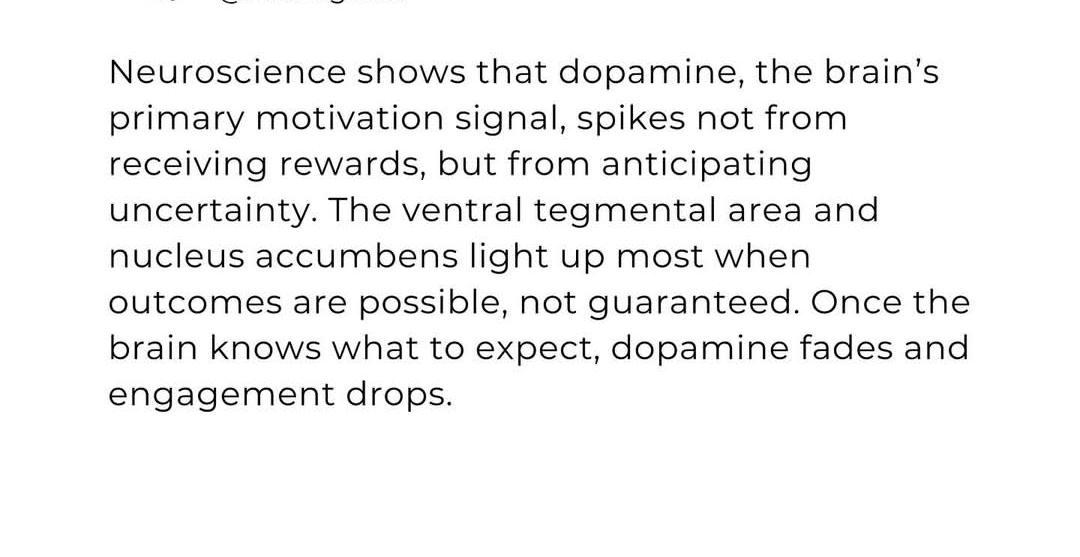
• Predictability kills motivation

    #science #neurology #neuroscience #quantum #scrolllink
    Predictability kills motivation #science #neurology #neuroscience #quantum #scrolllink
    Like
    Love
    3
    0 Comentários 0 Compartilhamentos 402 Visualizações 0 Anterior
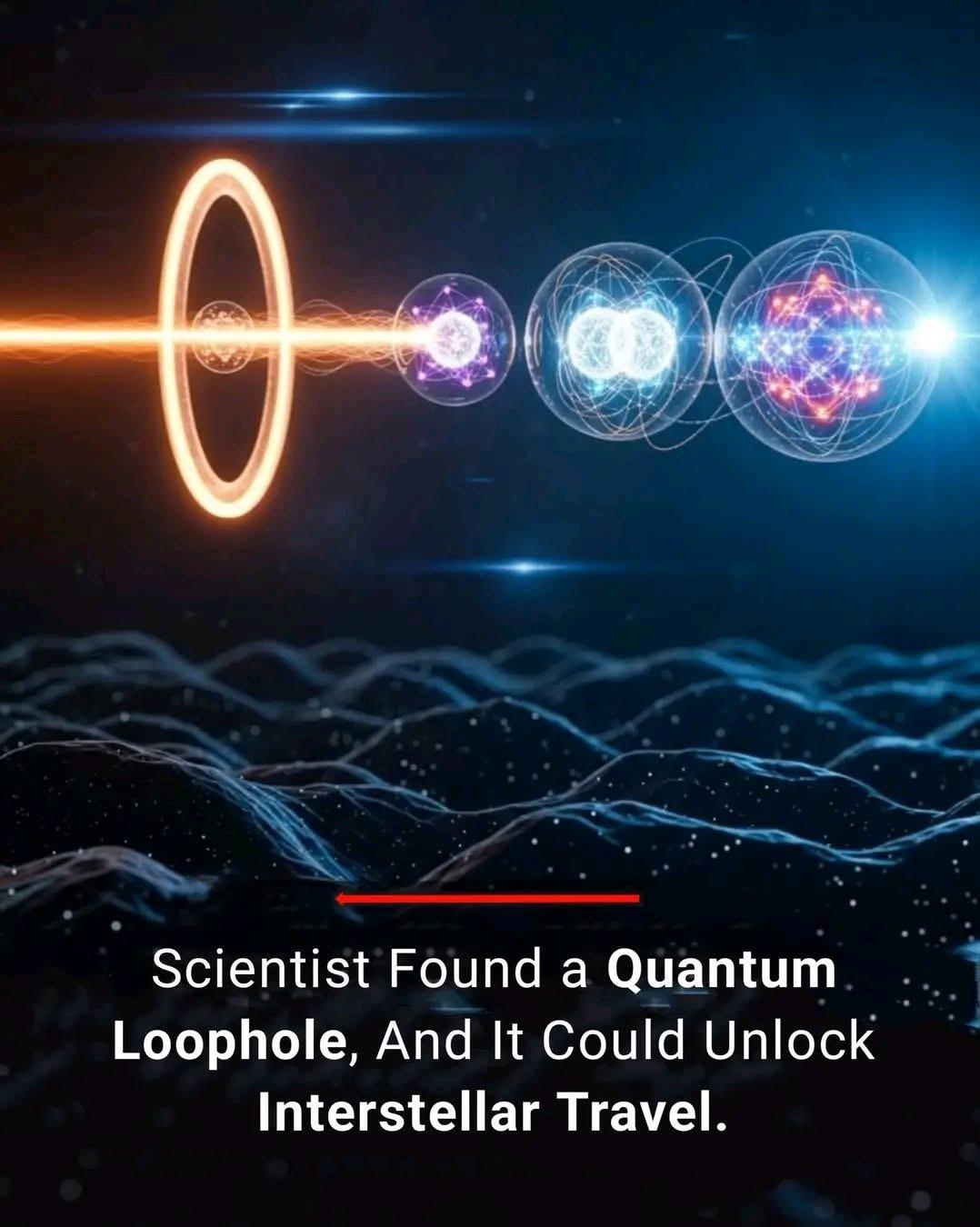
  • #quantumphysics #science #paradox #scrolllink
    #quantumphysics #science #paradox #scrolllink
    Like
    2
    0 Comentários 0 Compartilhamentos 313 Visualizações 0 Anterior
  • EPF ट्रांसफर अब ऑटोमैटिक होगा, नौकरी बदलते ही PF बैलेंस 2-3 दिन में नए अकाउंट में आएगा

    ◆ पुराना तरीका महीनों तक फॉर्म और वेरिफिकेशन में लगता था, अब पूरी प्रक्रिया डिजिटल और फास्ट होगी

    ◆ अब UAN एक्टिव और आधार लिंक करने पर 3-5 दिन में PF बैलेंस नए अकाउंट में ट्रांसफर हो जाएगा

    #EPFTransfer #scrolllink #UAN #PFBalance #DigitalIndia
    EPF ट्रांसफर अब ऑटोमैटिक होगा, नौकरी बदलते ही PF बैलेंस 2-3 दिन में नए अकाउंट में आएगा ◆ पुराना तरीका महीनों तक फॉर्म और वेरिफिकेशन में लगता था, अब पूरी प्रक्रिया डिजिटल और फास्ट होगी ◆ अब UAN एक्टिव और आधार लिंक करने पर 3-5 दिन में PF बैलेंस नए अकाउंट में ट्रांसफर हो जाएगा #EPFTransfer #scrolllink #UAN #PFBalance #DigitalIndia
    Like
    1
    0 Comentários 0 Compartilhamentos 292 Visualizações 0 Anterior
  • #NewsLiveNow कुपवाड़ा में ऑपरेशन पिंपल के तहत चल रहे अभियान में सुरक्षाबलों ने बड़ी सफलता हासिल की है। सीमा पार से की जा रही घुसपैठ की साज़िश को नाकाम करते हुए जवानों ने दो सशस्त्र घुसपैठियों को ढेर कर दिया।

    #newsinhindi #JammuAndKashmir #Encounter #terrorists

    #NewsLiveNow कुपवाड़ा में ऑपरेशन पिंपल के तहत चल रहे अभियान में सुरक्षाबलों ने बड़ी सफलता हासिल की है। सीमा पार से की जा रही घुसपैठ की साज़िश को नाकाम करते हुए जवानों ने दो सशस्त्र घुसपैठियों को ढेर कर दिया। #newsinhindi #JammuAndKashmir #Encounter #terrorists
    NEWSLIVENOW.COM
    जम्मू-कश्मीर: कुपवाड़ा में मुठभेड़, सुरक्षाबलों ने दो घुसपैठियों को किया ढेर
    (न्यूज़लाइवनाउ-J&K) कुपवाड़ा में ऑपरेशन पिंपल के तहत चल रहे अभियान में सुरक्षाबलों ने बड़ी सफलता हासिल की है। सीमा पार से की जा रही घुसपैठ की साज़िश को
    Like
    2
    0 Comentários 0 Compartilhamentos 473 Visualizações 0 Anterior
  • Always choose quality over quantity
    Always choose quality over quantity
    Love
    1
    0 Comentários 0 Compartilhamentos 190 Visualizações 0 Anterior
  • The International Kaulantak Siddha Vidya Peeth is deeply honoured to share the sacred moments and profound experiences from the second day of the Kankala Bhairav Sadhana Shivir — a spiritual gathering dedicated to the intense and transformative worship under the divine guidance of Mahasiddha Ishaputra.
    The day commenced in the serene hours of dawn with the practice of yoga and the Kaulachar Kram, allowing all the Bhairavs and Bhairavis to attune their bodies and minds to the subtle energies of the sadhana. These early practices established a sacred rhythm, harmonizing the participants with the spiritual vibrations of the shivir.
    Following this, the grand karmkand (ritualistic procedures) of the sadhana began. The entire atmosphere was charged with devotion, discipline, and divine intensity as every mantra and mudra was performed with utmost precision and heartfelt surrender. The sanctified energy of the rituals invoked the presence of Bhairav Tattva, creating an environment of deep spiritual awakening.
    As the karmkand reached its culmination, a yagya (sacred fire ceremony) was conducted. All the Bhairavs and Bhairavis participated with immense joy and reverence, offering oblations into the holy fire — symbolizing the surrender of the ego and the awakening of inner consciousness. The flames of the yagya seemed to mirror the inner light ignited within each seeker.
    After the successful completion of the karmkand, Mahasiddha Ishaputra graced the gathering with his divine presence. His arrival infused the entire space with a renewed spiritual fervor. Through his discourse, he imparted divine knowledge and deep insights into the true essence, purpose, and importance of the Kankala Bhairav Sadhana.
    Under his direct guidance, certain sacred ritualistic processes were carried out — each designed to elevate the consciousness of the practitioners and align them with the higher Siddha traditions. This was followed by the Deeksha Process, wherein seekers were initiated into the deeper aspects of the sadhana. The deeksha marked a powerful spiritual milestone, opening new dimensions of experience and inner transformation for the participants.
    The day concluded with an interactive satsang, where the Bhairavs and Bhairavis humbly posed their questions to Mahasiddha Ishaputra regarding the nuances of the sadhana and the broader path of spirituality. His answers illuminated many subtle aspects of spiritual life, leaving the seekers inspired and introspective.
    NAMO ADESH!!!
    #kankaalbhairav #kankalbhairav #kankalabhairav #Bhairava #kankal #himalayandevaparamapara #SiddhaDharma #SiddhaTradition #lordshiva #bhagwanshiv #mahadev #SwachhandBhairav #kurukulla #siddhapedia #KaulantakPeeth #KulantPeeth #Ishaputra #mahasiddhaishaputra #MahayogiSatyendraNath #meditation #sanatandharma #HimalayanSiddhas #hindu #adhyaatma #himalayangod #IKSVP #scrolllink

    The International Kaulantak Siddha Vidya Peeth is deeply honoured to share the sacred moments and profound experiences from the second day of the Kankala Bhairav Sadhana Shivir — a spiritual gathering dedicated to the intense and transformative worship under the divine guidance of Mahasiddha Ishaputra. The day commenced in the serene hours of dawn with the practice of yoga and the Kaulachar Kram, allowing all the Bhairavs and Bhairavis to attune their bodies and minds to the subtle energies of the sadhana. These early practices established a sacred rhythm, harmonizing the participants with the spiritual vibrations of the shivir. Following this, the grand karmkand (ritualistic procedures) of the sadhana began. The entire atmosphere was charged with devotion, discipline, and divine intensity as every mantra and mudra was performed with utmost precision and heartfelt surrender. The sanctified energy of the rituals invoked the presence of Bhairav Tattva, creating an environment of deep spiritual awakening. As the karmkand reached its culmination, a yagya (sacred fire ceremony) was conducted. All the Bhairavs and Bhairavis participated with immense joy and reverence, offering oblations into the holy fire — symbolizing the surrender of the ego and the awakening of inner consciousness. The flames of the yagya seemed to mirror the inner light ignited within each seeker. After the successful completion of the karmkand, Mahasiddha Ishaputra graced the gathering with his divine presence. His arrival infused the entire space with a renewed spiritual fervor. Through his discourse, he imparted divine knowledge and deep insights into the true essence, purpose, and importance of the Kankala Bhairav Sadhana. Under his direct guidance, certain sacred ritualistic processes were carried out — each designed to elevate the consciousness of the practitioners and align them with the higher Siddha traditions. This was followed by the Deeksha Process, wherein seekers were initiated into the deeper aspects of the sadhana. The deeksha marked a powerful spiritual milestone, opening new dimensions of experience and inner transformation for the participants. The day concluded with an interactive satsang, where the Bhairavs and Bhairavis humbly posed their questions to Mahasiddha Ishaputra regarding the nuances of the sadhana and the broader path of spirituality. His answers illuminated many subtle aspects of spiritual life, leaving the seekers inspired and introspective. NAMO ADESH!!! #kankaalbhairav #kankalbhairav #kankalabhairav #Bhairava #kankal #himalayandevaparamapara #SiddhaDharma #SiddhaTradition #lordshiva #bhagwanshiv #mahadev #SwachhandBhairav #kurukulla #siddhapedia #KaulantakPeeth #KulantPeeth #Ishaputra #mahasiddhaishaputra #MahayogiSatyendraNath #meditation #sanatandharma #HimalayanSiddhas #hindu #adhyaatma #himalayangod #IKSVP #scrolllink

    Love
    wow
    8
    3 Comentários 0 Compartilhamentos 3K Visualizações 1 Anterior
  • Experts say singularity—when AI surpasses human intelligence—could happen in just 3 months.

    The technological singularity—a point where artificial intelligence surpasses human intelligence—may arrive sooner than expected, according to a new meta-analysis of expert predictions.

    Researchers at AIMultiple analyzed nearly 9,000 forecasts from scientists, entrepreneurs, and technologists spanning the past 15 years.

    The result?

    Predictions have rapidly accelerated since the advent of large language models like ChatGPT. Some experts now estimate artificial general intelligence (AGI) could emerge within the next three months, while most agree it will arrive before the end of the century.

    Historically, forecasts placed AGI around 2060, but the explosion of LLMs has shifted expectations dramatically. Entrepreneurs are especially bullish, projecting AGI by 2030, with some suggesting quantum computing may fast-track the singularity by overcoming hardware limits. Still, not everyone is convinced.

    Critics argue that human intelligence is more than logic and data—it includes empathy, self-awareness, and abstract reasoning. Yet even skeptics admit: AI is advancing rapidly, and the changes it brings—whether in research, medicine, or society at large—are already reshaping our future.

    #artificial_intelligence #Ai #scrolllink
    Experts say singularity—when AI surpasses human intelligence—could happen in just 3 months. The technological singularity—a point where artificial intelligence surpasses human intelligence—may arrive sooner than expected, according to a new meta-analysis of expert predictions. Researchers at AIMultiple analyzed nearly 9,000 forecasts from scientists, entrepreneurs, and technologists spanning the past 15 years. The result? Predictions have rapidly accelerated since the advent of large language models like ChatGPT. Some experts now estimate artificial general intelligence (AGI) could emerge within the next three months, while most agree it will arrive before the end of the century. Historically, forecasts placed AGI around 2060, but the explosion of LLMs has shifted expectations dramatically. Entrepreneurs are especially bullish, projecting AGI by 2030, with some suggesting quantum computing may fast-track the singularity by overcoming hardware limits. Still, not everyone is convinced. Critics argue that human intelligence is more than logic and data—it includes empathy, self-awareness, and abstract reasoning. Yet even skeptics admit: AI is advancing rapidly, and the changes it brings—whether in research, medicine, or society at large—are already reshaping our future. #artificial_intelligence #Ai #scrolllink
    0 Comentários 0 Compartilhamentos 907 Visualizações 0 Anterior
  • Scientists just made light-speed visible!

    And the images are something out of science fiction.For the first time, scientists have visually captured what an object would look like moving at the speed of light—turning a 100-year-old theory into stunning, real-world images.

    In a groundbreaking study, researchers at the Vienna Center for Quantum Science and Technology recreated the Terrell-Penrose effect, a phenomenon of special relativity that predicts how objects appear distorted—not compressed, but rotated—when moving at lightspeed.

    Using ultra-fast lasers and a high-speed photography setup, the team mimicked the visual experience by slicing and stitching light reflections into a composite, effectively slowing down the speed of light to just 2 meters per second.

    This slicing technique—akin to a hyper-precise panoramic photo—allowed scientists to simulate how light from different parts of a fast-moving object reaches a camera at different times. The result: images of cubes appearing twisted and spheres whose poles shift positions. This experiment not only visualizes a concept once confined to equations and thought experiments but also opens new pathways for exploring the effects of relativity in a lab setting. It’s a vivid reminder that even light, when slowed and reassembled, can reshape our perception of the universe.

    #light #speedOfLight #science #scrolllink
    🚨 Scientists just made light-speed visible! And the images are something out of science fiction.For the first time, scientists have visually captured what an object would look like moving at the speed of light—turning a 100-year-old theory into stunning, real-world images. In a groundbreaking study, researchers at the Vienna Center for Quantum Science and Technology recreated the Terrell-Penrose effect, a phenomenon of special relativity that predicts how objects appear distorted—not compressed, but rotated—when moving at lightspeed. Using ultra-fast lasers and a high-speed photography setup, the team mimicked the visual experience by slicing and stitching light reflections into a composite, effectively slowing down the speed of light to just 2 meters per second. This slicing technique—akin to a hyper-precise panoramic photo—allowed scientists to simulate how light from different parts of a fast-moving object reaches a camera at different times. The result: images of cubes appearing twisted and spheres whose poles shift positions. This experiment not only visualizes a concept once confined to equations and thought experiments but also opens new pathways for exploring the effects of relativity in a lab setting. It’s a vivid reminder that even light, when slowed and reassembled, can reshape our perception of the universe. #light #speedOfLight #science #scrolllink
    0 Comentários 0 Compartilhamentos 942 Visualizações 0 Anterior
  • Researchers have recorded the briefest interval of time ever measured: 247 zeptoseconds—the duration for a photon of light to traverse a hydrogen molecule.

    That's 0.000000000000000000247 seconds.A zeptosecond equals one trillionth of a billionth of a second, a realm where light, the universe's speed champion, advances mere fractions of an atomic diameter. For scale, a single second contains as many zeptoseconds as there are seconds in 31.7 trillion years—vastly exceeding the age of the cosmos.

    Physicist Reinhard Dörner and colleagues at Goethe University Frankfurt achieved this using intense X-rays from Hamburg's PETRA III accelerator. They aimed at hydrogen molecules—the simplest in existence, comprising two protons and two electrons. An incoming photon struck both electrons in rapid sequence, akin to a stone skipping across water.

    To resolve this fleeting event, the team employed a COLTRIMS reaction microscope, an ultra-precise instrument that tracks particle positions and momenta. By examining the interference patterns from the two expelled electrons, they pinpointed the precise lag between the photon's impact on the first electron and the second.The finding: 247 zeptoseconds.

    This demonstrates that light does not illuminate a molecule instantaneously, even at this tiny scale; the delay stems from light's finite velocity of roughly 186,000 miles per second (300,000 km/s). It represents the first direct observation of light propagating inside a molecule.

    By contrast, chemical reactions unfold over femtoseconds—a thousandfold longer. Zeptosecond precision opens a window into quantum timescales, where electron and photon dynamics govern matter's core behaviors.

    #zeptosecond #chemiclas #quantum #timescale #scrolllink
    Researchers have recorded the briefest interval of time ever measured: 247 zeptoseconds—the duration for a photon of light to traverse a hydrogen molecule. That's 0.000000000000000000247 seconds.A zeptosecond equals one trillionth of a billionth of a second, a realm where light, the universe's speed champion, advances mere fractions of an atomic diameter. For scale, a single second contains as many zeptoseconds as there are seconds in 31.7 trillion years—vastly exceeding the age of the cosmos. Physicist Reinhard Dörner and colleagues at Goethe University Frankfurt achieved this using intense X-rays from Hamburg's PETRA III accelerator. They aimed at hydrogen molecules—the simplest in existence, comprising two protons and two electrons. An incoming photon struck both electrons in rapid sequence, akin to a stone skipping across water. To resolve this fleeting event, the team employed a COLTRIMS reaction microscope, an ultra-precise instrument that tracks particle positions and momenta. By examining the interference patterns from the two expelled electrons, they pinpointed the precise lag between the photon's impact on the first electron and the second.The finding: 247 zeptoseconds. This demonstrates that light does not illuminate a molecule instantaneously, even at this tiny scale; the delay stems from light's finite velocity of roughly 186,000 miles per second (300,000 km/s). It represents the first direct observation of light propagating inside a molecule. By contrast, chemical reactions unfold over femtoseconds—a thousandfold longer. Zeptosecond precision opens a window into quantum timescales, where electron and photon dynamics govern matter's core behaviors. #zeptosecond #chemiclas #quantum #timescale #scrolllink
    0 Comentários 0 Compartilhamentos 877 Visualizações 0 Anterior
  • Quantum entanglement is one of nature’s most haunting mysteries proof that the universe might be more unified than we can imagine. When two particles are created together, they share a single quantum state. No matter how far apart they drift, even light-years away, a change in one instantly affects the other. To Einstein, this was impossible yet experiments continue to confirm it’s real.

    This strange bond seems to ignore the speed limit of light, suggesting that at the deepest level, space and distance may be illusions. The universe behaves like one continuous fabric, not a collection of separate objects. Every flicker of energy and every act of observation is a thread tugging on that cosmic web.

    Entanglement blurs the line between “here” and “there,” “you” and “me.” It whispers that perhaps everything from atoms to galaxies is already connected, sharing one hidden heartbeat through the quantum field.

    Sources: NASA, CERN, Max Planck Institute for Quantum Optics

    #Quantum #entanglement #science #scrolllink
    Quantum entanglement is one of nature’s most haunting mysteries proof that the universe might be more unified than we can imagine. When two particles are created together, they share a single quantum state. No matter how far apart they drift, even light-years away, a change in one instantly affects the other. To Einstein, this was impossible yet experiments continue to confirm it’s real. This strange bond seems to ignore the speed limit of light, suggesting that at the deepest level, space and distance may be illusions. The universe behaves like one continuous fabric, not a collection of separate objects. Every flicker of energy and every act of observation is a thread tugging on that cosmic web. Entanglement blurs the line between “here” and “there,” “you” and “me.” It whispers that perhaps everything from atoms to galaxies is already connected, sharing one hidden heartbeat through the quantum field. Sources: NASA, CERN, Max Planck Institute for Quantum Optics #Quantum #entanglement #science #scrolllink
    Like
    Love
    3
    1 Comentários 0 Compartilhamentos 973 Visualizações 0 Anterior
  • Before the Temples: The Panjurli Daiva of Tulunadu

    "Paatri povonji, Daiva barpi. Mana povonji, miru barpi." (The oracle departs, the Daiva arrives. The human departs, the wild arrives.)

    In the heart of Tulunadu, where the padi (ancient sacred grove) breathes with the spirits of the land, the air does not ask for devotion. It demands it. It is thick with the scent of wet bolpu (laterite soil) and the promise of the Kar (monsoon). Here, Bhakti is not a gentle prayer, it is a trembling surrender to a force as raw as the first thunderclap. Here, Bhakti is for Panjurli.

    They do not believe in this Daiva (spirit deity). They know it. They feel it in the shiver that runs through the areca grove, in the fierce protectiveness that guards their threshold. Panjurli Daiva was not crafted by dreamers, but unleashed from the very sweat of the Divine, a primal roar given form. To offer Bhakti to Panjurli is to offer respect to the storm.

    The Murti (sacred mask/idol) is their focal point. It is not a face, but a convergence of power. Forged in silver and gold, its boar visage is a permanent challenge, the kodu (tusks) not mere metal but instruments of divine surgery, meant to gore out the infection of dosha (sin/impurity). When the devotees, the saris, gather, their gaze is not one of adoration, but of awe struck vigilance.

    When the drums (Dammamā) begin their frantic, heartbeat rhythm, it is not a call to prayer. It is a summons. The air thickens, heavy with the scent of crushed areca flowers and burning incense. The Paatri, the vessel, is no longer a man. He is a conduit. His body contorts, a puppet to a force that is anything but graceful. It is the brute, grounding shudder of the boar. His dance is not fluid, it is a powerful, stomping, a ritual of claiming territory, of shaking the very foundations of the human world to remind it of the wild one that lies beneath.

    Panjurli does not whisper sweet promises. It speaks in a voice that is a low, guttural grunt, a gravelly torrent of truth. It is the voice of the land itself, judge, jury, and protector. It roots out deceit, exposes hidden sins, and enforces the sacred codes of the community. Its justice is not nuanced, it is as direct and unforgiving as a charging boar. To stand before Panjurli is to stand naked before the raw conscience of nature, stripped of all pretense.

    This is not a god you love. This is a force you revere. A power you fear with a fear that is the beginning of wisdom. Panjurli is the spine chilling reminder that the land we build upon is alive, watching, and must be respected. It is the ancient, brute root that holds the community fast, lest it be washed away by the monsoon of its own transgressions.

    "Mana bhakti botji ayi. Mana baka didi ayi." (Our devotion is a raw offering. Our prayer is a naked truth.)"

    #pajurli #kantara #bhakti #scrolllink
    Before the Temples: The Panjurli Daiva of Tulunadu "Paatri povonji, Daiva barpi. Mana povonji, miru barpi." (The oracle departs, the Daiva arrives. The human departs, the wild arrives.) In the heart of Tulunadu, where the padi (ancient sacred grove) breathes with the spirits of the land, the air does not ask for devotion. It demands it. It is thick with the scent of wet bolpu (laterite soil) and the promise of the Kar (monsoon). Here, Bhakti is not a gentle prayer, it is a trembling surrender to a force as raw as the first thunderclap. Here, Bhakti is for Panjurli. They do not believe in this Daiva (spirit deity). They know it. They feel it in the shiver that runs through the areca grove, in the fierce protectiveness that guards their threshold. Panjurli Daiva was not crafted by dreamers, but unleashed from the very sweat of the Divine, a primal roar given form. To offer Bhakti to Panjurli is to offer respect to the storm. The Murti (sacred mask/idol) is their focal point. It is not a face, but a convergence of power. Forged in silver and gold, its boar visage is a permanent challenge, the kodu (tusks) not mere metal but instruments of divine surgery, meant to gore out the infection of dosha (sin/impurity). When the devotees, the saris, gather, their gaze is not one of adoration, but of awe struck vigilance. When the drums (Dammamā) begin their frantic, heartbeat rhythm, it is not a call to prayer. It is a summons. The air thickens, heavy with the scent of crushed areca flowers and burning incense. The Paatri, the vessel, is no longer a man. He is a conduit. His body contorts, a puppet to a force that is anything but graceful. It is the brute, grounding shudder of the boar. His dance is not fluid, it is a powerful, stomping, a ritual of claiming territory, of shaking the very foundations of the human world to remind it of the wild one that lies beneath. Panjurli does not whisper sweet promises. It speaks in a voice that is a low, guttural grunt, a gravelly torrent of truth. It is the voice of the land itself, judge, jury, and protector. It roots out deceit, exposes hidden sins, and enforces the sacred codes of the community. Its justice is not nuanced, it is as direct and unforgiving as a charging boar. To stand before Panjurli is to stand naked before the raw conscience of nature, stripped of all pretense. This is not a god you love. This is a force you revere. A power you fear with a fear that is the beginning of wisdom. Panjurli is the spine chilling reminder that the land we build upon is alive, watching, and must be respected. It is the ancient, brute root that holds the community fast, lest it be washed away by the monsoon of its own transgressions. "Mana bhakti botji ayi. Mana baka didi ayi." (Our devotion is a raw offering. Our prayer is a naked truth.)" #pajurli #kantara #bhakti #scrolllink
    Love
    2
    1 Comentários 1 Compartilhamentos 1K Visualizações 0 Anterior
  • In a landmark experiment, researchers have achieved the fastest-ever detection of a single electron, capturing its presence within 6 trillionths of a second in a gallium arsenide semiconductor.

    By injecting two electrons from separate sites and monitoring their near-instantaneous electric repulsion as they approached, scientists at the UK’s National Physical Laboratory used one electron’s deflection to pinpoint the other. This exceptional temporal resolution is roughly 100 times quicker than previous methods, moving us closer to building devices that manipulate single electrons at the speed of quantum interactions.


    Conventional electronics rely on vast flows of many electrons, but controlling single-electron events in real time could make devices much faster, smaller, and more energy-efficient—while also directly tapping the quantum nature of electrons. The approach depends on exquisitely controlled electron pumps and sensors, hinting at the possibility of future quantum technologies as compact as a microchip. T


    he achievement provides an essential building block for advances in quantum communication and computing, and could even allow improvement in the fundamental definitions of electric current by employing quantum standards.


    What makes this finding unique is its ability to probe the fleeting, ultrafast interactions that underlie all electrical currents—a regime where quantum behavior dominates. Researchers now hope to use this capability to unlock deeper insights into the quantum world, accelerating progress toward devices and measurements unimaginable just a decade ago.


    RESEARCH PAPER


    Masaya Kataoka et al, "Single-electron detection on a picosecond timescale", Physical Review Letters (2025)

    — in New York, NY, United States.

    #science #scrolllink
    🔬 In a landmark experiment, researchers have achieved the fastest-ever detection of a single electron, capturing its presence within 6 trillionths of a second in a gallium arsenide semiconductor. By injecting two electrons from separate sites and monitoring their near-instantaneous electric repulsion as they approached, scientists at the UK’s National Physical Laboratory used one electron’s deflection to pinpoint the other. This exceptional temporal resolution is roughly 100 times quicker than previous methods, moving us closer to building devices that manipulate single electrons at the speed of quantum interactions. Conventional electronics rely on vast flows of many electrons, but controlling single-electron events in real time could make devices much faster, smaller, and more energy-efficient—while also directly tapping the quantum nature of electrons. The approach depends on exquisitely controlled electron pumps and sensors, hinting at the possibility of future quantum technologies as compact as a microchip. T he achievement provides an essential building block for advances in quantum communication and computing, and could even allow improvement in the fundamental definitions of electric current by employing quantum standards. What makes this finding unique is its ability to probe the fleeting, ultrafast interactions that underlie all electrical currents—a regime where quantum behavior dominates. Researchers now hope to use this capability to unlock deeper insights into the quantum world, accelerating progress toward devices and measurements unimaginable just a decade ago. 📄 RESEARCH PAPER 📌 Masaya Kataoka et al, "Single-electron detection on a picosecond timescale", Physical Review Letters (2025) — in New York, NY, United States. #science #scrolllink
    0 Comentários 0 Compartilhamentos 977 Visualizações 0 Anterior
Páginas Impulsionadas