


• Scientists have discovered a gene called CYP26B1 that may enable the regeneration of amputated body parts in humans. This gene is active in axolotls and acts like a “cellular mapmaker,” instructing stem cells to precisely and orderly form new tissues at the site of injury. The axolotl’s extraordinary ability to regenerate limbs, as well as parts of its heart and brain, is largely due to the activity of this gene.

    CYP26B1 functions by regulating levels of retinoic acid (RA), a molecule that plays a key role in determining cell fate. When tissue is damaged, the gene establishes highly specific signaling pathways that guide stem cells to differentiate into skin, muscle, or bone. Without this gene, complete regeneration of limbs would be nearly impossible.

    Studies on human stem cells have shown promising results. When researchers placed human stem cells under laboratory conditions mimicking those of injured axolotl tissue, and manipulated retinoic acid levels while activating or deactivating CYP26B1, they observed regeneration-like behavior: cells differentiated into specific tissues instead of growing randomly. This provides strong evidence that a similar genetic pathway could potentially be activated in humans.

    This discovery offers hope for a future where humans might also regenerate lost body parts. If researchers succeed in safely and precisely activating the CYP26B1 pathway in humans, it could usher in a new era of regenerative medicine—one in which restoring amputated limbs and rebuilding vital tissues moves beyond miracle and into reality.

    #science #biology #medicine #scrolllink

    Scientists have discovered a gene called CYP26B1 that may enable the regeneration of amputated body parts in humans. This gene is active in axolotls and acts like a “cellular mapmaker,” instructing stem cells to precisely and orderly form new tissues at the site of injury. The axolotl’s extraordinary ability to regenerate limbs, as well as parts of its heart and brain, is largely due to the activity of this gene. CYP26B1 functions by regulating levels of retinoic acid (RA), a molecule that plays a key role in determining cell fate. When tissue is damaged, the gene establishes highly specific signaling pathways that guide stem cells to differentiate into skin, muscle, or bone. Without this gene, complete regeneration of limbs would be nearly impossible. Studies on human stem cells have shown promising results. When researchers placed human stem cells under laboratory conditions mimicking those of injured axolotl tissue, and manipulated retinoic acid levels while activating or deactivating CYP26B1, they observed regeneration-like behavior: cells differentiated into specific tissues instead of growing randomly. This provides strong evidence that a similar genetic pathway could potentially be activated in humans. This discovery offers hope for a future where humans might also regenerate lost body parts. If researchers succeed in safely and precisely activating the CYP26B1 pathway in humans, it could usher in a new era of regenerative medicine—one in which restoring amputated limbs and rebuilding vital tissues moves beyond miracle and into reality. #science #biology #medicine #scrolllink

    Like
    Yay
    2
    0 Comentários 0 Compartilhamentos 702 Visualizações 0 Anterior
  • Our Entire Evolution
    Experience 4 billion years of evolution unfold in minutes from protocells to people in this cinematic generative video tracing the incredible journey of life toward modern humanity.

    #Evolution #LifeOnEarth #HistoryOfEarth #Mammalia #PrehistoricLife #NatureDocumentary #ScienceReels #KnowledgeReels #TheBrainMaze #UniverseMagic #TimeTravelOfLife #NatureWonder #EarthEvolution #CosmicJourney
    Our Entire Evolution Experience 4 billion years of evolution unfold in minutes from protocells to people in this cinematic generative video tracing the incredible journey of life toward modern humanity. #Evolution #LifeOnEarth #HistoryOfEarth #Mammalia #PrehistoricLife #NatureDocumentary #ScienceReels #KnowledgeReels #TheBrainMaze #UniverseMagic #TimeTravelOfLife #NatureWonder #EarthEvolution #CosmicJourney
    wow
    1
    0 Comentários 0 Compartilhamentos 1KB Visualizações 0 Anterior
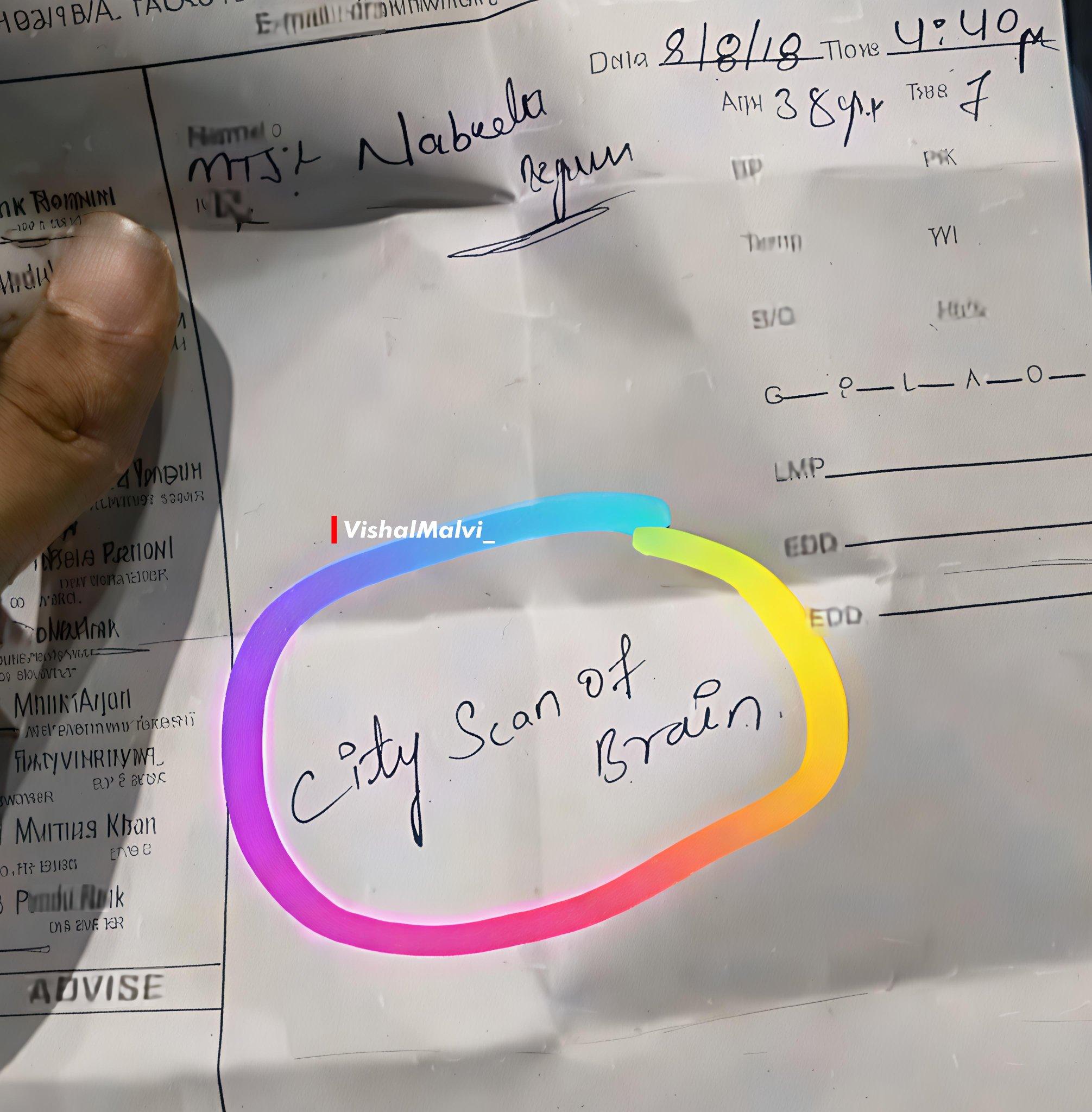
  • Another Munna bhai MBBS Doctor spotted

    #Brain #Doctor #MBBS #scrolllink
    Another Munna bhai MBBS Doctor spotted #Brain #Doctor #MBBS #scrolllink
    Haha
    6
    0 Comentários 0 Compartilhamentos 379 Visualizações 0 Anterior
  • Secrets? Bro, I forget snacks
    #FunnyMood #RelatableJokes #ForgetfulBrain #MemeTime
    Secrets? Bro, I forget snacks 😂 #FunnyMood #RelatableJokes #ForgetfulBrain #MemeTime
    Haha
    1
    0 Comentários 0 Compartilhamentos 617 Visualizações 0 Anterior
  • हम सोचते हैं कि हमारा शरीर सिर्फ़ मांस और हड्डियों का बना है लेकिन विज्ञान बताता है कि हम असल में ऊर्जा के जीव हैं।

    सबसे पहले बात करते हैं हृदय (Heart) की दिल सिर्फ़ खून पंप नहीं करता, बल्कि यह एक शक्तिशाली विद्युत-चुंबकीय क्षेत्र (Electromagnetic Field) भी उत्पन्न करता है, जो शरीर से कई फीट दूर तक फैलता है।
    HeartMath Institute के शोध बताते हैं कि यह क्षेत्र हमारे आसपास के लोगों की ऊर्जा को भी प्रभावित कर सकता है।
    यानी, आपकी भावनाएँ जैसे प्यार, शांति, या डर सिर्फ़ आपके भीतर नहीं रहतीं, वे आपके आस-पास के स्पेस में तरंगों के रूप में फैलती हैं।

    अब आते हैं मस्तिष्क (Brain) पर
    आपका दिमाग़ हर सेकंड प्रकाश और बिजली की मापनीय तरंगें (Brain Waves) पैदा करता है।
    EEG (Electroencephalogram) के ज़रिए वैज्ञानिक इन तरंगों को मापते हैं अल्फ़ा, बीटा, थीटा, और डेल्टा वेव्स।
    यही वे तरंगें हैं जो आपके विचारों, ध्यान और भावनाओं की स्थिति को नियंत्रित करती हैं।

    और तीसरा केंद्र है अंतःकरण या आंत (Gut) जिसे वैज्ञानिक “Second Brain” कहते हैं।
    यह लगभग 10 करोड़ से ज़्यादा न्यूरॉन्स से बना होता है यानी रीढ़ की हड्डी के बराबर।
    आपका यह “गट ब्रेन” कई बार दिमाग़ से पहले प्रतिक्रिया देता है, जैसे किसी खतरे का आभास या किसी व्यक्ति के बारे में अचानक महसूस होना।
    इसका मतलब आपका शरीर सोचता है, महसूस करता है और प्रतिक्रिया करता है, सिर्फ़ आपका मस्तिष्क नहीं।

    #scrolllink #brain #heart #science #fact
    हम सोचते हैं कि हमारा शरीर सिर्फ़ मांस और हड्डियों का बना है लेकिन विज्ञान बताता है कि हम असल में ऊर्जा के जीव हैं। सबसे पहले बात करते हैं हृदय (Heart) की दिल सिर्फ़ खून पंप नहीं करता, बल्कि यह एक शक्तिशाली विद्युत-चुंबकीय क्षेत्र (Electromagnetic Field) भी उत्पन्न करता है, जो शरीर से कई फीट दूर तक फैलता है। HeartMath Institute के शोध बताते हैं कि यह क्षेत्र हमारे आसपास के लोगों की ऊर्जा को भी प्रभावित कर सकता है। यानी, आपकी भावनाएँ जैसे प्यार, शांति, या डर सिर्फ़ आपके भीतर नहीं रहतीं, वे आपके आस-पास के स्पेस में तरंगों के रूप में फैलती हैं। अब आते हैं मस्तिष्क (Brain) पर आपका दिमाग़ हर सेकंड प्रकाश और बिजली की मापनीय तरंगें (Brain Waves) पैदा करता है। EEG (Electroencephalogram) के ज़रिए वैज्ञानिक इन तरंगों को मापते हैं अल्फ़ा, बीटा, थीटा, और डेल्टा वेव्स। यही वे तरंगें हैं जो आपके विचारों, ध्यान और भावनाओं की स्थिति को नियंत्रित करती हैं। और तीसरा केंद्र है अंतःकरण या आंत (Gut) जिसे वैज्ञानिक “Second Brain” कहते हैं। यह लगभग 10 करोड़ से ज़्यादा न्यूरॉन्स से बना होता है यानी रीढ़ की हड्डी के बराबर। आपका यह “गट ब्रेन” कई बार दिमाग़ से पहले प्रतिक्रिया देता है, जैसे किसी खतरे का आभास या किसी व्यक्ति के बारे में अचानक महसूस होना। इसका मतलब आपका शरीर सोचता है, महसूस करता है और प्रतिक्रिया करता है, सिर्फ़ आपका मस्तिष्क नहीं। #scrolllink #brain #heart #science #fact
    Like
    Love
    2
    0 Comentários 0 Compartilhamentos 467 Visualizações 0 Anterior
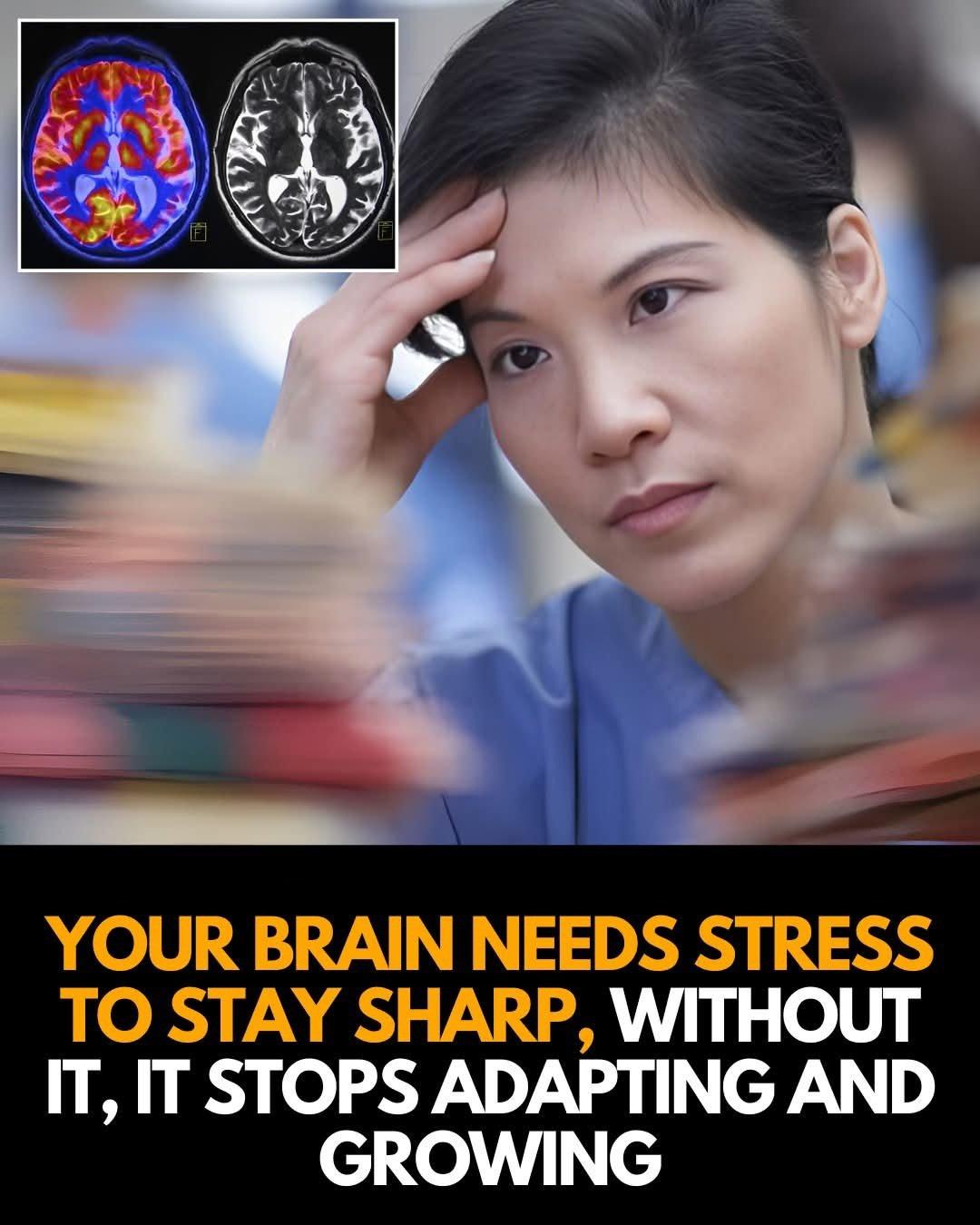
  • Your brain is a muscle of adaptation — and stress, in the right amount, is its workout. Moderate stress acts like resistance training for your mind, triggering the release of neurochemicals like norepinephrine and dopamine that enhance focus, learning, and memory. It pushes the brain to strengthen neural pathways and form new ones, improving its ability to handle future challenges.

    Studies from the University of California, Berkeley show that mild stress can boost neurogenesis — the growth of new brain cells — and improve cognitive flexibility, helping you think faster and make better decisions under pressure. The key lies in balance: while chronic stress damages the brain, controlled doses fuel mental resilience, motivation, and creativity.

    So instead of avoiding stress completely, embrace challenges that stretch your limits — a tough project, a workout, or learning something new. That’s how your brain stays young, adaptable, and ready for anything.

    #Neuroscience #BrainHealth #MentalHealthMatters #scrolllink
    Your brain is a muscle of adaptation — and stress, in the right amount, is its workout. Moderate stress acts like resistance training for your mind, triggering the release of neurochemicals like norepinephrine and dopamine that enhance focus, learning, and memory. It pushes the brain to strengthen neural pathways and form new ones, improving its ability to handle future challenges. Studies from the University of California, Berkeley show that mild stress can boost neurogenesis — the growth of new brain cells — and improve cognitive flexibility, helping you think faster and make better decisions under pressure. The key lies in balance: while chronic stress damages the brain, controlled doses fuel mental resilience, motivation, and creativity. So instead of avoiding stress completely, embrace challenges that stretch your limits — a tough project, a workout, or learning something new. That’s how your brain stays young, adaptable, and ready for anything. #Neuroscience #BrainHealth #MentalHealthMatters #scrolllink
    0 Comentários 0 Compartilhamentos 893 Visualizações 0 Anterior
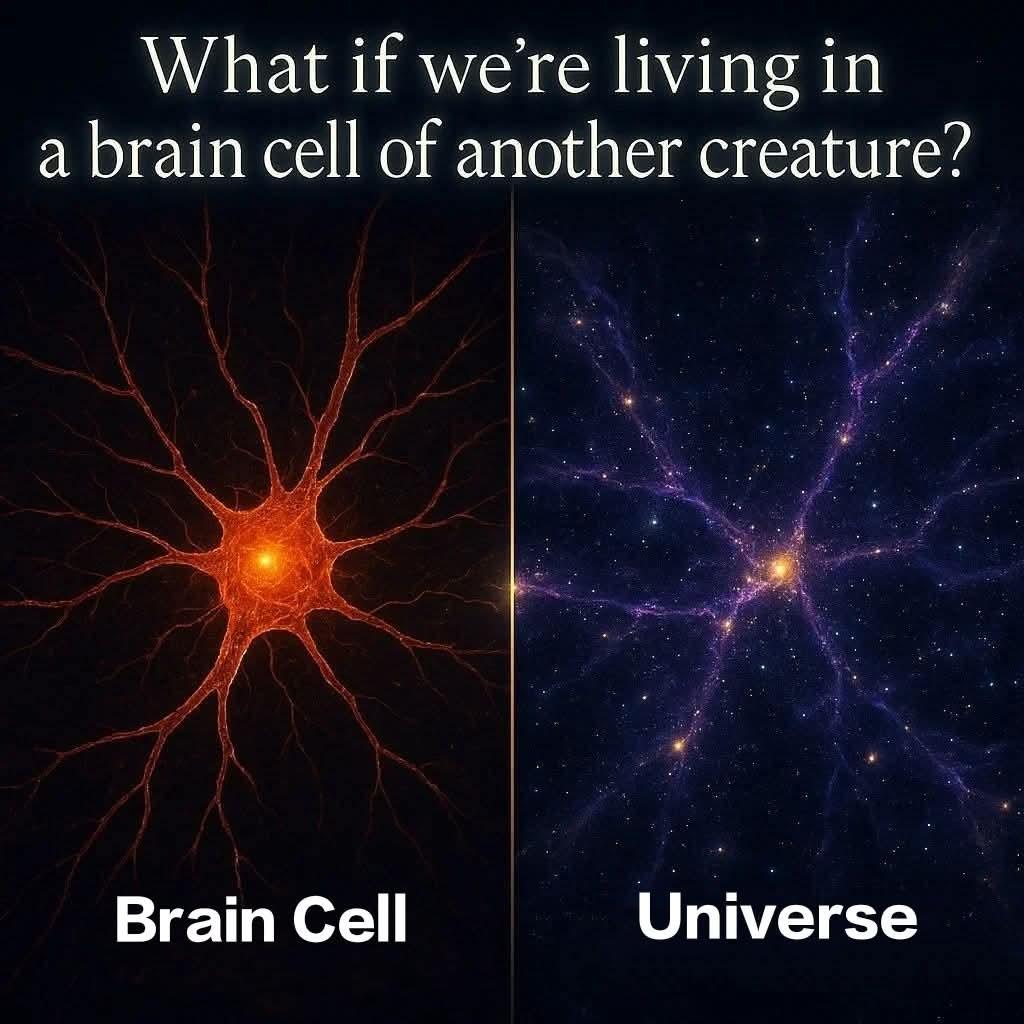
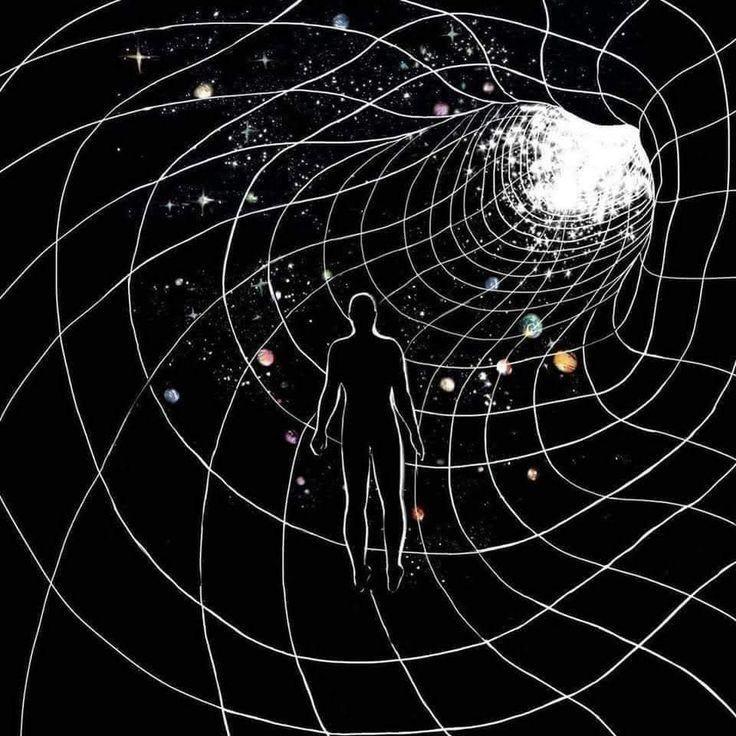
  • It’s mind-blowing to realize that brain cells and the universe share a striking similarity in their network structure. Both are made up of countless nodes — neurons in the brain and galaxies in the universe — connected by delicate filaments. The brain contains around 86 billion neurons, while the universe holds at least 100 billion galaxies, woven together in a vast cosmic web. Yet, despite this visual and structural resemblance, they’re worlds apart in composition and purpose. The universe is dominated by dark energy and dark matter, while the human brain is mostly water. The brain processes information and thought, while the universe’s filaments transfer energy and matter across unimaginable distances. It’s a beautiful reminder that patterns repeat themselves — from the smallest neuron to the grandest galaxy.

    #Universe #SpaceExploration #scrolllink
    🌌🧠 It’s mind-blowing to realize that brain cells and the universe share a striking similarity in their network structure. Both are made up of countless nodes — neurons in the brain and galaxies in the universe — connected by delicate filaments. The brain contains around 86 billion neurons, while the universe holds at least 100 billion galaxies, woven together in a vast cosmic web. Yet, despite this visual and structural resemblance, they’re worlds apart in composition and purpose. The universe is dominated by dark energy and dark matter, while the human brain is mostly water. The brain processes information and thought, while the universe’s filaments transfer energy and matter across unimaginable distances. It’s a beautiful reminder that patterns repeat themselves — from the smallest neuron to the grandest galaxy. #Universe #SpaceExploration #scrolllink
    Like
    Love
    4
    0 Comentários 0 Compartilhamentos 855 Visualizações 0 Anterior
  • क्या सच में ऐसा होता है ???

    आपलोग क्या कहना चाहेंगे इस चीज के बारे में ??

    #insult #brain #mind #human #scrolllink
    क्या सच में ऐसा होता है ??? आपलोग क्या कहना चाहेंगे इस चीज के बारे में ?? #insult #brain #mind #human #scrolllink
    0 Comentários 0 Compartilhamentos 396 Visualizações 0 Anterior
  • Is consciousness only a result of brain activity — or a basic feature of the universe itself?

    #universe #brain #consciousness #scrolllink
    Is consciousness only a result of brain activity — or a basic feature of the universe itself? 🤔 #universe #brain #consciousness #scrolllink
    Like
    1
    0 Comentários 0 Compartilhamentos 519 Visualizações 0 Anterior
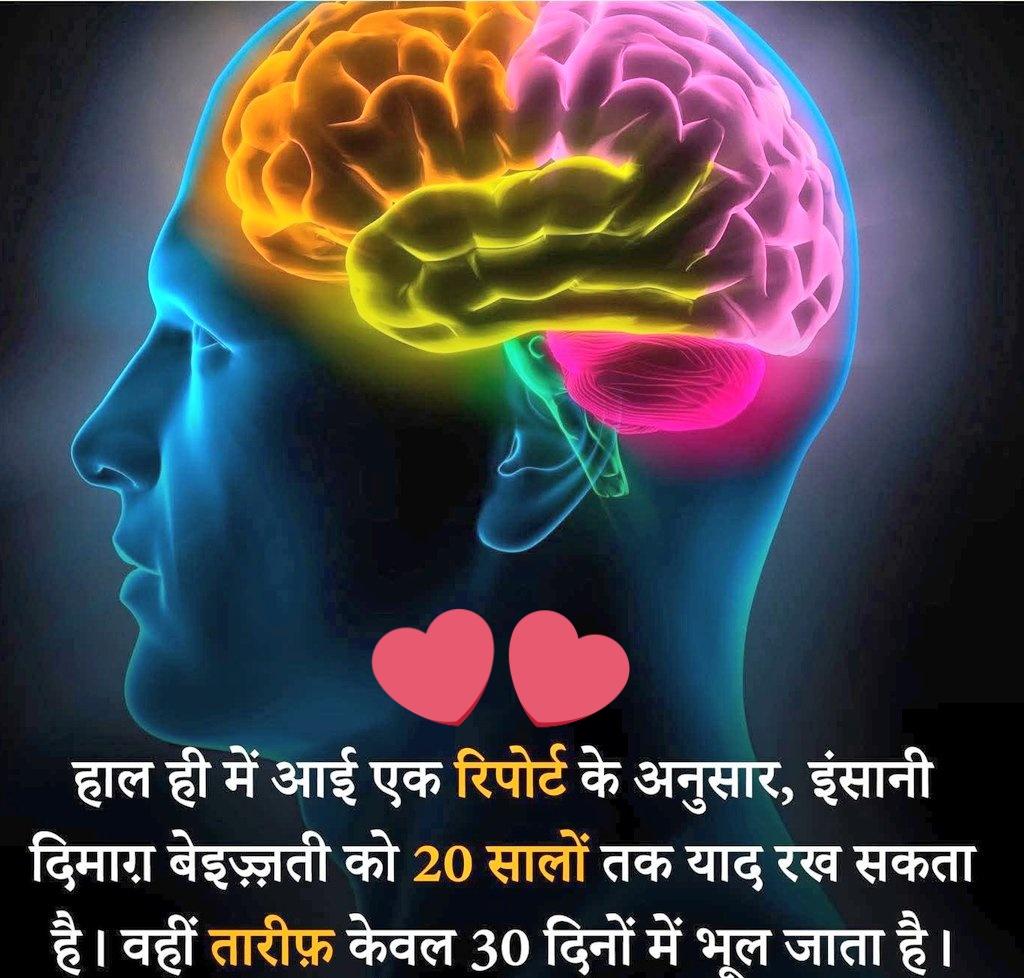
  • क्या आप जानते हैं कि हमारा मस्तिष्क नकारात्मक बातों को सकारात्मक बातों से ज्यादा लंबा समय तक याद रखता है? वैज्ञानिकों के अनुसार, जब हम अपमान सुनते हैं तो मस्तिष्क के डर और सुरक्षा केंद्र सक्रिय हो जाते हैं, जिससे वह अनुभव गहराई तक दर्ज हो जाता है।

    इसके बाद मानसिक तनाव हार्मोन सक्रिय होते हैं, जो इन यादों को दशकों तक टिकाए रखते हैं। जबकि प्रशंसा या तारीफ, मस्तिष्क के पुरस्कार केंद्रों को कुछ समय के लिए ही सक्रिय करती है और जल्द ही भूल जाती है।

    यह मानसिक प्रक्रिया जिसे 'नकारात्मकता पक्षपात' कहा जाता है, हमें खतरों से बचाने के लिए विकसित हुई है।

    इसलिए, सकारात्मक शब्दों की भी उतनी ही ताकत होती है जितनी नकारात्मक शब्दों की , बस उन्हें याद रखने की जरूरत है।
    क्या आपने भी ऐसा कभी अनुभव किया है???

    #nagativity #scrolllink #mind #brain #human #science
    क्या आप जानते हैं कि हमारा मस्तिष्क नकारात्मक बातों को सकारात्मक बातों से ज्यादा लंबा समय तक याद रखता है? वैज्ञानिकों के अनुसार, जब हम अपमान सुनते हैं तो मस्तिष्क के डर और सुरक्षा केंद्र सक्रिय हो जाते हैं, जिससे वह अनुभव गहराई तक दर्ज हो जाता है। इसके बाद मानसिक तनाव हार्मोन सक्रिय होते हैं, जो इन यादों को दशकों तक टिकाए रखते हैं। जबकि प्रशंसा या तारीफ, मस्तिष्क के पुरस्कार केंद्रों को कुछ समय के लिए ही सक्रिय करती है और जल्द ही भूल जाती है। यह मानसिक प्रक्रिया जिसे 'नकारात्मकता पक्षपात' कहा जाता है, हमें खतरों से बचाने के लिए विकसित हुई है। इसलिए, सकारात्मक शब्दों की भी उतनी ही ताकत होती है जितनी नकारात्मक शब्दों की , बस उन्हें याद रखने की जरूरत है। क्या आपने भी ऐसा कभी अनुभव किया है??? #nagativity #scrolllink #mind #brain #human #science
    0 Comentários 0 Compartilhamentos 442 Visualizações 0 Anterior
  • #scrolllink #thoughts #heavy #brain
    #scrolllink #thoughts #heavy #brain
    Like
    1
    0 Comentários 0 Compartilhamentos 492 Visualizações 0 Anterior
  • #science #brain #scrolllink
    #science #brain #scrolllink
    0 Comentários 0 Compartilhamentos 317 Visualizações 0 Anterior
Páginas impulsionada