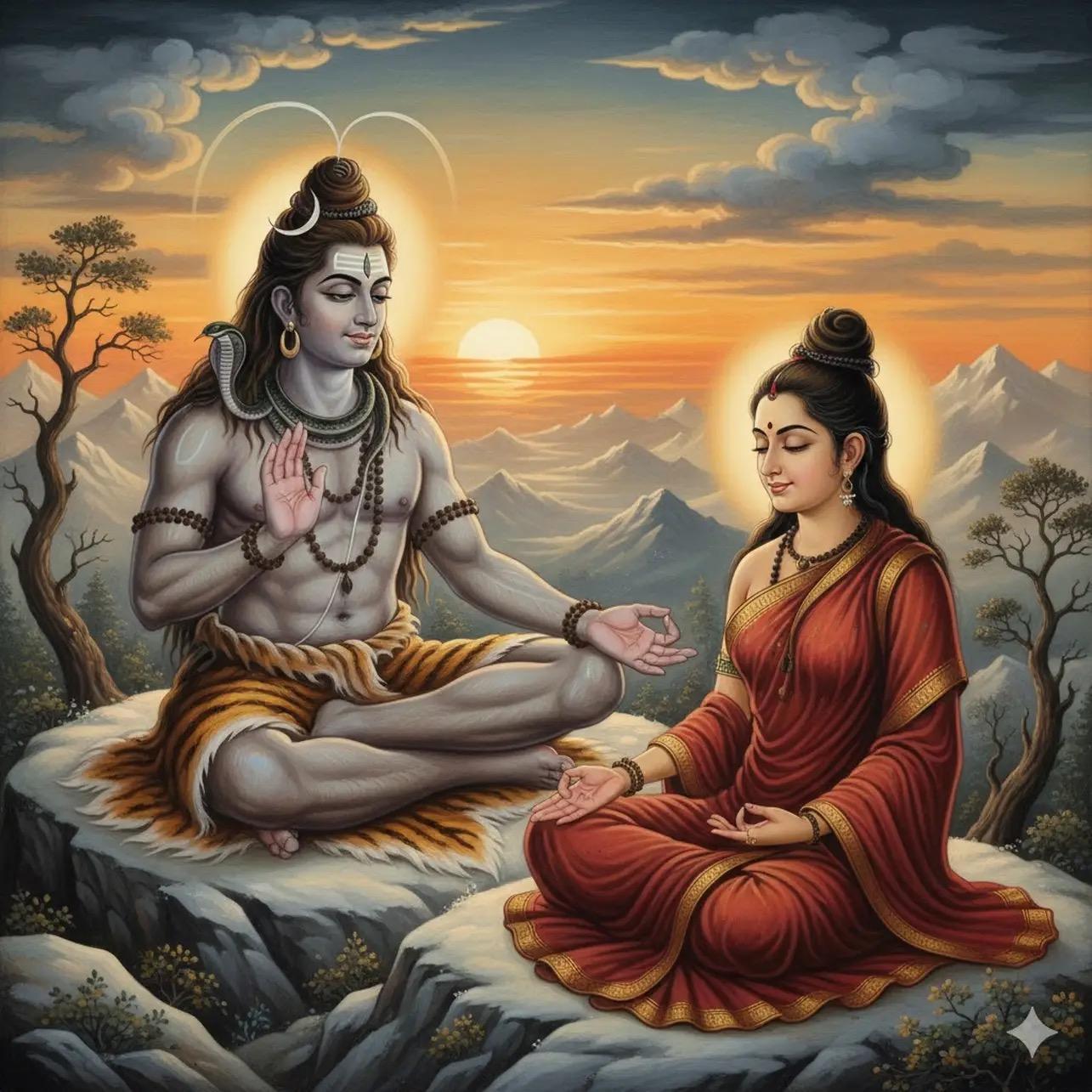
• Let’s exercise per Himalayan siddhas
    Let’s exercise per Himalayan siddhas
    0 Commenti 0 condivisioni 289 Views 0 Anteprima
  • Himalayan Siddhas have contributed
    immensely in formation and sustaining spiritual practices through all yugas ๐Ÿ™‡๐Ÿพ
    Himalayan Siddhas have contributed immensely in formation and sustaining spiritual practices through all yugas ๐Ÿ’๐Ÿ™‡๐Ÿพ๐Ÿ™
    0 Commenti 0 condivisioni 260 Views 0 Anteprima
  • The Concept of Trisharir (The Three Bodies)

    According to Himalayan Siddhas, a human being is not just the physical form but a composite of three distinct layers or vehicles of consciousness:

    Sthula Sharira (Gross Body): The physical, material body made of the five elements (earth, water, fire, air, and ether). It operates in the waking state and is sustained by food.

    Sukshma Sharira (Subtle Body): The energetic and mental body. It encompasses vital life force (Prana), thoughts, ego, and intellect. It is the vehicle experienced during dreams and astral practices.

    Karana Sharira (Causal Body): The deepest, seed-like layer containing karmic imprints, subconscious patterns, and the raw potential of soul evolution. It corresponds to the state of deep sleep and pure potential.

    #Ishaputra #KaulantakPeeth
    The Concept of Trisharir (The Three Bodies) According to Himalayan Siddhas, a human being is not just the physical form but a composite of three distinct layers or vehicles of consciousness: Sthula Sharira (Gross Body): The physical, material body made of the five elements (earth, water, fire, air, and ether). It operates in the waking state and is sustained by food. Sukshma Sharira (Subtle Body): The energetic and mental body. It encompasses vital life force (Prana), thoughts, ego, and intellect. It is the vehicle experienced during dreams and astral practices. Karana Sharira (Causal Body): The deepest, seed-like layer containing karmic imprints, subconscious patterns, and the raw potential of soul evolution. It corresponds to the state of deep sleep and pure potential. #Ishaputra #KaulantakPeeth
    0 Commenti 0 condivisioni 694 Views 0 Anteprima
  • The Untold Glory of Bhagwati Shakambhari According to Siddha Dharma
    The story you have heard is only one part of the truth.
    The Himalayan Siddhas preserve a far deeper and more mysterious understanding of Bhagwati Shakambhari.

    #Shakambhari #GoddessShakambhari #Sadhana #Tantra #SiddhaDharm #HimalayanSiddhaTradition #SiddhaDharma #HimalayanDevaParampara #Mahadev #SwachchhandBhairav #KaulantakPeeth #KulantPeeth #IKSVP #MahasiddhaIshaputra #Ishaputra #MahayogiSatyendraNath #Meditation #SanatanDharma #HimalayanSiddhas #Siddhapedia #Kurukulla #GoddessKurukulla
    The Untold Glory of Bhagwati Shakambhari According to Siddha Dharma The story you have heard is only one part of the truth. The Himalayan Siddhas preserve a far deeper and more mysterious understanding of Bhagwati Shakambhari. #Shakambhari #GoddessShakambhari #Sadhana #Tantra #SiddhaDharm #HimalayanSiddhaTradition #SiddhaDharma #HimalayanDevaParampara #Mahadev #SwachchhandBhairav #KaulantakPeeth #KulantPeeth #IKSVP #MahasiddhaIshaputra #Ishaputra #MahayogiSatyendraNath #Meditation #SanatanDharma #HimalayanSiddhas #Siddhapedia #Kurukulla #GoddessKurukulla
    Love
    Like
    9
    4 Commenti 0 condivisioni 5K Views 0 Anteprima
  • เคฏเฅ‹เค— เค”เคฐ เคฎเคนเคพเคฏเฅ‹เค—เฅ€
    ========
    เค•เฅŒเคฒเคพเคจเฅเคคเค• เคชเฅ€เค เคพเคงเฅ€เคถเฅเคตเคฐ เคฎเคนเคพเคฏเฅ‹เค—เฅ€ เคธเคคเฅเคฏเฅ‡เคจเฅเคฆเฅเคฐ เคจเคพเคฅ เค•เฅ€ เค…เคฆเฅเคญเฅเคค เคธเคพเคงเคจเฅ‹เค‚ เค•เฅ‹ เคฆเฅ‡เค– เค•เคฐ เค•เฅ‹เคˆ เคญเฅ€ เค†เคถเฅเคšเคฐเฅเคฏเคšเค•เคฟเคค เคฐเคน เคœเคพเคเค—เคพ, เคฌเคพเคฒเฅเคฏเค•เคพเคฒ เคธเฅ‡ เคนเฅ€ เคนเคฟเคฎเคพเคฒเคฏเฅ‹เค‚ เค•เฅ‡ เคถเคฟเค–เคฐเฅ‹เค‚ เคชเคฐ เค‰เคจเค•เคพ เคฎเคนเคพเคธเคพเคฎเฅเคฐเคพเคœเฅเคฏ เคฐเคนเคพ, เค•เคฟเคธเฅ€ เคนเคฟเคฎ เคคเฅ‡เค‚เคฆเฅเค เค•เฅ€ เคคเคฐเคน เคฎเคนเคพเคฏเฅ‹เค—เฅ€ เค•เคฟเคธเฅ€ เคญเฅ€ เคชเคฐเฅเคตเคค เคชเคฐ เค†เคจเฅ‡ เคœเคพเคจเฅ‡ เคฎเฅ‡เค‚ เคฌเคนเฅเคค เคนเฅ€ เคธเคนเคœ เคฅเฅ‡, เคฌเคจเฅ‹เค‚ เคฌเคจเฅ‹เค‚ เค˜เฅ‚เคฎเคจเคพ เค•เฅ‹เคˆ เคธเคฐเคฒ เค•เคพเคฐเฅเคฏ เคจเคนเฅ€เค‚, เค•เคฟเคจเฅเคคเฅ เคฎเคนเคพเคฏเฅ‹เค—เฅ€ เคœเค‚เค—เคฒเฅ€ เคœเคพเคจเคฌเคฐเฅ‹เค‚ เค•เฅ€ เคชเคฐเคตเคพเคน เค•เคฟเคฏเฅ‡ เคฌเคฟเคจเคพ เคถเคพเคจ เคธเฅ‡ เคตเคฟเคšเคฐเคฃ เค•เคฐเคคเฅ‡ เคนเฅˆเค‚, เค•เฅเคฏเฅ‹เค‚เค•เคฟ เคตเฅ‹ เคนเคฟเคฎเคพเคฒเคฏเฅ‹เค‚ เคต เคชเคฐเฅเคตเคคเฅ€เคฏ เคฌเคจเฅ‹เค‚ เค•เฅ‡ เคนเคฐ เคฐเคพเคœ เค•เฅ‹ เคœเคพเคจเคคเฅ‡ เคนเฅˆเค‚, เคฏเฅ‹เค— เค•เฅ‹ เคธเคฟเคฆเฅเคง เค•เคฐเคจเคพ เคฏเคพ เคธเคพเคงเคพเคฐเคฃเคคเคฏ: เคธเฅ€เค–เคจเคพ เคญเฅ€ เคฌเคนเฅเคค เคœเคŸเคฟเคฒ เคนเฅ‹เคคเคพ เคนเฅˆ, เคตเฅˆเคฐเคพเค—เฅเคฏ เคญเคพเคต เค•เฅ‡ เคฌเฅ€เคš เคนเฅ€ เค•เค เฅ‹เคฐ เค…เคญเฅเคฏเคพเคธ เค•เคฐเคคเฅ‡ เคนเฅเค เค—เฅเคฐเฅ เค•เฅ‡ เคฆเคฟเคถเคพ เคจเคฟเคฐเฅเคฆเฅ‡เคถ เคฎเฅ‡เค‚ เคเค•-เคเค• เค†เคธเคจ, เคชเฅเคฐเคพเคฃเคพเคฏเคพเคฎ, เค†เคšเคพเคฐ-เคตเคฟเคšเคพเคฐ, เคตเฅเคฏเคตเคนเคพเคฐ เค•เฅ‹ เคธเคฎเคเคพเคจเคพ เค”เคฐ เคธเฅ€เค–เคจเคพ เคชเคกเคผเคคเคพ เคนเฅˆ, เคœเฅ‹ เคธเฅ€เค–เคพ เค‰เคธเฅ‡ เคชเฅเคฐเคฏเฅ‹เค— เคชเคฐ เค‰เคคเคพเคฐเคจเคพ เคญเฅ€ เคนเฅ‹เคคเคพ เคนเฅˆ, เคฏเฅ‹เค— เคญเฅ€เคคเคฐ เค•เฅ‡ เคเคธเฅ‡ เคธเค‚เคธเคพเคฐ เคธเฅ‡ เคชเคฐเคฟเคšเคฏ เค•เคฐเคตเคพเคคเคพ เคนเฅˆ เค•เคฟ เค•เฅ‹เคˆ เค‰เคธเค•เฅ€ เคตเฅเคฏเคพเค–เฅเคฏเคพ เคคเค• เค เฅ€เค• เคธเฅ‡ เคจเคนเฅ€เค‚ เค•เคฐ เคชเคพเคคเคพ, เคฐเคพเคค เค เฅ€เค• เคคเฅ€เคจ เคฌเคœเฅ‡ เค•เฅ‡ เค•เคฐเฅ€เคฌ เค‰เค เคพ เคœเคพเคจเฅ‡ เคตเคพเคฒเฅ‡ เคฎเคนเคพเคฏเฅ‹เค—เฅ€ เคœเฅ€ เค•เฅ‡ เคฒเคฟเค เคฏเฅ‡ เคธเคฌ เคธเคนเคœ เคนเฅ€ เคฅเคพ, เค‡เคธเคฒเคฟเค เคจเคนเฅ€เค‚ เค•เคฟ เคตเฅ‹ เค•เฅ‹เคˆ เคšเคฎเคคเฅเค•เคพเคฐเคฟเค• เคชเฅเคฐเฅเคท เคœเคจเฅเคฎ-เคœเคพเคค เคฅเฅ‡, เคฌเคฒเฅเค•เคฟ เค‡เคธเคฒเคฟเค เค•เคฟ เคเค• เคคเฅ‹ เคตเฅ‹ เคนเคฟเคฎเคพเคฒเคฏ เค•เฅ‡ เคจเคฟเค•เคŸ เคชเฅˆเคฆเคพ เคนเฅเค เคธเคพเคฅ เคนเฅ€ เคฆเฅˆเคตเคฏเฅ‹เค— เคธเฅ‡ เค…เคคเฅเคฏเค‚เคค เคธเคฟเคฆเฅเคง เค—เฅเคฐเฅ เคชเฅเคฐเคพเคชเฅเคค เคนเฅเค, เคซเคฟเคฐ เค‰เคจเค•เฅ€ เค…เคชเคจเฅ€ เค…เค—เคพเคง เค—เฅเคฐเฅ เคญเค•เฅเคคเคฟ, เค‡เคจ เคธเคฌเคจเฅ‡ เคฎเคฟเคฒ เค•เคฐ เคฎเคนเคพเคฏเฅ‹เค—เฅ€ เค•เฅ‹ เคฏเฅ‹เค— เค•เคพ เคเคธเคพ เคฆเคฟเคตเฅเคฏ เคชเฅเคฐเฅเคท เคฌเคจเคพ เคฆเคฟเคฏเคพ เค•เคฟ เค›เฅ‹เคŸเฅ€ เคธเฅ€ เค…เคตเคถเคคเคพ เคฎเฅ‡เค‚ เคนเฅ€ เค—เฅเคฐเฅเคœเคจเฅ‹เค‚ เค•เฅ€ เคฆเฅ‡เค–-เคฐเฅ‡เค– เคฎเฅ‡เค‚ เคงเฅเคฏเคพเคจ เคฒเค—เคพเคคเฅ‡-เคฒเค—เคพเคคเฅ‡ เค†เค‚เคถเคฟเค• เคธเคฎเคพเคงเคฟ เคคเค• เคชเคนเฅเคเคšเคจเฅ‡ เคฒเค— เค—เค, เคฏเฅ‹เค— เคฎเฅ‡เค‚ เคฎเคนเคพเคฏเฅ‹เค—เฅ€ เคœเฅ€ เค•เฅ€ เค•เฅเคถเคฒเคคเคพ เคฆเฅ‡เค–เคคเฅ‡ เคนเฅ€ เคฌเคจเคคเฅ€ เคนเฅˆ, เคนเคฟเคฎเคพเคฒเคฏเฅ‹เค‚ เคชเคฐ เคชเฅเคฐเคฎเฅเค– เค†เคธเคจเฅ‹เค‚ เค•เฅ‡ เค…เคคเคฟเคฐเคฟเค•เฅเคค เคญเฅ€ เคฎเคนเคพเคฏเฅ‹เค—เฅ€ เคœเฅ€ เคจเฅ‡เค‚ เคฒเค—เคญเค— เคคเฅ€เคจ เคนเคœเคพเคฐ เคธเฅ‡ เคœเฅเคฏเคพเคฆเคพ เคฏเฅ‹เค—เคพเคธเคจเฅ‹เค‚ เค•เฅ‹ เคธเฅ€เค–เคพ, เคชเฅเคฐเค•เคŸเคฏเฅ‹เค— เคฏเคพเคจเคฟ เค•เฅ€ เค—เฅเคฐเค‚เคฅเฅ‹เค‚ เคฎเฅ‡เค‚ เคฒเคฟเค–เคพ เค—เคฏเคพ เคฏเฅ‹เค— เคต เค—เฅเคชเฅเคคเคฏเฅ‹เค— เคฏเคพเคจเคฟ เค•เคฟ เค•เฅ‡เคตเคฒ เค—เฅเคฐเฅ เคถเคฟเคทเฅเคฏ เคชเคฐเคฎเฅเคชเคฐเคพ เค•เฅ‡ เค…เคจเฅเคธเคพเคฐ เคฆเคฟเคฏเคพ เคœเคพเคจเฅ‡ เคตเคพเคฒเคพ เคต เคธเคฟเค–เคพเคฏเคพ เคœเคพเคจเฅ‡ เคตเคพเคฒเคพ เคฏเฅ‹เค— เคฎเคนเคพเคฏเฅ‹เค—เฅ€ เคœเฅ€ เค•เฅ‹ เคชเฅ‚เคฐเฅเคฃเคคเคฏเคพ เคชเฅเคฐเคพเคชเฅเคค เคนเฅเค†, เคถเฅˆเคตเค•เฅเคฒ เคต เคถเคพเค•เฅเคคเค•เฅเคฒ เค•เคพ เคšเค•เฅเคฐ เค†เคงเคพเคฐเคฟเคค เคฏเฅ‹เค—, 72 เคชเฅเคฐเคพเคฃเคพเคฏเคพเคฎเฅ‹เค‚ เคธเคนเคฟเคค เคตเคฟเคตเคฟเคง เคฎเฅเคฆเฅเคฐเคพเค“เค‚, เคฌเค‚เคงเฅ‹เค‚ เค†เคฆเคฟ เค•เคพ เคœเฅเคžเคพเคจ เคฒเคฟเคฏเคพ, เคฎเคนเคพเค‹เคทเคฟ เคชเคคเค‚เคœเคฒเคฟ เคธเคนเคฟเคค, เคชเคžเฅเคšเคถเคฟเค–เคพเคšเคพเคฐเฅเคฏ, เคœเฅˆเค—เฅ€เคถเฅเคตเฅเคฏเคพเคšเคพเคฐเฅเคฏ, เคตเคพเคฐเฅเคทเค—เคฃเฅเคฏเคพเคšเคพเคฐเฅเคฏ เคธเคนเคฟเคค เค•เคˆ เค†เคฆเคฟ เค‹เคทเคฟเคฏเฅ‹เค‚ เค•เฅ‡ เค•เฅเคฒ เค•เคพ เคฏเฅ‹เค— เคœเฅเคžเคพเคจ เคชเคพเคฏเคพ, เคฏเฅ‹เค— เคธเคฟเคฆเฅเคงเคฟ เคธเคฐเคฒเคคเคพ เคธเฅ‡ เคชเฅเคฐเคพเคชเฅเคค เคจเคนเฅ€เค‚ เคนเฅ‹เคคเฅ€, เคฌเฅเคฐเคนเฅเคฎเคšเคฐเฅเคฏ เค†เคฆเคฟ เค•เฅ‡ เค•เค เฅ‹เคฐ เคธเคฟเคฆเฅเคงเคพเค‚เคคเฅ‹เค‚ เค•เฅ€ เคฎเคนเคพเคฏเฅ‹เค—เฅ€ เคœเฅ€ เค•เฅ‹ เค‡เคธ เคฒเคฟเค เคญเฅ€ เคœเคฐเฅ‚เคฐเคค เคจเคนเฅ€เค‚ เคชเฅœเฅ€ เค•เฅเคฏเฅ‹เค‚เค•เคฟ เคตเฅ‹ เคคเฅ‹ เคคเฅ€เคจ เคšเคพเคฐ เคตเคฐเฅเคท เค•เฅ€ เค†เคฏเฅ เคธเฅ‡ เค—เฅเคฐเฅ เค•เฅ‡ เคชเคพเคธ เคฏเฅ‹เค— เค•เคพ เคœเฅเคžเคพเคจ เคชเคพ เคฐเคนเฅ‡ เคฅเฅ‡, เคฏเฅ‹เค— เค•เฅ‡ เคฏเคฎ เคจเคฟเคฏเคฎเฅ‹เค‚ เคธเคนเคฟเคค เคˆเคถเฅเคตเคฐ เคชเฅเคฐเคฃเฅ€เคงเคพเคจ เค†เคฆเคฟ เค•เฅ‹ เคธเฅ€เค–เคคเฅ‡ เคนเฅเค เค•เคพเคซเฅ€ เคธเคฎเคฏ เคฒเค— เค—เคฏเคพ เคฒเค—เคญเค— เคธเคพเคค เคตเคฐเฅเคท เค•เฅ€ เค†เคฏเฅ เคชเคพเคฐ เคนเฅ‹ เคœเคพเคจเฅ‡ เค•เฅ‡ เคฌเคพเคฆ เคฎเคนเคพเคฏเฅ‹เค—เฅ€ เคœเฅ€ เค•เฅ‹ เคนเคฟเคฎเคพเคฒเคฏ เคฎเฅ‡เค‚ เคฏเฅ‹เค— เค•เคพ เค…เคญเฅเคฏเคพเคธ เค•เคฐเคจเฅ‡ เค•เคพ เคถเฅเคญ เค…เคตเคธเคฐ เคชเฅเคฐเคพเคชเฅเคค เคนเฅเค†, เคธเคฌเคธเฅ‡ เคชเคนเคฒเฅ‡ เคฎเคนเคพเคฏเฅ‹เค—เฅ€ เค•เฅ‡ เคฏเฅ‹เค— เค•เคพ เค—เคตเคพเคน เคฌเคจเคพ เค—เคฐเฅเคกเคพเคธเคจ เคชเคฐเฅเคตเคค, เคœเคนเคพเค เคฎเคนเคพเคฏเฅ‹เค—เฅ€ เคœเฅ€ เคจเฅ‡เค‚ เคงเฅเคฏเคพเคจ เค•เฅ€ เคธเฅ€เคฎเคพเค“เค‚ เคธเฅ‡ เคชเคพเคฐ เคธเคฎเคพเคงเคฟ เค•เฅ€ เค”เคฐ เคœเคพเคจเคพ เคถเฅเคฐเฅ‚ เค•เคฐ เคฆเคฟเคฏเคพ, เค—เคฐเฅเคกเคพเคธเคจ เคชเคฐเฅเคตเคค เคธเฅ‡ เคฎเฅ€เคฒเฅ‹เค‚-เคฎเฅ€เคฒเฅ‹เค‚ เคคเค• เค•เฅ‹เคˆ เคฎเคพเคจเคต เคธเคญเฅเคฏเคคเคพ เคนเฅ€ เคจเคนเฅ€เค‚ เคนเฅˆ, เคถเฅ€เคคเคฒ เคชเคนเคพเฅœเฅ€ เค•เฅเคทเฅ‡เคคเฅเคฐ เค”เคฐ เคฌเคฟเคฒเค•เฅเคฒ เคเค•เคพเค‚เคค เคชเคตเคฟเคคเฅเคฐ เคธเฅเคฅเคฒ เคนเฅˆ เคฏเฅ‡ เคชเคฐเฅเคตเคค, เคฏเฅ‹เค— เค•เฅ€ เคตเคฟเคตเคฟเคง เคตเคฟเคงเคพเคเค‚ เคนเฅˆเค‚ เคœเฅˆเคธเฅ‡ เคนเค เคฏเฅ‹เค—, เคฐเคพเคœเคฏเฅ‹เค—, เคจเคพเคฆเคฏเฅ‹เค—, เคญเค•เฅเคคเคฟเคฏเฅ‹เค—,เคฎเคจเฅเคคเฅเคฐเคฏเฅ‹เค— เค†เคฆเคฟ-เค†เคฆเคฟ, เคฎเคนเคพเค•เคพเคฒ เคถเคฟเคต เคชเฅเคฐเคฃเฅ€เคค เค‡เคธ เคชเคฐเคฎ เคตเคฟเคฆเฅเคฏเคพ เค•เฅ‹ เคธเฅ€เค–เคพ เคคเฅ‹ เคœเคพ เคธเค•เคคเคพ เคนเฅˆ เคชเคฐ เค‡เคธเค•เคพ เค…เคญเฅเคฏเคพเคธ เคฆเฅ‡เค– เค•เคฐ เคนเฅ€ เคกเคฐ เคฒเค—เคจเฅ‡ เคฒเค—เคคเคพ เคนเฅˆ, เคฏเคพเคœเฅเคžเคตเคฒเฅเค•เฅเคฏ เค†เคฆเคฟ เค‹เคทเคฟเคฏเฅ‹เค‚ เคธเคนเคฟเคค เค—เฅเคฐเฅ เค—เฅ‹เคฐเค•เฅเคทเคจเคพเคฅ เคชเฅเคฐเคฃเฅ€เคค เคฏเฅ‹เค— เค•เคพ เคธเคนเคพเคฐเคพ เคฒเฅ‡เคคเฅ‡ เคนเค เคนเฅ€ เคฎเคนเคพเคฏเฅ‹เค—เฅ€ เค•เคพ เคฏเฅ‹เค— เคœเฅ€เคตเคจ เค†เค—เฅ‡ เค—เคคเคฟ เค•เคฐ เคชเคพเคฏเคพ เคนเฅˆ, เคนเคฟเคฎเคพเคฒเคฏเฅ‹เค‚ เค•เฅ‡ เคชเคฐเคฎ เคถเคฟเค–เคฐเฅ‹เค‚ เคœเฅˆเคธเฅ‡ เค•เฅƒเคท เคชเคฐเฅเคตเคค, เคตเค•เฅเคฐ เคชเคฐเฅเคตเคค, เคฎเฅเค–เคฐ เคชเคฐเฅเคตเคค, เคจเคพเค— เคชเคฐเฅเคตเคค, เค‡เคจเฅเคฆเฅเคฐเคพเคธเคจ เคชเคฐเฅเคตเคค, เคœเฅ‹เค—เคฟเคจเฅ€ เคชเคฐเฅเคตเคค, เคถเฅเคฐเฅเคคเคฟ เคชเคฐเฅเคตเคค เค†เคฆเคฟ เคชเคฐ เคชเคฐ เคฏเฅ‹เค— เค•เคพ เค…เคจเฅเคธเค‚เคงเคพเคจ เค†เคฎ เคตเฅเคฏเค•เฅเคคเคฟ เค•เฅ‹ เคญเฅ€ เคฏเฅ‹เค—เฅ€ เคฌเคจเคพ เคธเค•เคคเคพ เคนเฅˆ, เคซเคฟเคฐ เคฎเคนเคพเคฏเฅ‹เค—เฅ€ เคœเฅ€ เคœเฅˆเคธเฅ‡ เคชเฅเคฐเฅเคท เค•เฅ‹ เคฆเคฟเคตเฅเคฏ เคนเฅ‹เคจเฅ‡ เคฎเฅ‡เค‚ เคญเคฒเคพ เค•เคฟเคคเคจเคพ เคธเคฎเคฏ เคฒเค—เคคเคพ? เคฒเค—เคญเค— 12 เคตเคฐเฅเคท เค•เฅ€ เคฒเค˜เฅ เค†เคฏเฅ เคฎเฅ‡เค‚ เคนเฅ€ เค—เฅเคฐเฅ เคชเคฆ เคชเฅเคฐเคพเคชเฅเคค เค•เคฐเคจเฅ‡ เคตเคพเคฒเฅ‡ เคฎเคนเคพเคฏเฅ‹เค—เฅ€ เคœเฅ€ เค•เคพ เคฌเคšเคชเคจ เค‡เคคเคจเคพ เคฒเฅเคญเคพเคตเคจ เคฐเคนเคพ เคนเฅˆ เค•เคฟ เคฌเคพเคฒเค• เคฏเฅ‹เค—เฅ€ เค•เฅ‡ เคชเคพเคธ เค•เคˆ เคฌเฅƒเคฆเฅเคง เคธเคจเฅเคฏเคพเคธเฅ€ เคถเคฟเคทเฅเคฏเฅ‹เค‚ เค•เคพ เคธเคฎเฅ‚เคน เคนเฅ‹ เค—เคฏเคพ, เคธเคฌ เคฌเคธ เคฏเคนเฅ€ เคšเคพเคนเคคเฅ‡ เคฅเฅ‡ เค•เคฟ เค‰เคจเค•เฅ‹ เคฎเคนเคพเคฏเฅ‹เค—เฅ€ เค•เคพ เคธเคพเคฅ เคฎเคฟเคฒเฅ‡ เคคเคพเค•เคฟ เคตเฅ‹ เคญเฅ€ เคฏเฅ‹เค— เค•เฅ€ เคฎเคนเคพ เคธเคพเคงเคจเคพ เค•เฅ‹ เคธเฅ€เค– เคธเค•เฅ‡เค‚, เคชเฅเคฐเคพเคฃ เคŠเคฐเฅเคœเคพ เค•เฅ‹ เคชเฅเคฐเคพเคชเฅเคค เคนเฅ‹ เคšเฅเค•เฅ‡ เคฎเคนเคพเคฏเฅ‹เค—เฅ€, เคฌเคนเฅเคค เคธเฅ‡ เคธเคจเฅเคฏเคพเคธเคฟเคฏเฅ‹เค‚ เค•เฅ‹ เคฌเคพเคฒเฅเคฏเค•เคพเคฒ เคฎเฅ‡เค‚ เคนเฅ€ เคธเฅ‚เคฐเฅเคฏ เคฏเฅ‹เค— เค†เคฆเคฟ เคธเคฟเค–เคพ เคšเฅเค•เฅ‡ เคนเฅˆเค‚, เคฎเคนเคพเคฏเฅ‹เค—เฅ€ เคœเฅ€ เค•เฅ‡ เคธเคพเคฅ เคฌเคนเฅเคค เคธเฅ‡ เคธเคจเฅเคฏเคพเคธเคฟเคฏเฅ‹เค‚ เค•เฅ‹ เคนเคฟเคฎเคพเคฒเคฏ เคชเคฐ เคตเคฟเคšเคฐเคฃ เค•เคฐเคจเฅ‡ เค•เคพ เคธเฅเค…เคตเคธเคฐ เคญเฅ€ เคชเฅเคฐเคพเคชเฅเคค เคนเฅเค†, เคฏเคนเฅ€ เค…เคšเฅเค›เฅ€ เคฌเคพเคค เคญเฅ€ เคฐเคนเฅ€ เค•เฅเคฏเฅ‹เค‚เค•เคฟ เค‡เคจ เคฒเฅ‹เค—เฅ‹เค‚ เคจเฅ‡เค‚ เคฎเคนเคพเคฏเฅ‹เค—เฅ€ เคœเฅ€ เค•เฅ€ เคคเคธเฅเคตเฅ€เคฐเฅ‹เค‚ เค•เฅ‹ เค…เคชเคจเฅ‡เค‚ เค•เฅˆเคฎเคฐเฅ‹เค‚ เคฎเฅ‡เค‚ เค•เฅˆเคฆ เค•เคฟเคฏเคพ เฅค
    เคฎเคนเคพเคฏเฅ‹เค—เฅ€ เคœเฅ€ เคฏเฅ‹เค— เค•เฅ‹ เคšเคฟเค•เคฟเคคเฅเคธเค• เค•เฅ€ เคคเคฐเคน เคญเฅ€ เคœเคพเคจเคคเฅ‡ เคนเฅˆเค‚ เค”เคฐ เคฏเฅ‹เค—เฅ€ เค•เฅ€ เคคเคฐเคน เคญเฅ€, เค‰เคธเคธเฅ‡ เคญเฅ€ เค…เคšเฅเค›เฅ€ เคฌเคพเคค เคคเฅ‹ เคฏเฅ‡ เคฒเค—เคคเฅ€ เคนเฅˆ เค•เคฟ เคตเฅ‹ เคธเฅเคคเคฐ เค•เฅ‡ เค…เคจเฅเคฐเฅ‚เคช เคฌเคพเคฒเค•, เคฏเฅเคตเคพ, เคธเฅเคคเฅเคฐเฅ€ เคต เคฌเฅƒเคฆเฅเคงเฅ‹เค‚ เค•เฅ‹ เค‡เคธเค•เคพ เคœเฅเคžเคพเคจ เคญเฅ€ เคฆเฅ‡เคคเฅ‡ เคนเฅˆ, เคœเฅ‹ เคฌเคนเฅเคค เคฐเฅ‹เคšเค• เคนเฅˆ, เคฌเคนเฅเคค เคธเฅ‡ เคธเคจเฅเคฏเคพเคธเฅ€ เค‡เคคเคจเฅ‡ เคญเคพเค—เฅเคฏเคถเคพเคฒเฅ€ เคฐเคนเฅ‡ เคนเฅˆ เค•เคฟ เค‰เคจเคนเฅ‹เค‚เคจเฅ‡ เคฎเคนเคพเคฏเฅ‹เค—เฅ€ เคœเฅ€ เคธเฅ‡ เคนเคฟเคฎเคพเคฒเคฏ เคชเคฐ เคนเฅ€ เคถเค•เฅเคคเคฟเคชเคพเคค เคต เคฆเคฟเคตเฅเคฏเคชเคพเคค เคชเฅเคฐเคพเคชเฅเคค เค•เคฟเคฏเคพ, เคฌเคนเฅเคค เคธเฅ‡ เคฏเฅ‹เค—เคพเคญเฅเคฏเคพเคธเฅ€ เคฒเค—เคพเคคเคพเคฐ เคชเคฐเคธ เค•เฅ‡ เคฌเคพเคฆ เคญเฅ€ เคฏเฅ‹เค— เค•เฅ€ เค…เคจเฅเคญเฅ‚เคคเคฟเคฏเฅ‹เค‚ เคคเค• เคจเคนเฅ€เค‚ เคชเคนเฅเคเคš เคชเคพเคคเฅ‡ เคเคธเฅ‡ เคฎเฅ‡เค‚ เคถเค•เฅเคคเคฟเคชเคพเคค เคœเฅˆเคธเฅ‡ เค—เฅเคฐเฅเค—เคฎเฅเคฏ เคชเฅเคฐเคฏเฅ‹เค— เคธเคพเคงเคพเคฐเคฃ เคตเฅเคฏเค•เฅเคคเคฟ เค•เฅ‹ เคญเฅ€ เคฏเฅ‹เค— เค•เฅ‡ เค‰เคšเฅเคšเคคเคฎ เคถเคฟเค–เคฐ เคคเค• เคฒเฅ‡ เค†เคคเคพ เคนเฅˆ, เคธเคพเคงเคพเคฐเคฃ เคœเคฟเคœเฅเคžเคพเคธเฅ เคฎเคนเคพเคฏเฅ‹เค—เฅ€ เคœเฅ€ เค•เฅ‹ เคชเฅ‚เคฐเฅ€ เคคเคฐเคน เคชเคฐเฅ‡เคถเคพเคจ เคนเฅ€ เค•เคฐ เคฆเฅ‡เคคเคพ เคนเฅˆ, เค•เฅเคฏเฅ‹เค‚เค•เคฟ เคฏเฅ‹เค— เค•เฅ‡ เค•เคˆ เคฎเคพเคฐเฅเค— เคนเฅˆเค‚, เค•เฅ‹เคˆ เคœเคฟเคœเฅเคžเคพเคธเฅ เคชเฅเคธเฅเคคเค• เค†เคฆเคฟ เคชเฅ เค•เคฐ เคฏเคพ เคธเฅเคจ เค•เคฐ เคฎเคนเคพเคฏเฅ‹เค—เฅ€ เคœเฅ€ เค•เฅ‡ เคชเคพเคธ เคชเคนเฅเคเคš เคœเคพเคคเคพ เคฅเคพ, เค”เคฐ เคซเคฟเคฐ เคตเคนเฅ€ เคชเฅเคฐเคถเฅเคจ เค•เฅเคฃเฅเคกเคฒเคฟเคจเฅ€ เคถเค•เฅเคคเคฟ เค•เฅเคฏเคพ เคนเฅ‹เคคเฅ€ เคนเฅˆ? เคšเค•เฅเคฐ เคธเคพเคค เคนเฅ‹เคคเฅ‡ เคนเฅˆเค‚ เคฏเคพ เค†เค  เคฏเคพ เคเค• เคนเคœเคพเคฐ ? เค…เคจเคฟเคฎเคพเคฆเคฟ เคธเคฟเคฆเฅเคงเคฟเคฏเคพเค เค•เฅเคฏเคพ เคนเฅ‹เคคเฅ€ เคนเฅˆ? เค•เฅเคฏเคพ เคฎเฅเคเฅ‡ เคฏเฅ‡ เคธเคฟเคฆเฅเคงเคฟเคฏเคพเค เคฎเคฟเคฒเฅ‡เค‚เค—เฅ€? เค•เฅเคฏเคพ เค†เคช เคนเคตเคพ เคฎเฅ‡เค‚ เค‰เฅœ เค•เคฐ เคฆเคฟเค–เคพ เคธเค•เคคเฅ‡ เคนเฅˆเค‚? เค†เคช เคฌเคนเฅเคค เคฆเคฟเคจเฅ‹เค‚ เคคเค• เคญเฅ‚เค–เฅ‡ เคชเฅเคฏเคพเคธเฅ‡ เค•เฅˆเคธเฅ‡ เคฐเคน เคฒเฅ‡เคคเฅ‡ เคนเฅˆเค‚ ? เคœเค‚เค—เคฒเฅ‹เค‚ เค”เคฐ เคธเฅเคจเคธเคพเคจ เคชเคฐเฅเคตเคคเฅ‹เค‚ เคชเคฐ เค†เคชเค•เฅ‹ เคกเคฐ เคจเคนเฅ€เค‚ เคฒเค—เคคเคพ? เค เคฃเฅเคก เคธเฅ‡ เค•เฅˆเคธเฅ‡ เคฌเคšเคพเคต เค•เคฐเคคเฅ‡ เคนเฅˆ? เค†เคชเค•เฅ‹ เคงเฅเคฏเคพเคจ เค”เคฐ เคธเคฎเคพเคงเคฟ เคฎเฅ‡เค‚ เค•เฅเคฏเคพ เค…เคจเฅเคญเคต เคนเฅ‹เคคเคพ เคนเฅˆ? เค…เคฌ เคคเฅ‹ เคฎเฅ‡เค‚ เคญเฅ€ เค‡เคจ เคชเฅเคฐเคถเฅเคจเฅ‹เค‚ เค•เฅ‹ เคธเฅเคจเคคเฅ‡ เคนเฅ€ เคšเค•เคฐเคพเคจเฅ‡ เคฒเค—เคคเคพ เคนเฅ‚เค เคฒเฅ‡เค•เคฟเคจ เคฎเคนเคพเคฏเฅ‹เค—เฅ€ เคœเฅ€ เค•เฅ‹ เค‡เคจเฅเคนเฅ€ เคชเฅเคฐเคถเฅเคจเฅ‹เค‚ เค•เฅ‡ เค‰เคคเฅเคคเคฐ เคนเคœเคพเคฐเฅ‹เค‚ เคฌเคพเคฐ เคฆเฅ‡เคจเฅ‡ เคชเฅœเฅ‡ เคนเฅ‹เค‚เค—เฅ‡, เค‰เคธเคธเฅ‡ เคญเฅ€ เคนเฅˆเคฐเคพเคจเฅ€ เค•เฅ€ เคฌเคพเคค เคœเฅ‹ เคตเคพเคธเฅเคคเคฌ เคฎเฅ‡เค‚ เคฎเคนเคพเคฏเฅ‹เค—เฅ€ เคœเฅ€ เค•เฅ‹ เค—เคนเคฐเฅ‡ เคธเฅ‡ เคœเคจเคคเคพ เคจเคนเฅ€เค‚, เค†เคคเฅ‡ เคนเฅ€ เค‰เคฒเฅเคŸเคพ เคฎเคนเคพเคฏเฅ‹เค—เฅ€ เคœเฅ€ เค•เฅ‹ เคฏเฅ‹เค— เคธเคฟเค–เคพเคจเคพ เคถเฅเคฐเฅ‚ เค•เคฐ เคฆเฅ‡เคคเคพ เคนเฅˆ, เคœเคฌ เค•เฅเค› เคธเคฎเคฏ เคฌเคพเคฆ เค‰เคจเค•เฅ‹ เคชเคคเคพ เคšเคฒเคคเคพ เคนเฅˆ เค•เคฟ เคนเคฎเคธเฅ‡ เคฏเฅ‡ เค•เฅเคฏเคพ เคนเฅ‹ เค—เคฏเคพ เคคเฅ‹ เคฎเฅˆเค‚เคจเฅ‡ เคฌเคนเฅเคคเฅ‹เค‚ เค•เฅ‹ เคถเฅเคฐเคฎ เคธเฅ‡ เคชเคพเคจเฅ€-เคชเคพเคจเฅ€ เคนเฅ‹เคคเฅ‡ เคฆเฅ‡เค–เคพ เคนเฅˆ, เค•เคฟเคจเฅเคคเฅ เคฎเคนเคพเคฏเฅ‹เค—เฅ€ เคฏเฅ‡ เคธเคฌ เค•เคญเฅ€ เคœเคคเคพเคคเฅ‡ เคจเคนเฅ€เค‚, เค•เฅ‡เคตเคฒ เคธเคนเฅ€ เคœเคฟเคœเฅเคžเคพเคธเฅ เค‰เคจเคธเฅ‡ เค•เฅเค› เคชเฅเคฐเคพเคชเฅเคค เค•เคฐ เคชเคพเคคเคพ เคนเฅˆ, เคฎเคนเคพเคฏเฅ‹เค—เฅ€ เคœเฅ€ เคชเคฐเคฎเฅเคชเคฐเคพเคตเคพเคฆเฅ€ เคนเฅˆเค‚, เค‡เคธเคฒเคฟเค เคชเคพเคคเฅเคฐ เค•เฅ‹ เคนเฅ€ เคœเฅเคžเคพเคจ, เคชเคพเคคเฅเคฐ เค•เฅ‹ เคนเฅ€ เคตเคฟเคฆเฅเคฏเคพ เค•เฅ‡ เคธเคฟเคฆเฅเคงเคพเค‚เคค เคชเคฐ เคšเคฒเคคเฅ‡ เคนเฅˆเค‚ เฅค
    เคฏเคนเคพเค เคฎเฅˆเค‚ เคฎเคนเคพเคฏเฅ‹เค—เฅ€ เคœเฅ€ เค•เฅ‡ เคฏเฅ‹เค— เคœเฅเคžเคพเคจ เค•เฅ‡ เคฌเคพเคฐเฅ‡ เคฎเฅ‡เค‚ เคœเฅเคฏเคพเคฆเคพ เคจเคนเฅ€เค‚ เค•เคนเฅ‚เคเค—เคพ, เค•เฅเคฏเฅ‹เค‚เค•เคฟ เคตเฅ‹ เคฌเฅœเฅ€ เคนเฅ€ เค—เฅ‚เฅ เคฌเคพเคคเฅ‡เค‚ เคนเฅ‹ เคœเคพเคฏเฅ‡เค‚เค—เฅ€ เคœเคฟเคธเฅ‡ เค†เคฎ เคœเคจเคฎเคพเคจเคธ เคจเคนเฅ€เค‚ เคธเคฎเค เคชเคพเคคเคพ, เค”เคฐ เคฏเฅ‡ เคธเฅเคฅเคพเคจ เค†เคฎ เคœเคจเคฎเคพเคจเคธ เค•เฅ‡ เคฒเคฟเค เคนเฅˆ, เคฏเคนเคพเค เคฏเฅ‡ เค•เคนเคจเคพ เคญเฅ€ เคœเคฐเฅ‚เคฐเฅ€ เคนเฅˆ เค•เคฟ เคฎเคนเคพเคฏเฅ‹เค—เฅ€ เคœเฅ€ เคฏเฅ‹เค— เค•เฅ‡ เค†เคงเฅเคฏเคพเคคเฅเคฎเคฟเค• เคชเค•เฅเคท เค•เฅ‹ เคฎเคœเคฌเฅ‚เคคเฅ€ เคธเฅ‡ เคœเคพเคจเคคเฅ‡ เคนเฅˆเค‚, เคฒเฅ‡เค•เคฟเคจ เคธเคพเคฅ เคนเฅ€ เค†เคฎ เคฒเฅ‹เค— เคœเฅ‹ เคฏเฅ‹เค— เค•เฅ‹ เค•เฅ‡เคตเคฒ เค•เฅเค› เคชเฅเคฐเคพเคฃเคพเคฏเคพเคฎ เคฏเคพ เคฏเฅ‹เค—เคพเคธเคจ เคฎเค‚เคคเฅเคฐ เคนเฅ€ เคธเคฎเคเคพเคคเฅ‡ เคนเฅˆเค‚, เค‰เคจเค•เฅ‡ เคฒเคฟเค เคญเฅ€ เคฎเคนเคพเคฏเฅ‹เค—เฅ€ เคœเฅ€ เค‰เคจเค•เฅ€ เค‡เคšเฅเค›เคพ เค•เฅ‡ เค…เคจเฅเคฐเฅ‚เคช เคœเฅเคžเคพเคจ เคฆเฅ‡เคคเฅ‡ เคนเฅˆเค‚, เค•เคฟเคจเฅเคคเฅ เคฏเฅ‹เค—เคพเคธเคจ เค”เคฐ เคชเฅเคฐเคพเคฃเคพเคฏเคพเคฎ เค•เฅ‡ เค…เคคเคฟเคฐเคฟเค•เฅเคค เคญเฅ‹เคœเคจ, เคตเคธเฅเคคเฅเคฐ, เค†เคšเคฐเคฃ,เคธเคพเค‚เค—เคค เคต เคธเฅ‹เคš เคญเฅ€ เคขเคพเคฒเคจเฅ€ เคšเคพเคนเคฟเค เคฏเฅ‡ เคฎเคนเคพเคฏเฅ‹เค—เฅ€ เคœเฅ€ เค•เคพ เคธเคจเฅเคฆเฅ‡เคถ เคฐเคนเคคเคพ เคนเฅˆ, เคนเคฟเคฎเคพเคฒเคฏเฅ‹เค‚ เค•เฅ€ เค•เค‚เคฆเคฐเคพเค“เค‚, เคนเคฟเคฎเคจเคฆเฅ‹เค‚ เค•เฅ‡ เคจเฅ€เคšเฅ‡ เคต เค—เฅเคซเคพเค“เค‚ เคฎเฅ‡เค‚ เคฎเคนเฅ€เคจเฅ‹เค‚ เคธเคพเคงเคจเคพเคฐเคค เคฐเคนเคจเฅ‡ เคตเคพเคฒเฅ‡ เคฎเคนเคพเคฏเฅ‹เค—เฅ€ เคธเคคเฅเคฏเฅ‡เคจเฅเคฆเฅเคฐ เคจเคพเคฅ เคœเฅ€ เคฎเคนเคพเคฐเคพเคœ เค•เฅ‹ เคฏเฅ‹เค— เค•เฅ€ เคฒเฅเคชเฅเคค เค•เฅเคฐเคฟเคฏเคพเค“เค‚ เค•เคพ เคญเฅ€ เคœเฅเคžเคพเคคเคพ เค•เคนเคพ เค—เคฏเคพ เคนเฅˆ, เคตเฅˆเคธเฅ‡ เคญเฅ€ เคนเคฟเคฎเคพเคฒเคฏเฅ‹เค‚ เคฎเฅ‡เค‚ เคœเฅ‹ เคเค•
    เคฌเคพเคฐ เค‡เคจเค•เฅ‹ เคฏเฅ‹เค—เคพเคญเฅเคฏเคพเคธ เค•เคฐเคคเฅ‡ เคต เคธเคพเคงเคจเคพ เค”เคฐ เคธเคฎเคพเคงเฅ€ เคฒเค—เคพเคคเฅ‡ เคฆเฅ‡เค– เคฒเฅ‡เคคเคพ เคนเฅˆ เคคเฅ‹ เค‰เคธเค•เฅ‡ เคชเฅเคฐเคถเฅเคจ เคคเคฟเคฐเฅ‹เคนเคฟเคค เคนเฅ‹เคจเฅ‡ เคฒเค—เคพเคคเฅ‡ เคนเฅˆเค‚, เค‡เคธเคฒเคฟเค เคฏเฅ‹เค— เคญเคพเคธเฅเค•เคฐ เค•เฅŒเคฒเคพเคจเฅเคคเค• เคชเฅ€เค เคพเคงเฅ€เคถเฅเคตเคฐ เค•เฅ‹ เคฏเฅ‹เค— เค•เฅเคทเฅ‡เคคเฅเคฐ เคฎเฅ‡เค‚ เคฆเคฟเคตเฅเคฏเฅŒเค˜ เค—เฅเคฐเฅ เค•เฅ€ เค‰เคชเคฎเคพ เคชเฅเคฐเคพเคชเฅเคค เคนเฅˆ,เคฒเฅ‡เค•เคฟเคจ เคฏเคนเคพเค เคเค• เคฌเคพเคค เคธเคพเคซ-เคธเคพเคซ เค•เคนเคจเคพ เคšเคพเคนเฅ‚เคเค—เคพ เค•เคฟ เคฎเคนเคพเคฏเฅ‹เค—เฅ€ เคœเฅ€ เคธเคพเคงเคพเคฐเคฃเคคเคฏเคพ เคฏเฅ‹เค— เคตเคฟเคฆเฅเคฏเคพ เค•เฅ€ เค…เคฅเคตเคพ เค…เคจเฅเคฏ เคตเคฟเคฆเฅเคฏเคพเค“เค‚ เค•เฅ€ เคšเคฐเฅเคšเคพ เคจเคนเฅ€เค‚ เค•เคฐเคคเฅ‡, เคœเคฌเคคเค• เค•เฅ€ เค…เคคเคฟ เค…เคจเคฟเคตเคพเคฐเฅเคฏ เคจ เคนเฅ‹ เคœเคพเค, เค•เฅเคฒ เค•เฅเคฃเฅเคกเคฒเคฟเคจเฅ€ เค•เคพ เคฆเคฟเคตเฅเคฏ เคœเฅเคžเคพเคจ เคคเฅ‹ เคชเคฐเคฎเฅเคชเคฐเคพเค—เคค เคชเฅ€เค  เค•เฅ€ เคตเคฟเคฆเฅเคฏเคพเค“เค‚ เคฎเฅ‡เค‚ เคนเฅ€ เคจเคฟเคนเคฟเคค เคฅเคพ เคœเฅ‹ เคฎเคนเคพเคฏเฅ‹เค—เฅ€ เคœเฅ€ เค•เฅ‹ เคฎเคฟเคฒเคพ, เค‡เคจ เคธเคฌเคธเฅ‡ เคญเฅ€ เคœเฅเคฏเคพเคฆเคพ เคฆเฅเค–เคฆ เคชเคนเคฒเฅ‚ เคฏเฅ‡ เคนเฅˆ เค•เคฟ เคฎเคนเคพเคฏเฅ‹เค—เฅ€ เคฒเฅ‹เค—เฅ‹เค‚ เคธเฅ‡ เคฎเคฟเคฒเคจเฅ‡ เคธเฅ‡ เค•เคคเคฐเคพเคคเฅ‡ เคนเฅˆเค‚, เค•เคฟเคธเฅ€ เค•เฅ€เคฎเคค เคชเคฐ เคฒเฅ‹เค—เฅ‹เค‚ เคธเฅ‡ เคจเคนเฅ€เค‚ เคฎเคฟเคฒเคจเคพ เคšเคพเคนเคคเฅ‡, เคœเคฌเคคเค• เค•เคฟ เค…เคคเคฟ เค…เคจเคฟเคตเคพเคฐเฅเคฏ เคจ เคนเฅ‹ เคœเคพเค, เคฏเคนเฅ€ เค•เคพเคฐเคฃ เคนเฅˆ เค•เคฟ เคฎเคนเคพเคฏเฅ‹เค—เฅ€ เคœเฅ€ เค•เฅ€ เคฆเคฟเคตเฅเคฏเคคเคพ เคœเคจ-เคœเคจ เคคเค• เคจเคนเฅ€เค‚ เคชเคนเฅเคเคš เคชเคพ เคฐเคนเฅ€, เค…เคจเฅ‡เค• เคฒเฅ‹เค— เคฎเคนเคพเคฏเฅ‹เค—เฅ€ เคœเฅ€ เค•เฅ‡ เคฆเคฐเฅเคถเคจ เคฒเคพเคญ เคฒเฅ‡เคจเคพ เคšเคพเคนเคคเฅ‡ เคนเฅˆ, เค•เคฟเคจเฅเคคเฅ เค…เคชเคจเฅ‡ เคฏเฅ‹เค—-เคงเฅเคฏเคพเคจ, เคชเฅ‚เคœเคพ เคชเคพเค  เคต เค•เฅเค› เค…เคจเฅเคฏ เค•เคพเคฐเฅเคฏเฅ‹เค‚ เคฎเฅ‡เค‚ เคนเฅ€ เคฎเคนเคพเคฏเฅ‹เค—เฅ€ เคตเฅเคฏเคธเฅเคค เคฐเคนเคคเฅ‡ เคนเฅˆเค‚, เคฏเฅ‡ เคฌเฅœเฅ€ เคšเคฟเค‚เคคเคพ เค•เคพ เคตเคฟเคทเคฏ เคนเฅˆ เค•เฅเคฏเฅ‹เค‚เค•เคฟ เคธเคพเคงเค• เคœเฅเคžเคพเคจ เค•เคพ เคฒเคพเคญ เคจเคนเฅ€เค‚ เคฒเฅ‡ เคชเคพเคฏเฅ‡เค—เคพ, เค•เคฟเคจเฅเคคเฅ เค‡เคธเค•เฅ‡ เคฒเคฟเค เคญเฅ€ เค‰เคชเคพเคฏ เค–เฅ‹เคœเฅ‡ เคœเคพ เคฐเคนเฅ‡ เคนเฅˆเค‚, เคคเคพเค•เคฟ เคฎเคนเคพเคฏเฅ‹เค—เฅ€ เคœเฅ€ เค•เคพ เคœเฅเคžเคพเคจ เคธเคญเฅ€ เคคเค• เคชเคนเฅเคเคš เคธเค•เฅ‡, เคญเคตเคฟเคทเฅเคฏ เคฎเฅ‡เค‚ เคเคธเฅ‡ เค•เคˆ เคธเคพเคงเคจ เคนเฅ‹เค‚เค—เฅ‡ เคœเคฟเคจเค•เฅ‡ เคฆเฅเคตเคพเคฐเคพ เค†เคช เคธเฅ€เคงเฅ‡ เคฎเคนเคพเคฏเฅ‹เค—เฅ€ เคœเฅ€ เคธเฅ‡ เคธเคจเคพเคคเคจ เคœเฅเคžเคพเคจ เค•เฅ‹ เคชเฅเคฐเคพเคชเฅเคค เค•เคฐ เคธเค•เฅ‡เค‚เค—เฅ‡, เคนเคฟเคฎเคพเคฒเคฏ เค•เฅ‡ เคฎเคนเคพเคจเคคเคฎ เคฏเฅ‹เค—เฅ€ เค†เคœ เคนเคฎเคพเคฐเฅ‡ เคฌเฅ€เคš เคนเฅˆ เคฏเฅ‡ เคนเคฎเคพเคฐเฅ‡ เคฒเคฟเค เค—เฅŒเคฐเคต เค•เฅ€ เคฌเคพเคค เคนเฅˆ, เค…เคจเฅเคฏเคฅเคพ เค•เฅ‡เคตเคฒ เคธเฅเคจเคพ เคœเคพเคคเคพ เคฅเคพ เค•เคฟ เคนเคฟเคฎเคพเคฒเคฏ เคฎเฅ‡เค‚ เคฏเฅ‹เค—เฅ€ เคนเฅ‹เคคเฅ‡ เคนเฅˆเค‚ เค‰เคจเค•เฅ‹ เคฆเฅ‡เค–เคจเฅ‡ เค•เคพ เค”เคฐ เค‰เคจเคธเฅ‡ เคธเฅ€เค–เคจเฅ‡ เค•เคพ เคถเฅเคญ เคธเคฎเคฏ เคนเคฎเฅ‡เค‚ เคฎเคฟเคฒเคพ เคนเฅˆ เฅค
    #Ishaputra #KaulantakPeeth #Yog #HimalayanSiddhas #SiddhaDharm

    เคฏเฅ‹เค— เค”เคฐ เคฎเคนเคพเคฏเฅ‹เค—เฅ€ ======== เค•เฅŒเคฒเคพเคจเฅเคคเค• เคชเฅ€เค เคพเคงเฅ€เคถเฅเคตเคฐ เคฎเคนเคพเคฏเฅ‹เค—เฅ€ เคธเคคเฅเคฏเฅ‡เคจเฅเคฆเฅเคฐ เคจเคพเคฅ เค•เฅ€ เค…เคฆเฅเคญเฅเคค เคธเคพเคงเคจเฅ‹เค‚ เค•เฅ‹ เคฆเฅ‡เค– เค•เคฐ เค•เฅ‹เคˆ เคญเฅ€ เค†เคถเฅเคšเคฐเฅเคฏเคšเค•เคฟเคค เคฐเคน เคœเคพเคเค—เคพ, เคฌเคพเคฒเฅเคฏเค•เคพเคฒ เคธเฅ‡ เคนเฅ€ เคนเคฟเคฎเคพเคฒเคฏเฅ‹เค‚ เค•เฅ‡ เคถเคฟเค–เคฐเฅ‹เค‚ เคชเคฐ เค‰เคจเค•เคพ เคฎเคนเคพเคธเคพเคฎเฅเคฐเคพเคœเฅเคฏ เคฐเคนเคพ, เค•เคฟเคธเฅ€ เคนเคฟเคฎ เคคเฅ‡เค‚เคฆเฅเค เค•เฅ€ เคคเคฐเคน เคฎเคนเคพเคฏเฅ‹เค—เฅ€ เค•เคฟเคธเฅ€ เคญเฅ€ เคชเคฐเฅเคตเคค เคชเคฐ เค†เคจเฅ‡ เคœเคพเคจเฅ‡ เคฎเฅ‡เค‚ เคฌเคนเฅเคค เคนเฅ€ เคธเคนเคœ เคฅเฅ‡, เคฌเคจเฅ‹เค‚ เคฌเคจเฅ‹เค‚ เค˜เฅ‚เคฎเคจเคพ เค•เฅ‹เคˆ เคธเคฐเคฒ เค•เคพเคฐเฅเคฏ เคจเคนเฅ€เค‚, เค•เคฟเคจเฅเคคเฅ เคฎเคนเคพเคฏเฅ‹เค—เฅ€ เคœเค‚เค—เคฒเฅ€ เคœเคพเคจเคฌเคฐเฅ‹เค‚ เค•เฅ€ เคชเคฐเคตเคพเคน เค•เคฟเคฏเฅ‡ เคฌเคฟเคจเคพ เคถเคพเคจ เคธเฅ‡ เคตเคฟเคšเคฐเคฃ เค•เคฐเคคเฅ‡ เคนเฅˆเค‚, เค•เฅเคฏเฅ‹เค‚เค•เคฟ เคตเฅ‹ เคนเคฟเคฎเคพเคฒเคฏเฅ‹เค‚ เคต เคชเคฐเฅเคตเคคเฅ€เคฏ เคฌเคจเฅ‹เค‚ เค•เฅ‡ เคนเคฐ เคฐเคพเคœ เค•เฅ‹ เคœเคพเคจเคคเฅ‡ เคนเฅˆเค‚, เคฏเฅ‹เค— เค•เฅ‹ เคธเคฟเคฆเฅเคง เค•เคฐเคจเคพ เคฏเคพ เคธเคพเคงเคพเคฐเคฃเคคเคฏ: เคธเฅ€เค–เคจเคพ เคญเฅ€ เคฌเคนเฅเคค เคœเคŸเคฟเคฒ เคนเฅ‹เคคเคพ เคนเฅˆ, เคตเฅˆเคฐเคพเค—เฅเคฏ เคญเคพเคต เค•เฅ‡ เคฌเฅ€เคš เคนเฅ€ เค•เค เฅ‹เคฐ เค…เคญเฅเคฏเคพเคธ เค•เคฐเคคเฅ‡ เคนเฅเค เค—เฅเคฐเฅ เค•เฅ‡ เคฆเคฟเคถเคพ เคจเคฟเคฐเฅเคฆเฅ‡เคถ เคฎเฅ‡เค‚ เคเค•-เคเค• เค†เคธเคจ, เคชเฅเคฐเคพเคฃเคพเคฏเคพเคฎ, เค†เคšเคพเคฐ-เคตเคฟเคšเคพเคฐ, เคตเฅเคฏเคตเคนเคพเคฐ เค•เฅ‹ เคธเคฎเคเคพเคจเคพ เค”เคฐ เคธเฅ€เค–เคจเคพ เคชเคกเคผเคคเคพ เคนเฅˆ, เคœเฅ‹ เคธเฅ€เค–เคพ เค‰เคธเฅ‡ เคชเฅเคฐเคฏเฅ‹เค— เคชเคฐ เค‰เคคเคพเคฐเคจเคพ เคญเฅ€ เคนเฅ‹เคคเคพ เคนเฅˆ, เคฏเฅ‹เค— เคญเฅ€เคคเคฐ เค•เฅ‡ เคเคธเฅ‡ เคธเค‚เคธเคพเคฐ เคธเฅ‡ เคชเคฐเคฟเคšเคฏ เค•เคฐเคตเคพเคคเคพ เคนเฅˆ เค•เคฟ เค•เฅ‹เคˆ เค‰เคธเค•เฅ€ เคตเฅเคฏเคพเค–เฅเคฏเคพ เคคเค• เค เฅ€เค• เคธเฅ‡ เคจเคนเฅ€เค‚ เค•เคฐ เคชเคพเคคเคพ, เคฐเคพเคค เค เฅ€เค• เคคเฅ€เคจ เคฌเคœเฅ‡ เค•เฅ‡ เค•เคฐเฅ€เคฌ เค‰เค เคพ เคœเคพเคจเฅ‡ เคตเคพเคฒเฅ‡ เคฎเคนเคพเคฏเฅ‹เค—เฅ€ เคœเฅ€ เค•เฅ‡ เคฒเคฟเค เคฏเฅ‡ เคธเคฌ เคธเคนเคœ เคนเฅ€ เคฅเคพ, เค‡เคธเคฒเคฟเค เคจเคนเฅ€เค‚ เค•เคฟ เคตเฅ‹ เค•เฅ‹เคˆ เคšเคฎเคคเฅเค•เคพเคฐเคฟเค• เคชเฅเคฐเฅเคท เคœเคจเฅเคฎ-เคœเคพเคค เคฅเฅ‡, เคฌเคฒเฅเค•เคฟ เค‡เคธเคฒเคฟเค เค•เคฟ เคเค• เคคเฅ‹ เคตเฅ‹ เคนเคฟเคฎเคพเคฒเคฏ เค•เฅ‡ เคจเคฟเค•เคŸ เคชเฅˆเคฆเคพ เคนเฅเค เคธเคพเคฅ เคนเฅ€ เคฆเฅˆเคตเคฏเฅ‹เค— เคธเฅ‡ เค…เคคเฅเคฏเค‚เคค เคธเคฟเคฆเฅเคง เค—เฅเคฐเฅ เคชเฅเคฐเคพเคชเฅเคค เคนเฅเค, เคซเคฟเคฐ เค‰เคจเค•เฅ€ เค…เคชเคจเฅ€ เค…เค—เคพเคง เค—เฅเคฐเฅ เคญเค•เฅเคคเคฟ, เค‡เคจ เคธเคฌเคจเฅ‡ เคฎเคฟเคฒ เค•เคฐ เคฎเคนเคพเคฏเฅ‹เค—เฅ€ เค•เฅ‹ เคฏเฅ‹เค— เค•เคพ เคเคธเคพ เคฆเคฟเคตเฅเคฏ เคชเฅเคฐเฅเคท เคฌเคจเคพ เคฆเคฟเคฏเคพ เค•เคฟ เค›เฅ‹เคŸเฅ€ เคธเฅ€ เค…เคตเคถเคคเคพ เคฎเฅ‡เค‚ เคนเฅ€ เค—เฅเคฐเฅเคœเคจเฅ‹เค‚ เค•เฅ€ เคฆเฅ‡เค–-เคฐเฅ‡เค– เคฎเฅ‡เค‚ เคงเฅเคฏเคพเคจ เคฒเค—เคพเคคเฅ‡-เคฒเค—เคพเคคเฅ‡ เค†เค‚เคถเคฟเค• เคธเคฎเคพเคงเคฟ เคคเค• เคชเคนเฅเคเคšเคจเฅ‡ เคฒเค— เค—เค, เคฏเฅ‹เค— เคฎเฅ‡เค‚ เคฎเคนเคพเคฏเฅ‹เค—เฅ€ เคœเฅ€ เค•เฅ€ เค•เฅเคถเคฒเคคเคพ เคฆเฅ‡เค–เคคเฅ‡ เคนเฅ€ เคฌเคจเคคเฅ€ เคนเฅˆ, เคนเคฟเคฎเคพเคฒเคฏเฅ‹เค‚ เคชเคฐ เคชเฅเคฐเคฎเฅเค– เค†เคธเคจเฅ‹เค‚ เค•เฅ‡ เค…เคคเคฟเคฐเคฟเค•เฅเคค เคญเฅ€ เคฎเคนเคพเคฏเฅ‹เค—เฅ€ เคœเฅ€ เคจเฅ‡เค‚ เคฒเค—เคญเค— เคคเฅ€เคจ เคนเคœเคพเคฐ เคธเฅ‡ เคœเฅเคฏเคพเคฆเคพ เคฏเฅ‹เค—เคพเคธเคจเฅ‹เค‚ เค•เฅ‹ เคธเฅ€เค–เคพ, เคชเฅเคฐเค•เคŸเคฏเฅ‹เค— เคฏเคพเคจเคฟ เค•เฅ€ เค—เฅเคฐเค‚เคฅเฅ‹เค‚ เคฎเฅ‡เค‚ เคฒเคฟเค–เคพ เค—เคฏเคพ เคฏเฅ‹เค— เคต เค—เฅเคชเฅเคคเคฏเฅ‹เค— เคฏเคพเคจเคฟ เค•เคฟ เค•เฅ‡เคตเคฒ เค—เฅเคฐเฅ เคถเคฟเคทเฅเคฏ เคชเคฐเคฎเฅเคชเคฐเคพ เค•เฅ‡ เค…เคจเฅเคธเคพเคฐ เคฆเคฟเคฏเคพ เคœเคพเคจเฅ‡ เคตเคพเคฒเคพ เคต เคธเคฟเค–เคพเคฏเคพ เคœเคพเคจเฅ‡ เคตเคพเคฒเคพ เคฏเฅ‹เค— เคฎเคนเคพเคฏเฅ‹เค—เฅ€ เคœเฅ€ เค•เฅ‹ เคชเฅ‚เคฐเฅเคฃเคคเคฏเคพ เคชเฅเคฐเคพเคชเฅเคค เคนเฅเค†, เคถเฅˆเคตเค•เฅเคฒ เคต เคถเคพเค•เฅเคคเค•เฅเคฒ เค•เคพ เคšเค•เฅเคฐ เค†เคงเคพเคฐเคฟเคค เคฏเฅ‹เค—, 72 เคชเฅเคฐเคพเคฃเคพเคฏเคพเคฎเฅ‹เค‚ เคธเคนเคฟเคค เคตเคฟเคตเคฟเคง เคฎเฅเคฆเฅเคฐเคพเค“เค‚, เคฌเค‚เคงเฅ‹เค‚ เค†เคฆเคฟ เค•เคพ เคœเฅเคžเคพเคจ เคฒเคฟเคฏเคพ, เคฎเคนเคพเค‹เคทเคฟ เคชเคคเค‚เคœเคฒเคฟ เคธเคนเคฟเคค, เคชเคžเฅเคšเคถเคฟเค–เคพเคšเคพเคฐเฅเคฏ, เคœเฅˆเค—เฅ€เคถเฅเคตเฅเคฏเคพเคšเคพเคฐเฅเคฏ, เคตเคพเคฐเฅเคทเค—เคฃเฅเคฏเคพเคšเคพเคฐเฅเคฏ เคธเคนเคฟเคค เค•เคˆ เค†เคฆเคฟ เค‹เคทเคฟเคฏเฅ‹เค‚ เค•เฅ‡ เค•เฅเคฒ เค•เคพ เคฏเฅ‹เค— เคœเฅเคžเคพเคจ เคชเคพเคฏเคพ, เคฏเฅ‹เค— เคธเคฟเคฆเฅเคงเคฟ เคธเคฐเคฒเคคเคพ เคธเฅ‡ เคชเฅเคฐเคพเคชเฅเคค เคจเคนเฅ€เค‚ เคนเฅ‹เคคเฅ€, เคฌเฅเคฐเคนเฅเคฎเคšเคฐเฅเคฏ เค†เคฆเคฟ เค•เฅ‡ เค•เค เฅ‹เคฐ เคธเคฟเคฆเฅเคงเคพเค‚เคคเฅ‹เค‚ เค•เฅ€ เคฎเคนเคพเคฏเฅ‹เค—เฅ€ เคœเฅ€ เค•เฅ‹ เค‡เคธ เคฒเคฟเค เคญเฅ€ เคœเคฐเฅ‚เคฐเคค เคจเคนเฅ€เค‚ เคชเฅœเฅ€ เค•เฅเคฏเฅ‹เค‚เค•เคฟ เคตเฅ‹ เคคเฅ‹ เคคเฅ€เคจ เคšเคพเคฐ เคตเคฐเฅเคท เค•เฅ€ เค†เคฏเฅ เคธเฅ‡ เค—เฅเคฐเฅ เค•เฅ‡ เคชเคพเคธ เคฏเฅ‹เค— เค•เคพ เคœเฅเคžเคพเคจ เคชเคพ เคฐเคนเฅ‡ เคฅเฅ‡, เคฏเฅ‹เค— เค•เฅ‡ เคฏเคฎ เคจเคฟเคฏเคฎเฅ‹เค‚ เคธเคนเคฟเคค เคˆเคถเฅเคตเคฐ เคชเฅเคฐเคฃเฅ€เคงเคพเคจ เค†เคฆเคฟ เค•เฅ‹ เคธเฅ€เค–เคคเฅ‡ เคนเฅเค เค•เคพเคซเฅ€ เคธเคฎเคฏ เคฒเค— เค—เคฏเคพ เคฒเค—เคญเค— เคธเคพเคค เคตเคฐเฅเคท เค•เฅ€ เค†เคฏเฅ เคชเคพเคฐ เคนเฅ‹ เคœเคพเคจเฅ‡ เค•เฅ‡ เคฌเคพเคฆ เคฎเคนเคพเคฏเฅ‹เค—เฅ€ เคœเฅ€ เค•เฅ‹ เคนเคฟเคฎเคพเคฒเคฏ เคฎเฅ‡เค‚ เคฏเฅ‹เค— เค•เคพ เค…เคญเฅเคฏเคพเคธ เค•เคฐเคจเฅ‡ เค•เคพ เคถเฅเคญ เค…เคตเคธเคฐ เคชเฅเคฐเคพเคชเฅเคค เคนเฅเค†, เคธเคฌเคธเฅ‡ เคชเคนเคฒเฅ‡ เคฎเคนเคพเคฏเฅ‹เค—เฅ€ เค•เฅ‡ เคฏเฅ‹เค— เค•เคพ เค—เคตเคพเคน เคฌเคจเคพ เค—เคฐเฅเคกเคพเคธเคจ เคชเคฐเฅเคตเคค, เคœเคนเคพเค เคฎเคนเคพเคฏเฅ‹เค—เฅ€ เคœเฅ€ เคจเฅ‡เค‚ เคงเฅเคฏเคพเคจ เค•เฅ€ เคธเฅ€เคฎเคพเค“เค‚ เคธเฅ‡ เคชเคพเคฐ เคธเคฎเคพเคงเคฟ เค•เฅ€ เค”เคฐ เคœเคพเคจเคพ เคถเฅเคฐเฅ‚ เค•เคฐ เคฆเคฟเคฏเคพ, เค—เคฐเฅเคกเคพเคธเคจ เคชเคฐเฅเคตเคค เคธเฅ‡ เคฎเฅ€เคฒเฅ‹เค‚-เคฎเฅ€เคฒเฅ‹เค‚ เคคเค• เค•เฅ‹เคˆ เคฎเคพเคจเคต เคธเคญเฅเคฏเคคเคพ เคนเฅ€ เคจเคนเฅ€เค‚ เคนเฅˆ, เคถเฅ€เคคเคฒ เคชเคนเคพเฅœเฅ€ เค•เฅเคทเฅ‡เคคเฅเคฐ เค”เคฐ เคฌเคฟเคฒเค•เฅเคฒ เคเค•เคพเค‚เคค เคชเคตเคฟเคคเฅเคฐ เคธเฅเคฅเคฒ เคนเฅˆ เคฏเฅ‡ เคชเคฐเฅเคตเคค, เคฏเฅ‹เค— เค•เฅ€ เคตเคฟเคตเคฟเคง เคตเคฟเคงเคพเคเค‚ เคนเฅˆเค‚ เคœเฅˆเคธเฅ‡ เคนเค เคฏเฅ‹เค—, เคฐเคพเคœเคฏเฅ‹เค—, เคจเคพเคฆเคฏเฅ‹เค—, เคญเค•เฅเคคเคฟเคฏเฅ‹เค—,เคฎเคจเฅเคคเฅเคฐเคฏเฅ‹เค— เค†เคฆเคฟ-เค†เคฆเคฟ, เคฎเคนเคพเค•เคพเคฒ เคถเคฟเคต เคชเฅเคฐเคฃเฅ€เคค เค‡เคธ เคชเคฐเคฎ เคตเคฟเคฆเฅเคฏเคพ เค•เฅ‹ เคธเฅ€เค–เคพ เคคเฅ‹ เคœเคพ เคธเค•เคคเคพ เคนเฅˆ เคชเคฐ เค‡เคธเค•เคพ เค…เคญเฅเคฏเคพเคธ เคฆเฅ‡เค– เค•เคฐ เคนเฅ€ เคกเคฐ เคฒเค—เคจเฅ‡ เคฒเค—เคคเคพ เคนเฅˆ, เคฏเคพเคœเฅเคžเคตเคฒเฅเค•เฅเคฏ เค†เคฆเคฟ เค‹เคทเคฟเคฏเฅ‹เค‚ เคธเคนเคฟเคค เค—เฅเคฐเฅ เค—เฅ‹เคฐเค•เฅเคทเคจเคพเคฅ เคชเฅเคฐเคฃเฅ€เคค เคฏเฅ‹เค— เค•เคพ เคธเคนเคพเคฐเคพ เคฒเฅ‡เคคเฅ‡ เคนเค เคนเฅ€ เคฎเคนเคพเคฏเฅ‹เค—เฅ€ เค•เคพ เคฏเฅ‹เค— เคœเฅ€เคตเคจ เค†เค—เฅ‡ เค—เคคเคฟ เค•เคฐ เคชเคพเคฏเคพ เคนเฅˆ, เคนเคฟเคฎเคพเคฒเคฏเฅ‹เค‚ เค•เฅ‡ เคชเคฐเคฎ เคถเคฟเค–เคฐเฅ‹เค‚ เคœเฅˆเคธเฅ‡ เค•เฅƒเคท เคชเคฐเฅเคตเคค, เคตเค•เฅเคฐ เคชเคฐเฅเคตเคค, เคฎเฅเค–เคฐ เคชเคฐเฅเคตเคค, เคจเคพเค— เคชเคฐเฅเคตเคค, เค‡เคจเฅเคฆเฅเคฐเคพเคธเคจ เคชเคฐเฅเคตเคค, เคœเฅ‹เค—เคฟเคจเฅ€ เคชเคฐเฅเคตเคค, เคถเฅเคฐเฅเคคเคฟ เคชเคฐเฅเคตเคค เค†เคฆเคฟ เคชเคฐ เคชเคฐ เคฏเฅ‹เค— เค•เคพ เค…เคจเฅเคธเค‚เคงเคพเคจ เค†เคฎ เคตเฅเคฏเค•เฅเคคเคฟ เค•เฅ‹ เคญเฅ€ เคฏเฅ‹เค—เฅ€ เคฌเคจเคพ เคธเค•เคคเคพ เคนเฅˆ, เคซเคฟเคฐ เคฎเคนเคพเคฏเฅ‹เค—เฅ€ เคœเฅ€ เคœเฅˆเคธเฅ‡ เคชเฅเคฐเฅเคท เค•เฅ‹ เคฆเคฟเคตเฅเคฏ เคนเฅ‹เคจเฅ‡ เคฎเฅ‡เค‚ เคญเคฒเคพ เค•เคฟเคคเคจเคพ เคธเคฎเคฏ เคฒเค—เคคเคพ? เคฒเค—เคญเค— 12 เคตเคฐเฅเคท เค•เฅ€ เคฒเค˜เฅ เค†เคฏเฅ เคฎเฅ‡เค‚ เคนเฅ€ เค—เฅเคฐเฅ เคชเคฆ เคชเฅเคฐเคพเคชเฅเคค เค•เคฐเคจเฅ‡ เคตเคพเคฒเฅ‡ เคฎเคนเคพเคฏเฅ‹เค—เฅ€ เคœเฅ€ เค•เคพ เคฌเคšเคชเคจ เค‡เคคเคจเคพ เคฒเฅเคญเคพเคตเคจ เคฐเคนเคพ เคนเฅˆ เค•เคฟ เคฌเคพเคฒเค• เคฏเฅ‹เค—เฅ€ เค•เฅ‡ เคชเคพเคธ เค•เคˆ เคฌเฅƒเคฆเฅเคง เคธเคจเฅเคฏเคพเคธเฅ€ เคถเคฟเคทเฅเคฏเฅ‹เค‚ เค•เคพ เคธเคฎเฅ‚เคน เคนเฅ‹ เค—เคฏเคพ, เคธเคฌ เคฌเคธ เคฏเคนเฅ€ เคšเคพเคนเคคเฅ‡ เคฅเฅ‡ เค•เคฟ เค‰เคจเค•เฅ‹ เคฎเคนเคพเคฏเฅ‹เค—เฅ€ เค•เคพ เคธเคพเคฅ เคฎเคฟเคฒเฅ‡ เคคเคพเค•เคฟ เคตเฅ‹ เคญเฅ€ เคฏเฅ‹เค— เค•เฅ€ เคฎเคนเคพ เคธเคพเคงเคจเคพ เค•เฅ‹ เคธเฅ€เค– เคธเค•เฅ‡เค‚, เคชเฅเคฐเคพเคฃ เคŠเคฐเฅเคœเคพ เค•เฅ‹ เคชเฅเคฐเคพเคชเฅเคค เคนเฅ‹ เคšเฅเค•เฅ‡ เคฎเคนเคพเคฏเฅ‹เค—เฅ€, เคฌเคนเฅเคค เคธเฅ‡ เคธเคจเฅเคฏเคพเคธเคฟเคฏเฅ‹เค‚ เค•เฅ‹ เคฌเคพเคฒเฅเคฏเค•เคพเคฒ เคฎเฅ‡เค‚ เคนเฅ€ เคธเฅ‚เคฐเฅเคฏ เคฏเฅ‹เค— เค†เคฆเคฟ เคธเคฟเค–เคพ เคšเฅเค•เฅ‡ เคนเฅˆเค‚, เคฎเคนเคพเคฏเฅ‹เค—เฅ€ เคœเฅ€ เค•เฅ‡ เคธเคพเคฅ เคฌเคนเฅเคค เคธเฅ‡ เคธเคจเฅเคฏเคพเคธเคฟเคฏเฅ‹เค‚ เค•เฅ‹ เคนเคฟเคฎเคพเคฒเคฏ เคชเคฐ เคตเคฟเคšเคฐเคฃ เค•เคฐเคจเฅ‡ เค•เคพ เคธเฅเค…เคตเคธเคฐ เคญเฅ€ เคชเฅเคฐเคพเคชเฅเคค เคนเฅเค†, เคฏเคนเฅ€ เค…เคšเฅเค›เฅ€ เคฌเคพเคค เคญเฅ€ เคฐเคนเฅ€ เค•เฅเคฏเฅ‹เค‚เค•เคฟ เค‡เคจ เคฒเฅ‹เค—เฅ‹เค‚ เคจเฅ‡เค‚ เคฎเคนเคพเคฏเฅ‹เค—เฅ€ เคœเฅ€ เค•เฅ€ เคคเคธเฅเคตเฅ€เคฐเฅ‹เค‚ เค•เฅ‹ เค…เคชเคจเฅ‡เค‚ เค•เฅˆเคฎเคฐเฅ‹เค‚ เคฎเฅ‡เค‚ เค•เฅˆเคฆ เค•เคฟเคฏเคพ เฅค เคฎเคนเคพเคฏเฅ‹เค—เฅ€ เคœเฅ€ เคฏเฅ‹เค— เค•เฅ‹ เคšเคฟเค•เคฟเคคเฅเคธเค• เค•เฅ€ เคคเคฐเคน เคญเฅ€ เคœเคพเคจเคคเฅ‡ เคนเฅˆเค‚ เค”เคฐ เคฏเฅ‹เค—เฅ€ เค•เฅ€ เคคเคฐเคน เคญเฅ€, เค‰เคธเคธเฅ‡ เคญเฅ€ เค…เคšเฅเค›เฅ€ เคฌเคพเคค เคคเฅ‹ เคฏเฅ‡ เคฒเค—เคคเฅ€ เคนเฅˆ เค•เคฟ เคตเฅ‹ เคธเฅเคคเคฐ เค•เฅ‡ เค…เคจเฅเคฐเฅ‚เคช เคฌเคพเคฒเค•, เคฏเฅเคตเคพ, เคธเฅเคคเฅเคฐเฅ€ เคต เคฌเฅƒเคฆเฅเคงเฅ‹เค‚ เค•เฅ‹ เค‡เคธเค•เคพ เคœเฅเคžเคพเคจ เคญเฅ€ เคฆเฅ‡เคคเฅ‡ เคนเฅˆ, เคœเฅ‹ เคฌเคนเฅเคค เคฐเฅ‹เคšเค• เคนเฅˆ, เคฌเคนเฅเคค เคธเฅ‡ เคธเคจเฅเคฏเคพเคธเฅ€ เค‡เคคเคจเฅ‡ เคญเคพเค—เฅเคฏเคถเคพเคฒเฅ€ เคฐเคนเฅ‡ เคนเฅˆ เค•เคฟ เค‰เคจเคนเฅ‹เค‚เคจเฅ‡ เคฎเคนเคพเคฏเฅ‹เค—เฅ€ เคœเฅ€ เคธเฅ‡ เคนเคฟเคฎเคพเคฒเคฏ เคชเคฐ เคนเฅ€ เคถเค•เฅเคคเคฟเคชเคพเคค เคต เคฆเคฟเคตเฅเคฏเคชเคพเคค เคชเฅเคฐเคพเคชเฅเคค เค•เคฟเคฏเคพ, เคฌเคนเฅเคค เคธเฅ‡ เคฏเฅ‹เค—เคพเคญเฅเคฏเคพเคธเฅ€ เคฒเค—เคพเคคเคพเคฐ เคชเคฐเคธ เค•เฅ‡ เคฌเคพเคฆ เคญเฅ€ เคฏเฅ‹เค— เค•เฅ€ เค…เคจเฅเคญเฅ‚เคคเคฟเคฏเฅ‹เค‚ เคคเค• เคจเคนเฅ€เค‚ เคชเคนเฅเคเคš เคชเคพเคคเฅ‡ เคเคธเฅ‡ เคฎเฅ‡เค‚ เคถเค•เฅเคคเคฟเคชเคพเคค เคœเฅˆเคธเฅ‡ เค—เฅเคฐเฅเค—เคฎเฅเคฏ เคชเฅเคฐเคฏเฅ‹เค— เคธเคพเคงเคพเคฐเคฃ เคตเฅเคฏเค•เฅเคคเคฟ เค•เฅ‹ เคญเฅ€ เคฏเฅ‹เค— เค•เฅ‡ เค‰เคšเฅเคšเคคเคฎ เคถเคฟเค–เคฐ เคคเค• เคฒเฅ‡ เค†เคคเคพ เคนเฅˆ, เคธเคพเคงเคพเคฐเคฃ เคœเคฟเคœเฅเคžเคพเคธเฅ เคฎเคนเคพเคฏเฅ‹เค—เฅ€ เคœเฅ€ เค•เฅ‹ เคชเฅ‚เคฐเฅ€ เคคเคฐเคน เคชเคฐเฅ‡เคถเคพเคจ เคนเฅ€ เค•เคฐ เคฆเฅ‡เคคเคพ เคนเฅˆ, เค•เฅเคฏเฅ‹เค‚เค•เคฟ เคฏเฅ‹เค— เค•เฅ‡ เค•เคˆ เคฎเคพเคฐเฅเค— เคนเฅˆเค‚, เค•เฅ‹เคˆ เคœเคฟเคœเฅเคžเคพเคธเฅ เคชเฅเคธเฅเคคเค• เค†เคฆเคฟ เคชเฅ เค•เคฐ เคฏเคพ เคธเฅเคจ เค•เคฐ เคฎเคนเคพเคฏเฅ‹เค—เฅ€ เคœเฅ€ เค•เฅ‡ เคชเคพเคธ เคชเคนเฅเคเคš เคœเคพเคคเคพ เคฅเคพ, เค”เคฐ เคซเคฟเคฐ เคตเคนเฅ€ เคชเฅเคฐเคถเฅเคจ เค•เฅเคฃเฅเคกเคฒเคฟเคจเฅ€ เคถเค•เฅเคคเคฟ เค•เฅเคฏเคพ เคนเฅ‹เคคเฅ€ เคนเฅˆ? เคšเค•เฅเคฐ เคธเคพเคค เคนเฅ‹เคคเฅ‡ เคนเฅˆเค‚ เคฏเคพ เค†เค  เคฏเคพ เคเค• เคนเคœเคพเคฐ ? เค…เคจเคฟเคฎเคพเคฆเคฟ เคธเคฟเคฆเฅเคงเคฟเคฏเคพเค เค•เฅเคฏเคพ เคนเฅ‹เคคเฅ€ เคนเฅˆ? เค•เฅเคฏเคพ เคฎเฅเคเฅ‡ เคฏเฅ‡ เคธเคฟเคฆเฅเคงเคฟเคฏเคพเค เคฎเคฟเคฒเฅ‡เค‚เค—เฅ€? เค•เฅเคฏเคพ เค†เคช เคนเคตเคพ เคฎเฅ‡เค‚ เค‰เฅœ เค•เคฐ เคฆเคฟเค–เคพ เคธเค•เคคเฅ‡ เคนเฅˆเค‚? เค†เคช เคฌเคนเฅเคค เคฆเคฟเคจเฅ‹เค‚ เคคเค• เคญเฅ‚เค–เฅ‡ เคชเฅเคฏเคพเคธเฅ‡ เค•เฅˆเคธเฅ‡ เคฐเคน เคฒเฅ‡เคคเฅ‡ เคนเฅˆเค‚ ? เคœเค‚เค—เคฒเฅ‹เค‚ เค”เคฐ เคธเฅเคจเคธเคพเคจ เคชเคฐเฅเคตเคคเฅ‹เค‚ เคชเคฐ เค†เคชเค•เฅ‹ เคกเคฐ เคจเคนเฅ€เค‚ เคฒเค—เคคเคพ? เค เคฃเฅเคก เคธเฅ‡ เค•เฅˆเคธเฅ‡ เคฌเคšเคพเคต เค•เคฐเคคเฅ‡ เคนเฅˆ? เค†เคชเค•เฅ‹ เคงเฅเคฏเคพเคจ เค”เคฐ เคธเคฎเคพเคงเคฟ เคฎเฅ‡เค‚ เค•เฅเคฏเคพ เค…เคจเฅเคญเคต เคนเฅ‹เคคเคพ เคนเฅˆ? เค…เคฌ เคคเฅ‹ เคฎเฅ‡เค‚ เคญเฅ€ เค‡เคจ เคชเฅเคฐเคถเฅเคจเฅ‹เค‚ เค•เฅ‹ เคธเฅเคจเคคเฅ‡ เคนเฅ€ เคšเค•เคฐเคพเคจเฅ‡ เคฒเค—เคคเคพ เคนเฅ‚เค เคฒเฅ‡เค•เคฟเคจ เคฎเคนเคพเคฏเฅ‹เค—เฅ€ เคœเฅ€ เค•เฅ‹ เค‡เคจเฅเคนเฅ€ เคชเฅเคฐเคถเฅเคจเฅ‹เค‚ เค•เฅ‡ เค‰เคคเฅเคคเคฐ เคนเคœเคพเคฐเฅ‹เค‚ เคฌเคพเคฐ เคฆเฅ‡เคจเฅ‡ เคชเฅœเฅ‡ เคนเฅ‹เค‚เค—เฅ‡, เค‰เคธเคธเฅ‡ เคญเฅ€ เคนเฅˆเคฐเคพเคจเฅ€ เค•เฅ€ เคฌเคพเคค เคœเฅ‹ เคตเคพเคธเฅเคคเคฌ เคฎเฅ‡เค‚ เคฎเคนเคพเคฏเฅ‹เค—เฅ€ เคœเฅ€ เค•เฅ‹ เค—เคนเคฐเฅ‡ เคธเฅ‡ เคœเคจเคคเคพ เคจเคนเฅ€เค‚, เค†เคคเฅ‡ เคนเฅ€ เค‰เคฒเฅเคŸเคพ เคฎเคนเคพเคฏเฅ‹เค—เฅ€ เคœเฅ€ เค•เฅ‹ เคฏเฅ‹เค— เคธเคฟเค–เคพเคจเคพ เคถเฅเคฐเฅ‚ เค•เคฐ เคฆเฅ‡เคคเคพ เคนเฅˆ, เคœเคฌ เค•เฅเค› เคธเคฎเคฏ เคฌเคพเคฆ เค‰เคจเค•เฅ‹ เคชเคคเคพ เคšเคฒเคคเคพ เคนเฅˆ เค•เคฟ เคนเคฎเคธเฅ‡ เคฏเฅ‡ เค•เฅเคฏเคพ เคนเฅ‹ เค—เคฏเคพ เคคเฅ‹ เคฎเฅˆเค‚เคจเฅ‡ เคฌเคนเฅเคคเฅ‹เค‚ เค•เฅ‹ เคถเฅเคฐเคฎ เคธเฅ‡ เคชเคพเคจเฅ€-เคชเคพเคจเฅ€ เคนเฅ‹เคคเฅ‡ เคฆเฅ‡เค–เคพ เคนเฅˆ, เค•เคฟเคจเฅเคคเฅ เคฎเคนเคพเคฏเฅ‹เค—เฅ€ เคฏเฅ‡ เคธเคฌ เค•เคญเฅ€ เคœเคคเคพเคคเฅ‡ เคจเคนเฅ€เค‚, เค•เฅ‡เคตเคฒ เคธเคนเฅ€ เคœเคฟเคœเฅเคžเคพเคธเฅ เค‰เคจเคธเฅ‡ เค•เฅเค› เคชเฅเคฐเคพเคชเฅเคค เค•เคฐ เคชเคพเคคเคพ เคนเฅˆ, เคฎเคนเคพเคฏเฅ‹เค—เฅ€ เคœเฅ€ เคชเคฐเคฎเฅเคชเคฐเคพเคตเคพเคฆเฅ€ เคนเฅˆเค‚, เค‡เคธเคฒเคฟเค เคชเคพเคคเฅเคฐ เค•เฅ‹ เคนเฅ€ เคœเฅเคžเคพเคจ, เคชเคพเคคเฅเคฐ เค•เฅ‹ เคนเฅ€ เคตเคฟเคฆเฅเคฏเคพ เค•เฅ‡ เคธเคฟเคฆเฅเคงเคพเค‚เคค เคชเคฐ เคšเคฒเคคเฅ‡ เคนเฅˆเค‚ เฅค เคฏเคนเคพเค เคฎเฅˆเค‚ เคฎเคนเคพเคฏเฅ‹เค—เฅ€ เคœเฅ€ เค•เฅ‡ เคฏเฅ‹เค— เคœเฅเคžเคพเคจ เค•เฅ‡ เคฌเคพเคฐเฅ‡ เคฎเฅ‡เค‚ เคœเฅเคฏเคพเคฆเคพ เคจเคนเฅ€เค‚ เค•เคนเฅ‚เคเค—เคพ, เค•เฅเคฏเฅ‹เค‚เค•เคฟ เคตเฅ‹ เคฌเฅœเฅ€ เคนเฅ€ เค—เฅ‚เฅ เคฌเคพเคคเฅ‡เค‚ เคนเฅ‹ เคœเคพเคฏเฅ‡เค‚เค—เฅ€ เคœเคฟเคธเฅ‡ เค†เคฎ เคœเคจเคฎเคพเคจเคธ เคจเคนเฅ€เค‚ เคธเคฎเค เคชเคพเคคเคพ, เค”เคฐ เคฏเฅ‡ เคธเฅเคฅเคพเคจ เค†เคฎ เคœเคจเคฎเคพเคจเคธ เค•เฅ‡ เคฒเคฟเค เคนเฅˆ, เคฏเคนเคพเค เคฏเฅ‡ เค•เคนเคจเคพ เคญเฅ€ เคœเคฐเฅ‚เคฐเฅ€ เคนเฅˆ เค•เคฟ เคฎเคนเคพเคฏเฅ‹เค—เฅ€ เคœเฅ€ เคฏเฅ‹เค— เค•เฅ‡ เค†เคงเฅเคฏเคพเคคเฅเคฎเคฟเค• เคชเค•เฅเคท เค•เฅ‹ เคฎเคœเคฌเฅ‚เคคเฅ€ เคธเฅ‡ เคœเคพเคจเคคเฅ‡ เคนเฅˆเค‚, เคฒเฅ‡เค•เคฟเคจ เคธเคพเคฅ เคนเฅ€ เค†เคฎ เคฒเฅ‹เค— เคœเฅ‹ เคฏเฅ‹เค— เค•เฅ‹ เค•เฅ‡เคตเคฒ เค•เฅเค› เคชเฅเคฐเคพเคฃเคพเคฏเคพเคฎ เคฏเคพ เคฏเฅ‹เค—เคพเคธเคจ เคฎเค‚เคคเฅเคฐ เคนเฅ€ เคธเคฎเคเคพเคคเฅ‡ เคนเฅˆเค‚, เค‰เคจเค•เฅ‡ เคฒเคฟเค เคญเฅ€ เคฎเคนเคพเคฏเฅ‹เค—เฅ€ เคœเฅ€ เค‰เคจเค•เฅ€ เค‡เคšเฅเค›เคพ เค•เฅ‡ เค…เคจเฅเคฐเฅ‚เคช เคœเฅเคžเคพเคจ เคฆเฅ‡เคคเฅ‡ เคนเฅˆเค‚, เค•เคฟเคจเฅเคคเฅ เคฏเฅ‹เค—เคพเคธเคจ เค”เคฐ เคชเฅเคฐเคพเคฃเคพเคฏเคพเคฎ เค•เฅ‡ เค…เคคเคฟเคฐเคฟเค•เฅเคค เคญเฅ‹เคœเคจ, เคตเคธเฅเคคเฅเคฐ, เค†เคšเคฐเคฃ,เคธเคพเค‚เค—เคค เคต เคธเฅ‹เคš เคญเฅ€ เคขเคพเคฒเคจเฅ€ เคšเคพเคนเคฟเค เคฏเฅ‡ เคฎเคนเคพเคฏเฅ‹เค—เฅ€ เคœเฅ€ เค•เคพ เคธเคจเฅเคฆเฅ‡เคถ เคฐเคนเคคเคพ เคนเฅˆ, เคนเคฟเคฎเคพเคฒเคฏเฅ‹เค‚ เค•เฅ€ เค•เค‚เคฆเคฐเคพเค“เค‚, เคนเคฟเคฎเคจเคฆเฅ‹เค‚ เค•เฅ‡ เคจเฅ€เคšเฅ‡ เคต เค—เฅเคซเคพเค“เค‚ เคฎเฅ‡เค‚ เคฎเคนเฅ€เคจเฅ‹เค‚ เคธเคพเคงเคจเคพเคฐเคค เคฐเคนเคจเฅ‡ เคตเคพเคฒเฅ‡ เคฎเคนเคพเคฏเฅ‹เค—เฅ€ เคธเคคเฅเคฏเฅ‡เคจเฅเคฆเฅเคฐ เคจเคพเคฅ เคœเฅ€ เคฎเคนเคพเคฐเคพเคœ เค•เฅ‹ เคฏเฅ‹เค— เค•เฅ€ เคฒเฅเคชเฅเคค เค•เฅเคฐเคฟเคฏเคพเค“เค‚ เค•เคพ เคญเฅ€ เคœเฅเคžเคพเคคเคพ เค•เคนเคพ เค—เคฏเคพ เคนเฅˆ, เคตเฅˆเคธเฅ‡ เคญเฅ€ เคนเคฟเคฎเคพเคฒเคฏเฅ‹เค‚ เคฎเฅ‡เค‚ เคœเฅ‹ เคเค• เคฌเคพเคฐ เค‡เคจเค•เฅ‹ เคฏเฅ‹เค—เคพเคญเฅเคฏเคพเคธ เค•เคฐเคคเฅ‡ เคต เคธเคพเคงเคจเคพ เค”เคฐ เคธเคฎเคพเคงเฅ€ เคฒเค—เคพเคคเฅ‡ เคฆเฅ‡เค– เคฒเฅ‡เคคเคพ เคนเฅˆ เคคเฅ‹ เค‰เคธเค•เฅ‡ เคชเฅเคฐเคถเฅเคจ เคคเคฟเคฐเฅ‹เคนเคฟเคค เคนเฅ‹เคจเฅ‡ เคฒเค—เคพเคคเฅ‡ เคนเฅˆเค‚, เค‡เคธเคฒเคฟเค เคฏเฅ‹เค— เคญเคพเคธเฅเค•เคฐ เค•เฅŒเคฒเคพเคจเฅเคคเค• เคชเฅ€เค เคพเคงเฅ€เคถเฅเคตเคฐ เค•เฅ‹ เคฏเฅ‹เค— เค•เฅเคทเฅ‡เคคเฅเคฐ เคฎเฅ‡เค‚ เคฆเคฟเคตเฅเคฏเฅŒเค˜ เค—เฅเคฐเฅ เค•เฅ€ เค‰เคชเคฎเคพ เคชเฅเคฐเคพเคชเฅเคค เคนเฅˆ,เคฒเฅ‡เค•เคฟเคจ เคฏเคนเคพเค เคเค• เคฌเคพเคค เคธเคพเคซ-เคธเคพเคซ เค•เคนเคจเคพ เคšเคพเคนเฅ‚เคเค—เคพ เค•เคฟ เคฎเคนเคพเคฏเฅ‹เค—เฅ€ เคœเฅ€ เคธเคพเคงเคพเคฐเคฃเคคเคฏเคพ เคฏเฅ‹เค— เคตเคฟเคฆเฅเคฏเคพ เค•เฅ€ เค…เคฅเคตเคพ เค…เคจเฅเคฏ เคตเคฟเคฆเฅเคฏเคพเค“เค‚ เค•เฅ€ เคšเคฐเฅเคšเคพ เคจเคนเฅ€เค‚ เค•เคฐเคคเฅ‡, เคœเคฌเคคเค• เค•เฅ€ เค…เคคเคฟ เค…เคจเคฟเคตเคพเคฐเฅเคฏ เคจ เคนเฅ‹ เคœเคพเค, เค•เฅเคฒ เค•เฅเคฃเฅเคกเคฒเคฟเคจเฅ€ เค•เคพ เคฆเคฟเคตเฅเคฏ เคœเฅเคžเคพเคจ เคคเฅ‹ เคชเคฐเคฎเฅเคชเคฐเคพเค—เคค เคชเฅ€เค  เค•เฅ€ เคตเคฟเคฆเฅเคฏเคพเค“เค‚ เคฎเฅ‡เค‚ เคนเฅ€ เคจเคฟเคนเคฟเคค เคฅเคพ เคœเฅ‹ เคฎเคนเคพเคฏเฅ‹เค—เฅ€ เคœเฅ€ เค•เฅ‹ เคฎเคฟเคฒเคพ, เค‡เคจ เคธเคฌเคธเฅ‡ เคญเฅ€ เคœเฅเคฏเคพเคฆเคพ เคฆเฅเค–เคฆ เคชเคนเคฒเฅ‚ เคฏเฅ‡ เคนเฅˆ เค•เคฟ เคฎเคนเคพเคฏเฅ‹เค—เฅ€ เคฒเฅ‹เค—เฅ‹เค‚ เคธเฅ‡ เคฎเคฟเคฒเคจเฅ‡ เคธเฅ‡ เค•เคคเคฐเคพเคคเฅ‡ เคนเฅˆเค‚, เค•เคฟเคธเฅ€ เค•เฅ€เคฎเคค เคชเคฐ เคฒเฅ‹เค—เฅ‹เค‚ เคธเฅ‡ เคจเคนเฅ€เค‚ เคฎเคฟเคฒเคจเคพ เคšเคพเคนเคคเฅ‡, เคœเคฌเคคเค• เค•เคฟ เค…เคคเคฟ เค…เคจเคฟเคตเคพเคฐเฅเคฏ เคจ เคนเฅ‹ เคœเคพเค, เคฏเคนเฅ€ เค•เคพเคฐเคฃ เคนเฅˆ เค•เคฟ เคฎเคนเคพเคฏเฅ‹เค—เฅ€ เคœเฅ€ เค•เฅ€ เคฆเคฟเคตเฅเคฏเคคเคพ เคœเคจ-เคœเคจ เคคเค• เคจเคนเฅ€เค‚ เคชเคนเฅเคเคš เคชเคพ เคฐเคนเฅ€, เค…เคจเฅ‡เค• เคฒเฅ‹เค— เคฎเคนเคพเคฏเฅ‹เค—เฅ€ เคœเฅ€ เค•เฅ‡ เคฆเคฐเฅเคถเคจ เคฒเคพเคญ เคฒเฅ‡เคจเคพ เคšเคพเคนเคคเฅ‡ เคนเฅˆ, เค•เคฟเคจเฅเคคเฅ เค…เคชเคจเฅ‡ เคฏเฅ‹เค—-เคงเฅเคฏเคพเคจ, เคชเฅ‚เคœเคพ เคชเคพเค  เคต เค•เฅเค› เค…เคจเฅเคฏ เค•เคพเคฐเฅเคฏเฅ‹เค‚ เคฎเฅ‡เค‚ เคนเฅ€ เคฎเคนเคพเคฏเฅ‹เค—เฅ€ เคตเฅเคฏเคธเฅเคค เคฐเคนเคคเฅ‡ เคนเฅˆเค‚, เคฏเฅ‡ เคฌเฅœเฅ€ เคšเคฟเค‚เคคเคพ เค•เคพ เคตเคฟเคทเคฏ เคนเฅˆ เค•เฅเคฏเฅ‹เค‚เค•เคฟ เคธเคพเคงเค• เคœเฅเคžเคพเคจ เค•เคพ เคฒเคพเคญ เคจเคนเฅ€เค‚ เคฒเฅ‡ เคชเคพเคฏเฅ‡เค—เคพ, เค•เคฟเคจเฅเคคเฅ เค‡เคธเค•เฅ‡ เคฒเคฟเค เคญเฅ€ เค‰เคชเคพเคฏ เค–เฅ‹เคœเฅ‡ เคœเคพ เคฐเคนเฅ‡ เคนเฅˆเค‚, เคคเคพเค•เคฟ เคฎเคนเคพเคฏเฅ‹เค—เฅ€ เคœเฅ€ เค•เคพ เคœเฅเคžเคพเคจ เคธเคญเฅ€ เคคเค• เคชเคนเฅเคเคš เคธเค•เฅ‡, เคญเคตเคฟเคทเฅเคฏ เคฎเฅ‡เค‚ เคเคธเฅ‡ เค•เคˆ เคธเคพเคงเคจ เคนเฅ‹เค‚เค—เฅ‡ เคœเคฟเคจเค•เฅ‡ เคฆเฅเคตเคพเคฐเคพ เค†เคช เคธเฅ€เคงเฅ‡ เคฎเคนเคพเคฏเฅ‹เค—เฅ€ เคœเฅ€ เคธเฅ‡ เคธเคจเคพเคคเคจ เคœเฅเคžเคพเคจ เค•เฅ‹ เคชเฅเคฐเคพเคชเฅเคค เค•เคฐ เคธเค•เฅ‡เค‚เค—เฅ‡, เคนเคฟเคฎเคพเคฒเคฏ เค•เฅ‡ เคฎเคนเคพเคจเคคเคฎ เคฏเฅ‹เค—เฅ€ เค†เคœ เคนเคฎเคพเคฐเฅ‡ เคฌเฅ€เคš เคนเฅˆ เคฏเฅ‡ เคนเคฎเคพเคฐเฅ‡ เคฒเคฟเค เค—เฅŒเคฐเคต เค•เฅ€ เคฌเคพเคค เคนเฅˆ, เค…เคจเฅเคฏเคฅเคพ เค•เฅ‡เคตเคฒ เคธเฅเคจเคพ เคœเคพเคคเคพ เคฅเคพ เค•เคฟ เคนเคฟเคฎเคพเคฒเคฏ เคฎเฅ‡เค‚ เคฏเฅ‹เค—เฅ€ เคนเฅ‹เคคเฅ‡ เคนเฅˆเค‚ เค‰เคจเค•เฅ‹ เคฆเฅ‡เค–เคจเฅ‡ เค•เคพ เค”เคฐ เค‰เคจเคธเฅ‡ เคธเฅ€เค–เคจเฅ‡ เค•เคพ เคถเฅเคญ เคธเคฎเคฏ เคนเคฎเฅ‡เค‚ เคฎเคฟเคฒเคพ เคนเฅˆ เฅค #Ishaputra #KaulantakPeeth #Yog #HimalayanSiddhas #SiddhaDharm

    Love
    1
    0 Commenti 1 condivisioni 1K Views 0 Anteprima
  • The International Kaulantak Siddha Vidya Peeth is deeply honored to share profound glimpses from the first day of the sacred Kulasrota Siddhi Sadhana Shivir. The day commenced in the divine and serene embrace of the Himalayas, where participants began with the disciplined practice of yoga—an inseparable and essential component of Siddha Dharma, and a mandatory foundation of this spiritual sadhana. Through this practice, seekers worked towards harmonizing breath, body, and consciousness, preparing themselves for deeper inner exploration.
    Following this, the practitioners engaged in Kaulachar Kram, a vital and revered aspect of the Himalayan Siddha tradition. This practice holds immense spiritual significance, guiding aspirants along the path of inner awakening and alignment with higher consciousness.
    The day further unfolded with enriching theoretical sessions, where the learned Acharyas of the Peeth delivered insightful lectures. These sessions illuminated the deeper dimensions of sadhana, offering clarity on subtle spiritual principles and practices, thereby strengthening the participants' understanding and commitment.
    As night descended, the atmosphere grew even more spiritually charged with the arrival of Mahasiddha Ishaputra. His presence marked a pivotal moment of the day. He delivered a deeply profound discourse, elucidating both the practical applications and philosophical essence of the Kulasrota path. His words carried depth, wisdom, and transformative insight.
    Following the discourse, Mahasiddha Ishaputra compassionately addressed the queries of the Bhairavs and Bhairavis, offering guidance not only on the sadhana but also on broader aspects of spirituality and inner growth. His responses brought clarity, inspiration, and a deeper sense of purpose to all present.
    Thus, the first day concluded on a note of profound learning, spiritual enrichment, and a sense of awe—leaving every participant inspired and eager for the journey ahead.
    #Kulasrota #siddhi #sadhana #tantra #HimalayanDevaParamapara #SiddhaDharma #Siddhatradition #LordShiva #BhagwanShiv #Mahadev #SwachhandBhairav #kurukulla #Siddhapedia #kaulantakpeeth #kulantpeeth #Ishaputra #MahasiddhaIshaputra #MahayogiSatyendraNath #Meditation #sanatandharma #HimalayanSiddhas #Hindu #Adhyaatma #himalayangod #iksvp #scrolllink #kurukullatemple #goddesskurukulla
    The International Kaulantak Siddha Vidya Peeth is deeply honored to share profound glimpses from the first day of the sacred Kulasrota Siddhi Sadhana Shivir. The day commenced in the divine and serene embrace of the Himalayas, where participants began with the disciplined practice of yoga—an inseparable and essential component of Siddha Dharma, and a mandatory foundation of this spiritual sadhana. Through this practice, seekers worked towards harmonizing breath, body, and consciousness, preparing themselves for deeper inner exploration. Following this, the practitioners engaged in Kaulachar Kram, a vital and revered aspect of the Himalayan Siddha tradition. This practice holds immense spiritual significance, guiding aspirants along the path of inner awakening and alignment with higher consciousness. The day further unfolded with enriching theoretical sessions, where the learned Acharyas of the Peeth delivered insightful lectures. These sessions illuminated the deeper dimensions of sadhana, offering clarity on subtle spiritual principles and practices, thereby strengthening the participants' understanding and commitment. As night descended, the atmosphere grew even more spiritually charged with the arrival of Mahasiddha Ishaputra. His presence marked a pivotal moment of the day. He delivered a deeply profound discourse, elucidating both the practical applications and philosophical essence of the Kulasrota path. His words carried depth, wisdom, and transformative insight. Following the discourse, Mahasiddha Ishaputra compassionately addressed the queries of the Bhairavs and Bhairavis, offering guidance not only on the sadhana but also on broader aspects of spirituality and inner growth. His responses brought clarity, inspiration, and a deeper sense of purpose to all present. Thus, the first day concluded on a note of profound learning, spiritual enrichment, and a sense of awe—leaving every participant inspired and eager for the journey ahead. #Kulasrota #siddhi #sadhana #tantra #HimalayanDevaParamapara #SiddhaDharma #Siddhatradition #LordShiva #BhagwanShiv #Mahadev #SwachhandBhairav #kurukulla #Siddhapedia #kaulantakpeeth #kulantpeeth #Ishaputra #MahasiddhaIshaputra #MahayogiSatyendraNath #Meditation #sanatandharma #HimalayanSiddhas #Hindu #Adhyaatma #himalayangod #iksvp #scrolllink #kurukullatemple #goddesskurukulla
    Love
    7
    3 Commenti 1 condivisioni 20K Views 0 Anteprima
  • International Kaulantak Siddha Vidya Peeth presents glimpses of sacred moments from the auspicious celebration of Mahashivratri.
    Mahashivratri is one of the most significant festivals dedicated to Lord Shiva. It symbolizes the overcoming of darkness and ignorance in life and the awakening of inner consciousness. Devotees observe fasting, night-long vigil, meditation, chanting of mantras and ritual worship of the Shivling.
    Spiritually, the night is believed to be especially powerful for meditation and self-transformation, as it represents the union of Shiva and Shakti and the stillness of pure consciousness.
    In Siddha Dharma, Mahashivratri holds profound spiritual significance. All the Bhairavs and Bhairavis gathered at the Peeth to celebrate this divine occasion with deep devotion and discipline. On this sacred day, they observed a strict fast. Throughout the day, the Bhairavs and Bhairavis were engaged in crafting Shivlings and making various preparations for the night of worship.
    At midnight, Kaulantak Peethadhishwar Mahasiddha Ishaputra arrived, marking the beginning of the main rituals. Under his guidance, all the Bhairavs and Bhairavis performed the abhishek and worship of Bhagwan Shiva with great reverence. In the early morning hours, they concluded their fast and partook of the blessed prasad together with Mahasiddha Ishaputra, bringing the sacred celebration to a spiritually fulfilling close.
    #mahashivratri #shivratri #harharmahadev #sadhana #tantra #himalayandevaparamapara #SiddhaDharm #SiddhaTradition #lordshiva #bhagwanshiv #mahadev #SwachhandBhairav #kurukulla #siddhapedia #KaulantakPeeth #KulantPeeth #Ishaputra #mahasiddhaishaputra #MahayogiSatyendraNath #meditation #sanatandharma #HimalayanSiddhas #hindu #IKSVP #scrolllink #omnamahshivaya
    International Kaulantak Siddha Vidya Peeth presents glimpses of sacred moments from the auspicious celebration of Mahashivratri. Mahashivratri is one of the most significant festivals dedicated to Lord Shiva. It symbolizes the overcoming of darkness and ignorance in life and the awakening of inner consciousness. Devotees observe fasting, night-long vigil, meditation, chanting of mantras and ritual worship of the Shivling. Spiritually, the night is believed to be especially powerful for meditation and self-transformation, as it represents the union of Shiva and Shakti and the stillness of pure consciousness. In Siddha Dharma, Mahashivratri holds profound spiritual significance. All the Bhairavs and Bhairavis gathered at the Peeth to celebrate this divine occasion with deep devotion and discipline. On this sacred day, they observed a strict fast. Throughout the day, the Bhairavs and Bhairavis were engaged in crafting Shivlings and making various preparations for the night of worship. At midnight, Kaulantak Peethadhishwar Mahasiddha Ishaputra arrived, marking the beginning of the main rituals. Under his guidance, all the Bhairavs and Bhairavis performed the abhishek and worship of Bhagwan Shiva with great reverence. In the early morning hours, they concluded their fast and partook of the blessed prasad together with Mahasiddha Ishaputra, bringing the sacred celebration to a spiritually fulfilling close. #mahashivratri #shivratri #harharmahadev #sadhana #tantra #himalayandevaparamapara #SiddhaDharm #SiddhaTradition #lordshiva #bhagwanshiv #mahadev #SwachhandBhairav #kurukulla #siddhapedia #KaulantakPeeth #KulantPeeth #Ishaputra #mahasiddhaishaputra #MahayogiSatyendraNath #meditation #sanatandharma #HimalayanSiddhas #hindu #IKSVP #scrolllink #omnamahshivaya
    Love
    7
    3 Commenti 1 condivisioni 18K Views 0 Anteprima
  • International Kaulantak Siddha Vidya Peeth is delighted to share some powerful moments from the second day of Chanda Bhairav Sadhana Course, a sacred immersion into the timeless wisdom of the Siddha dharm tradition.

    The day unfolded with the practice of yoga, an essential pillar of Siddha dharm. Through disciplined yogic alignment, sadhaks harmonized body, breath, and awareness, creating a state of inner stillness and receptivity. This grounding phase gently prepared them for the deeper spiritual processes that lay ahead.

    Thereafter, the Kaulachar Kram was observed — a sacred rite aimed at inner purification. This ritual sanctified both the inner consciousness and the surrounding space, allowing the sadhana to progress with purity and focus.

    Subsequently, the Avaran Puja and the intricate karmkand of the sadhana commenced. These sacred observances continued throughout the day, reaching their culmination around midnight with the completion of the Yagya.

    In the profound hours that followed, Kaulantak Peethadhishwar Mahasiddha Ishaputra graced the gathering, and the Deeksha process began. This extended and deeply significant initiation unfolded with great spiritual intensity. The day concluded with the enlightening guidance and blessings of Mahasiddha Ishaputra, offered to all Bhairavs and Bhairavis present.

    #Chandabhairava #ashtabhairava #Bhairava #tantra #yoga #HimalayanDevaParamapara #SiddhaDharma #Siddhatradition #LordShiva #BhagwanShiv #Mahadev #SwachhandBhairav #kurukulla #Siddhapedia #kaulantakpeeth #kulantpeeth #Ishaputra #MahasiddhaIshaputra #MahayogiSatyendraNath #Meditation #sanatandharma #HimalayanSiddhas #Hindu #Adhyaatma #himalayangod #iksvp #scrolllink #kurukullatemple #goddesskurukulla
    International Kaulantak Siddha Vidya Peeth is delighted to share some powerful moments from the second day of Chanda Bhairav Sadhana Course, a sacred immersion into the timeless wisdom of the Siddha dharm tradition. The day unfolded with the practice of yoga, an essential pillar of Siddha dharm. Through disciplined yogic alignment, sadhaks harmonized body, breath, and awareness, creating a state of inner stillness and receptivity. This grounding phase gently prepared them for the deeper spiritual processes that lay ahead. Thereafter, the Kaulachar Kram was observed — a sacred rite aimed at inner purification. This ritual sanctified both the inner consciousness and the surrounding space, allowing the sadhana to progress with purity and focus. Subsequently, the Avaran Puja and the intricate karmkand of the sadhana commenced. These sacred observances continued throughout the day, reaching their culmination around midnight with the completion of the Yagya. In the profound hours that followed, Kaulantak Peethadhishwar Mahasiddha Ishaputra graced the gathering, and the Deeksha process began. This extended and deeply significant initiation unfolded with great spiritual intensity. The day concluded with the enlightening guidance and blessings of Mahasiddha Ishaputra, offered to all Bhairavs and Bhairavis present. #Chandabhairava #ashtabhairava #Bhairava #tantra #yoga #HimalayanDevaParamapara #SiddhaDharma #Siddhatradition #LordShiva #BhagwanShiv #Mahadev #SwachhandBhairav #kurukulla #Siddhapedia #kaulantakpeeth #kulantpeeth #Ishaputra #MahasiddhaIshaputra #MahayogiSatyendraNath #Meditation #sanatandharma #HimalayanSiddhas #Hindu #Adhyaatma #himalayangod #iksvp #scrolllink #kurukullatemple #goddesskurukulla
    Love
    Yay
    6
    1 Commenti 0 condivisioni 21K Views 0 Anteprima
  • 'International Kaulantak Siddha Vidya Peeth' (iksvp) is privileged to announce that we are going to conduct a 2 day sadhana course on Kulasrota Siddhi on 27–28 Feb 2026.

    'Kulasrota Siddhi Sadhana' is considered one of the most unique and exceptional sadhana of the 'Himalayan Siddha tradition'. The entire Himalayan Siddha lineage has preserved and advanced this sadhana as a central spiritual practice. It is a living tradition that carries within it the essence of Siddha Dharma, Kaula wisdom, and ancient shamanic knowledge. Because of its depth and universality, Kulasrota is revered as a primary source from which many Siddha and tantric paths emerge.

    From a philosophical perspective, Kulasrota Siddhi represents the harmonious integration of material life and spiritual liberation. This sadhana is grounded in a profound philosophical framework that teaches the practitioner to balance worldly experience with higher realization. Rather than rejecting life or renouncing responsibility, the practice trains the sadhaka to remain centered, aware, and unattached while engaging fully with existence. In this way, Kulasrota Siddhi becomes a complete spiritual path rather than a limited technique.
    The symbol of Kulasrota holds exceptional importance within Siddha Dharma. It appears consistently in sacred diagrams, ritual instruments, icons, and spiritual representations, especially within Kulantak Peeth, where its presence signifies authority and continuity of the lineage. This symbol acts as a conduit between different levels of consciousness, spiritual traditions, and subtle dimensions, which is why it occupies a central place in advanced Siddha practices.

    Kulasrota Siddhi Sadhana functions simultaneously as a tantric and shamanic discipline and is traditionally regarded as a decisive spiritual instrument of the Siddhas. Through this sadhana, the practitioner gains the ability to purify environments, neutralize disruptive energies, and maintain stability in unfamiliar or challenging surroundings. It is also used to establish a protective energetic field that allows uninterrupted spiritual practice. For Himalayan Siddhas, these applications are practical realities rather than symbolic concepts.
    Traditionally, Kulasrota has been employed by Siddhas and advanced practitioners to enter heightened states of awareness, deep meditative absorption, and direct communion with subtle spiritual realms.

    Through this upcoming 2 day Kulasrota Siddhi Sadhana course, 'International Kaulantak Siddha Vidya Peeth' (iksvp) aims to transmit this rare and powerful knowledge in an authentic, lineage-based manner. The course is designed not merely to educate, but to initiate sincere practitioners into the living current of Kulasrota, offering a direct connection to a timeless Siddha tradition grounded in discipline, responsibility, and higher awareness.

    #Kulasrota #siddhi #sadhana #tantra #HimalayanDevaParamapara #SiddhaDharma #Siddhatradition #LordShiva #BhagwanShiv #Mahadev #SwachhandBhairav #kurukulla #Siddhapedia #kaulantakpeeth #kulantpeeth #Ishaputra #MahasiddhaIshaputra #MahayogiSatyendraNath #Meditation #sanatandharma #HimalayanSiddhas #Hindu #Adhyaatma #himalayangod #iksvp #scrolllink #kurukullatemple #goddesskurukulla
    'International Kaulantak Siddha Vidya Peeth' (iksvp) is privileged to announce that we are going to conduct a 2 day sadhana course on Kulasrota Siddhi on 27–28 Feb 2026. 'Kulasrota Siddhi Sadhana' is considered one of the most unique and exceptional sadhana of the 'Himalayan Siddha tradition'. The entire Himalayan Siddha lineage has preserved and advanced this sadhana as a central spiritual practice. It is a living tradition that carries within it the essence of Siddha Dharma, Kaula wisdom, and ancient shamanic knowledge. Because of its depth and universality, Kulasrota is revered as a primary source from which many Siddha and tantric paths emerge. From a philosophical perspective, Kulasrota Siddhi represents the harmonious integration of material life and spiritual liberation. This sadhana is grounded in a profound philosophical framework that teaches the practitioner to balance worldly experience with higher realization. Rather than rejecting life or renouncing responsibility, the practice trains the sadhaka to remain centered, aware, and unattached while engaging fully with existence. In this way, Kulasrota Siddhi becomes a complete spiritual path rather than a limited technique. The symbol of Kulasrota holds exceptional importance within Siddha Dharma. It appears consistently in sacred diagrams, ritual instruments, icons, and spiritual representations, especially within Kulantak Peeth, where its presence signifies authority and continuity of the lineage. This symbol acts as a conduit between different levels of consciousness, spiritual traditions, and subtle dimensions, which is why it occupies a central place in advanced Siddha practices. Kulasrota Siddhi Sadhana functions simultaneously as a tantric and shamanic discipline and is traditionally regarded as a decisive spiritual instrument of the Siddhas. Through this sadhana, the practitioner gains the ability to purify environments, neutralize disruptive energies, and maintain stability in unfamiliar or challenging surroundings. It is also used to establish a protective energetic field that allows uninterrupted spiritual practice. For Himalayan Siddhas, these applications are practical realities rather than symbolic concepts. Traditionally, Kulasrota has been employed by Siddhas and advanced practitioners to enter heightened states of awareness, deep meditative absorption, and direct communion with subtle spiritual realms. Through this upcoming 2 day Kulasrota Siddhi Sadhana course, 'International Kaulantak Siddha Vidya Peeth' (iksvp) aims to transmit this rare and powerful knowledge in an authentic, lineage-based manner. The course is designed not merely to educate, but to initiate sincere practitioners into the living current of Kulasrota, offering a direct connection to a timeless Siddha tradition grounded in discipline, responsibility, and higher awareness. #Kulasrota #siddhi #sadhana #tantra #HimalayanDevaParamapara #SiddhaDharma #Siddhatradition #LordShiva #BhagwanShiv #Mahadev #SwachhandBhairav #kurukulla #Siddhapedia #kaulantakpeeth #kulantpeeth #Ishaputra #MahasiddhaIshaputra #MahayogiSatyendraNath #Meditation #sanatandharma #HimalayanSiddhas #Hindu #Adhyaatma #himalayangod #iksvp #scrolllink #kurukullatemple #goddesskurukulla
    Love
    Like
    8
    0 Commenti 2 condivisioni 22K Views 0 Anteprima
  • International Kaulantak Siddha Vidya Peeth is honored to share profound and inspiring glimpses from the Chanda Bhairav Sadhana Course, a deeply transformative spiritual journey rooted in the ancient Siddha dharm tradition.
    The sadhana commenced with the disciplined practice of yoga, which forms an integral foundation of Siddha dharm. Through yogic practices, participants aligned their body, breath, and mind, preparing themselves to receive higher spiritual energies. This initial phase helped establish inner balance and readiness for the sacred practices that followed.
    Following the yoga session, the practitioners entered the Kaulachar Kram, a vital ritual performed to purify one’s inner consciousness. This process involved seeking forgiveness from the Devi and Devtas, releasing past karmic impurities, and humbly requesting worthiness to undertake the Chanda Bhairav sadhana. The Kaulachar Kram created a sanctified inner and outer space, essential for progressing deeper on the spiritual path.
    The day then unfolded with insightful lectures conducted by the learned acharyas of the Peeth. These sessions offered a comprehensive understanding of all aspects of Chanda Bhairav—his tattva, symbolism, spiritual significance, and the deeper philosophy behind the sadhana. The acharyas patiently guided the sadhaks, ensuring clarity of both theory and intent.
    After the completion of the theoretical teachings, the most awaited and spiritually charged moment arrived. Mahasiddha Ishaputra graced the gathering with his divine presence, instantly elevating the atmosphere with profound spiritual energy. His words carried deep wisdom as he shared advanced insights into Chanda Bhairav sadhana, illuminating subtle dimensions that can only be understood through direct experience and grace.
    Under his direct guidance, sacred rituals were then performed, allowing the sadhaks to put the teachings into practice with precision and devotion. These rituals marked a powerful turning point in the sadhana, strengthening the bond between the seeker and the divine.
    The first day concluded with Mahasiddha Ishaputra offering blessings to all the Bhairavs and Bhairavis present. He compassionately addressed and cleared doubts, answered questions, and infused confidence and spiritual clarity among the participants

    #Chandabhairava #ashtabhairava #Bhairava #tantra #yoga #HimalayanDevaParamapara #SiddhaDharma #Siddhatradition #LordShiva #BhagwanShiv #Mahadev #SwachhandBhairav #kurukulla #Siddhapedia #kaulantakpeeth #kulantpeeth #Ishaputra #MahasiddhaIshaputra #MahayogiSatyendraNath #Meditation #sanatandharma #HimalayanSiddhas #Hindu #Adhyaatma #himalayangod #iksvp #scrolllink #kurukullatemple #goddesskurukulla
    International Kaulantak Siddha Vidya Peeth is honored to share profound and inspiring glimpses from the Chanda Bhairav Sadhana Course, a deeply transformative spiritual journey rooted in the ancient Siddha dharm tradition. The sadhana commenced with the disciplined practice of yoga, which forms an integral foundation of Siddha dharm. Through yogic practices, participants aligned their body, breath, and mind, preparing themselves to receive higher spiritual energies. This initial phase helped establish inner balance and readiness for the sacred practices that followed. Following the yoga session, the practitioners entered the Kaulachar Kram, a vital ritual performed to purify one’s inner consciousness. This process involved seeking forgiveness from the Devi and Devtas, releasing past karmic impurities, and humbly requesting worthiness to undertake the Chanda Bhairav sadhana. The Kaulachar Kram created a sanctified inner and outer space, essential for progressing deeper on the spiritual path. The day then unfolded with insightful lectures conducted by the learned acharyas of the Peeth. These sessions offered a comprehensive understanding of all aspects of Chanda Bhairav—his tattva, symbolism, spiritual significance, and the deeper philosophy behind the sadhana. The acharyas patiently guided the sadhaks, ensuring clarity of both theory and intent. After the completion of the theoretical teachings, the most awaited and spiritually charged moment arrived. Mahasiddha Ishaputra graced the gathering with his divine presence, instantly elevating the atmosphere with profound spiritual energy. His words carried deep wisdom as he shared advanced insights into Chanda Bhairav sadhana, illuminating subtle dimensions that can only be understood through direct experience and grace. Under his direct guidance, sacred rituals were then performed, allowing the sadhaks to put the teachings into practice with precision and devotion. These rituals marked a powerful turning point in the sadhana, strengthening the bond between the seeker and the divine. The first day concluded with Mahasiddha Ishaputra offering blessings to all the Bhairavs and Bhairavis present. He compassionately addressed and cleared doubts, answered questions, and infused confidence and spiritual clarity among the participants #Chandabhairava #ashtabhairava #Bhairava #tantra #yoga #HimalayanDevaParamapara #SiddhaDharma #Siddhatradition #LordShiva #BhagwanShiv #Mahadev #SwachhandBhairav #kurukulla #Siddhapedia #kaulantakpeeth #kulantpeeth #Ishaputra #MahasiddhaIshaputra #MahayogiSatyendraNath #Meditation #sanatandharma #HimalayanSiddhas #Hindu #Adhyaatma #himalayangod #iksvp #scrolllink #kurukullatemple #goddesskurukulla
    Love
    Like
    Yay
    7
    1 Commenti 0 condivisioni 22K Views 0 Anteprima
  • Ilka–Khilka Sadhana is regarded as one of the most profound, rare, and highly coveted Tantric and yogic sadhana of Kaulantak Peeth. For an immeasurable span of time, the Bhairavas and Bhairavis of Kaulantak Peeth have awaited the re-emergence and transmission of this sacred sadhana.

    Ilka Devi and Khilka Devi are not merely Tantric deities; they are simultaneously Tantric and Yogic powers. Their sadhana system is unique in that it integrates advanced yogic methodologies with deep Tantric procedures, forming a complete and highly evolved spiritual discipline. This synthesis makes the Ilka–Khilka path exceptionally potent and transformative.
    The level of this sadhana is extraordinarily high and is traditionally reserved for serious aspirants of the Kaula path. To date, no detailed description or parallel of Ilka and Khilka Devi exists in any other known tradition or scripture. This sacred knowledge is exclusively preserved within Siddha Dharma, making it both rare and invaluable.

    Those who seek a rapid, authentic, and irreversible advancement on the path of adhyatma (spiritual realization) should not overlook or bypass this sadhana under any circumstances. It is not merely a practice, but a decisive turning point in one’s spiritual evolution.
    For a deeper and authoritative exposition on Ilka and Khilka Devi, seekers are requested to await the forthcoming article on Siddhapedia, where these profound truths will be revealed with precision and authenticity.

    Seats are limited. Aspirants are encouraged to book their place now and not miss this rare opportunity to engage with one of the highest sadhana systems of Kaulantak Peeth.

    #ilka #khilka #ilkakhilka #tantra #yoga #HimalayanDevaParamapara #SiddhaDharma #Siddhatradition #LordShiva #BhagwanShiv #Mahadev #SwachhandBhairav #kurukulla #Siddhapedia #kaulantakpeeth #kulantpeeth #Ishaputra #MahasiddhaIshaputra #MahayogiSatyendraNath #Meditation #sanatandharma #HimalayanSiddhas #Hindu #Adhyaatma #himalayangod #iksvp #scrolllink #kurukullatemple #goddesskurukulla
    Ilka–Khilka Sadhana is regarded as one of the most profound, rare, and highly coveted Tantric and yogic sadhana of Kaulantak Peeth. For an immeasurable span of time, the Bhairavas and Bhairavis of Kaulantak Peeth have awaited the re-emergence and transmission of this sacred sadhana. Ilka Devi and Khilka Devi are not merely Tantric deities; they are simultaneously Tantric and Yogic powers. Their sadhana system is unique in that it integrates advanced yogic methodologies with deep Tantric procedures, forming a complete and highly evolved spiritual discipline. This synthesis makes the Ilka–Khilka path exceptionally potent and transformative. The level of this sadhana is extraordinarily high and is traditionally reserved for serious aspirants of the Kaula path. To date, no detailed description or parallel of Ilka and Khilka Devi exists in any other known tradition or scripture. This sacred knowledge is exclusively preserved within Siddha Dharma, making it both rare and invaluable. Those who seek a rapid, authentic, and irreversible advancement on the path of adhyatma (spiritual realization) should not overlook or bypass this sadhana under any circumstances. It is not merely a practice, but a decisive turning point in one’s spiritual evolution. For a deeper and authoritative exposition on Ilka and Khilka Devi, seekers are requested to await the forthcoming article on Siddhapedia, where these profound truths will be revealed with precision and authenticity. Seats are limited. Aspirants are encouraged to book their place now and not miss this rare opportunity to engage with one of the highest sadhana systems of Kaulantak Peeth. #ilka #khilka #ilkakhilka #tantra #yoga #HimalayanDevaParamapara #SiddhaDharma #Siddhatradition #LordShiva #BhagwanShiv #Mahadev #SwachhandBhairav #kurukulla #Siddhapedia #kaulantakpeeth #kulantpeeth #Ishaputra #MahasiddhaIshaputra #MahayogiSatyendraNath #Meditation #sanatandharma #HimalayanSiddhas #Hindu #Adhyaatma #himalayangod #iksvp #scrolllink #kurukullatemple #goddesskurukulla
    Love
    Like
    12
    0 Commenti 4 condivisioni 21K Views 0 Anteprima
  • Swchchhanda bhairav and ma Kurukulla Agam and Nigama

    #kurukulla #Agam #Nigam #tantra #SwachchhandaBhairava #SiddhaDharma #Mahasiddhas #ishaputra #KaulantakPeeth #Kulantpeeth
    Swchchhanda bhairav and ma Kurukulla ๐Ÿ™๐Ÿ˜‡๐ŸŒธ Agam and Nigama ๐Ÿ™๐Ÿ˜‡ #kurukulla #Agam #Nigam #tantra #SwachchhandaBhairava #SiddhaDharma #Mahasiddhas #ishaputra #KaulantakPeeth #Kulantpeeth
    Love
    6
    1 Commenti 0 condivisioni 8K Views 0 Anteprima
Pagine in Evidenza