


Scrolllink Scrolllink
Αναζήτηση αποτελεσμάτων
Δες όλα τα αποτελέσματα
  • Γίνε Μέλος
    Σύνδεση
    Εγγραφή
    Αναζήτηση
    Night Mode

Αναζήτηση

Ανακάλυψε νέους ανθρώπους, δημιούργησε νέες συνδέσεις και κάνε καινούργιους φίλους

  • Ροή Δημοσιεύσεων
  • ΑΝΑΚΆΛΥΨΕ
  • Σελίδες
  • Ομάδες
  • Events
  • Reels
  • Blogs
  • Προσφορές
  • Εργασίες
  • Developers
  • Δημοσιεύσεις
  • Blogs
  • Χρήστες
  • Σελίδες
  • Ομάδες
  • Events
  • Life Unfold
    πρόσθεσε μια φωτογραφία
    2025-12-06 09:15:03 -
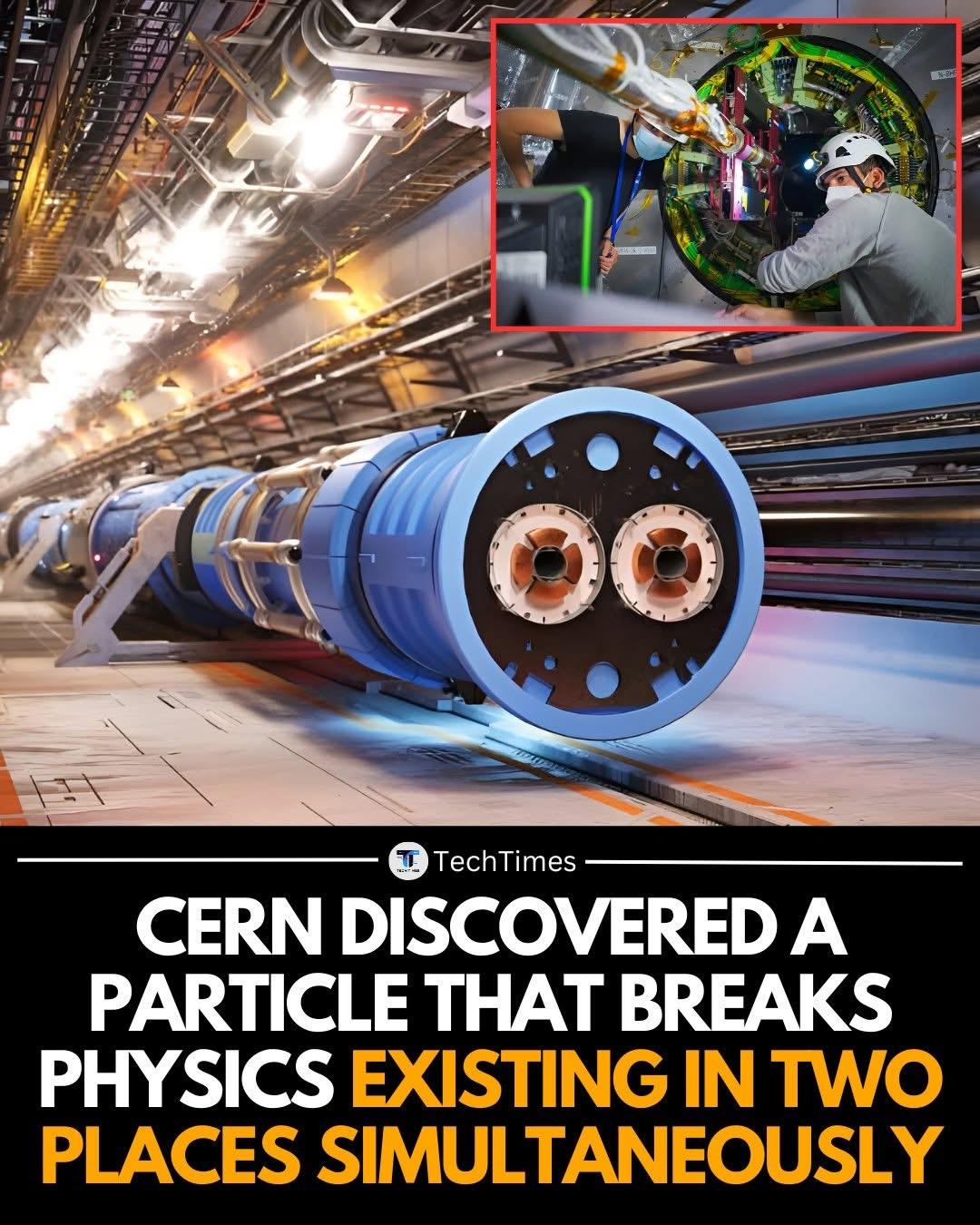
    Physicists at CERN’s Large Hadron Collider have observed what may be one of the strangest quantum events ever recorded — a new tetraquark particle that appeared to exist in two separate detector locations simultaneously. The discovery hints at a bridge between quantum mechanics and classical physics, shaking the foundations of modern science.

    Unlike protons and neutrons, which are made of three quarks, tetraquarks contain four, forming exotic states of matter rarely seen in nature. During experiments, researchers noticed something unprecedented: the same tetraquark seemed to register 1.4 meters apart at the exact same moment — suggesting quantum superposition on a much larger scale than previously thought possible.

    This finding challenges the long-held idea that superposition only applies to microscopic particles. If confirmed, it could revolutionize how we understand space, time, and causality — even paving the way for quantum computers that operate at room temperature and unhackable communication systems based on entangled states.

    The particle itself existed for only 10⁻²³ seconds, but in that brief instant, it may have rewritten the rules of reality. CERN’s follow-up experiments aim to verify whether this was a measurement anomaly or the first glimpse of a quantum-classical overlap — a discovery Einstein himself once thought impossible.

    #CERN #QuantumPhysics #Tetraquark #Superposition #QuantumMechanics #Scrolllink
    Physicists at CERN’s Large Hadron Collider have observed what may be one of the strangest quantum events ever recorded — a new tetraquark particle that appeared to exist in two separate detector locations simultaneously. The discovery hints at a bridge between quantum mechanics and classical physics, shaking the foundations of modern science. Unlike protons and neutrons, which are made of three quarks, tetraquarks contain four, forming exotic states of matter rarely seen in nature. During experiments, researchers noticed something unprecedented: the same tetraquark seemed to register 1.4 meters apart at the exact same moment — suggesting quantum superposition on a much larger scale than previously thought possible. This finding challenges the long-held idea that superposition only applies to microscopic particles. If confirmed, it could revolutionize how we understand space, time, and causality — even paving the way for quantum computers that operate at room temperature and unhackable communication systems based on entangled states. The particle itself existed for only 10⁻²³ seconds, but in that brief instant, it may have rewritten the rules of reality. CERN’s follow-up experiments aim to verify whether this was a measurement anomaly or the first glimpse of a quantum-classical overlap — a discovery Einstein himself once thought impossible. #CERN #QuantumPhysics #Tetraquark #Superposition #QuantumMechanics #Scrolllink

    Like
    Love
    3
    0 Σχόλια 0 Μοιράστηκε 1χλμ. Views 0 Προεπισκόπηση
    Παρακαλούμε συνδέσου στην Κοινότητά μας για να δηλώσεις τι σου αρέσει, να σχολιάσεις και να μοιραστείς με τους φίλους σου!
  • Life Unfold
    πρόσθεσε μια φωτογραφία
    2025-12-05 20:55:00 -
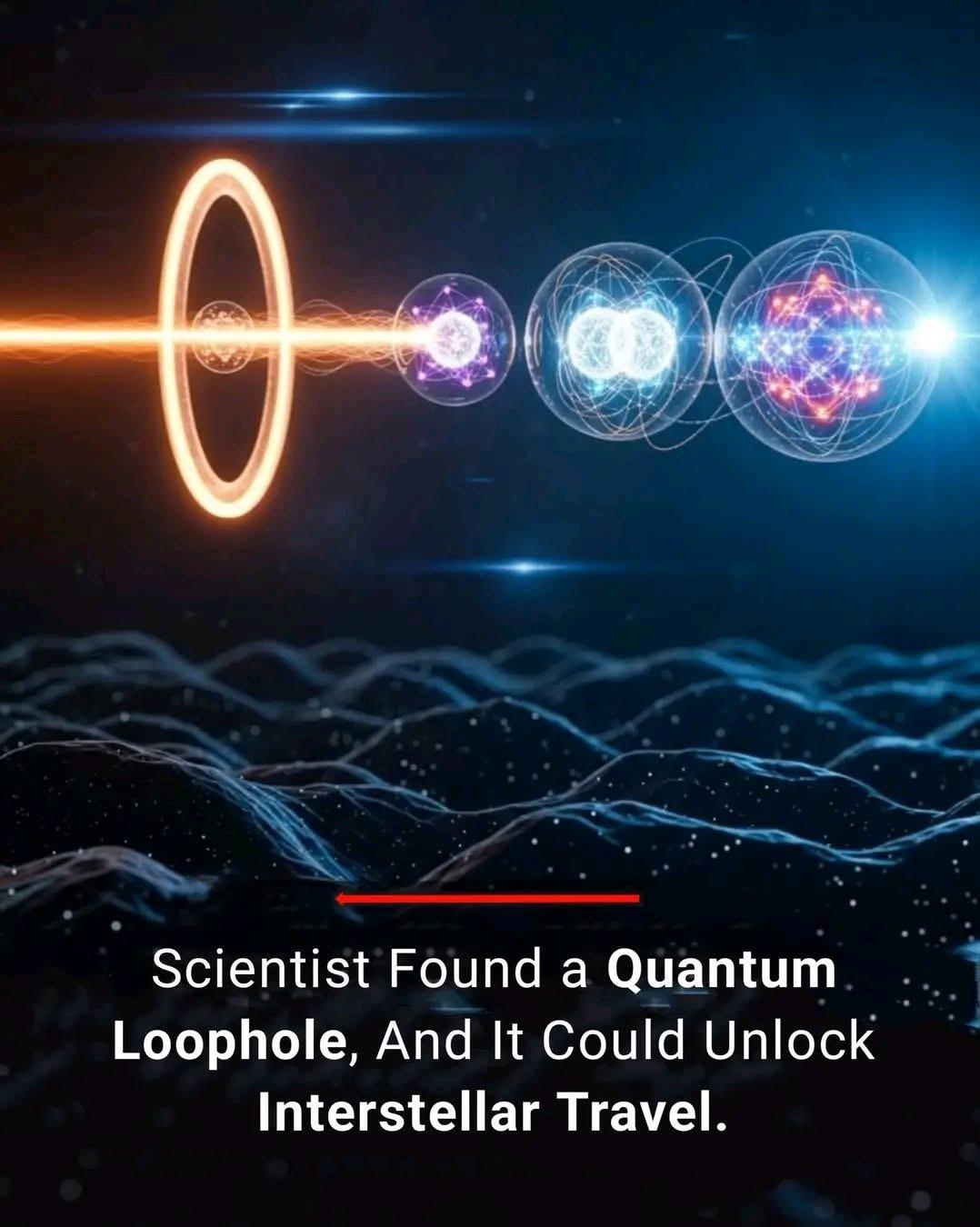
    Scientists may have just taken a giant leap toward interstellar navigation.

    How? By bending, but not breaking, the rules of quantum physics.

    In two groundbreaking studies, researchers developed new methods for dramatically improving atomic clocks, which are already accurate to within a second every 10 million years.

    These clocks are essential for GPS, scientific research, and, potentially, future space travel. But until now, their precision has been limited by quantum “noise” and Heisenberg’s Uncertainty Principle, which restricts how precisely certain atomic properties can be measured.

    The breakthroughs come from MIT and the University of Sydney. At MIT, physicists entangled ytterbium atoms with high-frequency laser light, doubling the precision of an ultra-stable optical atomic clock. Meanwhile, Australian researchers developed a technique that allows simultaneous measurement of both position and momentum—but only for tiny changes—effectively sidestepping quantum limits without violating them. This could revolutionize quantum sensing and allow for even more accurate timekeeping. Such advancements may someday support autonomous spacecraft navigation or unlock deeper understanding of dark matter, making these clocks not just tools of measurement, but keys to exploring the universe.

    Source: Wells, S. (2025, November 6). Scientists Just Discovered a Quantum Physics Loophole—And It Could Finally Unlock Interstellar Travel. Popular Mechanics.

    #QuantumComputing #quantumentanglement #quantumloop #Astronomy #quantumphysics #scrolllink
    Scientists may have just taken a giant leap toward interstellar navigation. How? By bending, but not breaking, the rules of quantum physics. In two groundbreaking studies, researchers developed new methods for dramatically improving atomic clocks, which are already accurate to within a second every 10 million years. These clocks are essential for GPS, scientific research, and, potentially, future space travel. But until now, their precision has been limited by quantum “noise” and Heisenberg’s Uncertainty Principle, which restricts how precisely certain atomic properties can be measured. The breakthroughs come from MIT and the University of Sydney. At MIT, physicists entangled ytterbium atoms with high-frequency laser light, doubling the precision of an ultra-stable optical atomic clock. Meanwhile, Australian researchers developed a technique that allows simultaneous measurement of both position and momentum—but only for tiny changes—effectively sidestepping quantum limits without violating them. This could revolutionize quantum sensing and allow for even more accurate timekeeping. Such advancements may someday support autonomous spacecraft navigation or unlock deeper understanding of dark matter, making these clocks not just tools of measurement, but keys to exploring the universe. Source: Wells, S. (2025, November 6). Scientists Just Discovered a Quantum Physics Loophole—And It Could Finally Unlock Interstellar Travel. Popular Mechanics. #QuantumComputing #quantumentanglement #quantumloop #Astronomy #quantumphysics #scrolllink
    wow
    Like
    Love
    4
    0 Σχόλια 0 Μοιράστηκε 937 Views 0 Προεπισκόπηση
    Παρακαλούμε συνδέσου στην Κοινότητά μας για να δηλώσεις τι σου αρέσει, να σχολιάσεις και να μοιραστείς με τους φίλους σου!
  • Shivakshi Nath added 12 Φωτογραφίες
    2025-11-12 19:14:45 -
    #quantumphysics #science #paradox #scrolllink
    #quantumphysics #science #paradox #scrolllink
    +8
    Like
    2
    0 Σχόλια 0 Μοιράστηκε 574 Views 0 Προεπισκόπηση
    Παρακαλούμε συνδέσου στην Κοινότητά μας για να δηλώσεις τι σου αρέσει, να σχολιάσεις και να μοιραστείς με τους φίλους σου!
  • Shivakshi Nath πρόσθεσε ένα αρχείο
    2025-10-11 12:42:04 -
    The Ghost weapon that started the world's first cyber war

    #cyberwar #war #weapon #science #physics #world #earth #saveearth #scrolllink
    The Ghost weapon that started the world's first cyber war 😯 #cyberwar #war #weapon #science #physics #world #earth #saveearth #scrolllink
    Like
    2
    0 Σχόλια 1 Μοιράστηκε 959 Views 0 Προεπισκόπηση
    Παρακαλούμε συνδέσου στην Κοινότητά μας για να δηλώσεις τι σου αρέσει, να σχολιάσεις και να μοιραστείς με τους φίλους σου!
  • Shivakshi Nath πρόσθεσε ένα αρχείο
    2025-10-11 12:39:12 -
    Amazing!

    #science #museum #knowledge #physics #universe #brahmand #scrolllink
    Amazing! #science #museum #knowledge #physics #universe #brahmand #scrolllink
    Like
    wow
    3
    0 Σχόλια 0 Μοιράστηκε 920 Views 0 Προεπισκόπηση
    Παρακαλούμε συνδέσου στην Κοινότητά μας για να δηλώσεις τι σου αρέσει, να σχολιάσεις και να μοιραστείς με τους φίλους σου!
  • Shivakshi Nath πρόσθεσε ένα αρχείο
    2025-10-10 19:16:15 -
    क्या इस दुनिया में कुछ भी ठोस नहीं है?

    #quantumphysics #physics #quantum #science #space #universe #brahmand #scrolllink
    क्या इस दुनिया में कुछ भी ठोस नहीं है? #quantumphysics #physics #quantum #science #space #universe #brahmand #scrolllink
    Like
    Love
    3
    0 Σχόλια 0 Μοιράστηκε 1χλμ. Views 0 Προεπισκόπηση
    Παρακαλούμε συνδέσου στην Κοινότητά μας για να δηλώσεις τι σου αρέσει, να σχολιάσεις και να μοιραστείς με τους φίλους σου!
© 2026 Scrolllink Greek
English Arabic French Spanish Portuguese Deutsch Turkish Dutch Hindi Italiano Russian Romaian Portuguese (Brazil) Greek
Σχετικά Όρους Ιδιωτικότητα Επικοινώνησε μαζί μας Κατάλογος